The Reality of Upper Mustang in 2026: Jeep or Boots?
In 2026, the better way to visit Upper Mustang depends entirely on your priority: Choose a Jeep Tour for efficiency and cost-savings, or choose a Trek for authentic immersion away from the new roads. With the landmark 2026 permit change—which replaced the flat fee with a flexible rate—a 5-day Jeep tour is now significantly cheaper than the traditional 12-day trek. However, for those seeking the “old” Mustang, trekking is only “better” if you take the Eastern Route to avoid the dusty 4WD tracks that now dominate the main valley.
Table of Contents
The Jeep Experience: It’s Not a “Lazy” Choice Anymore
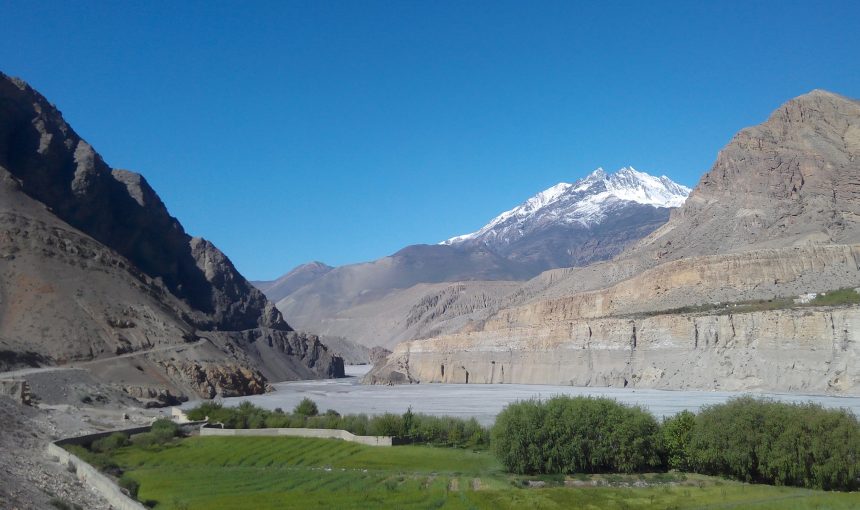
In 2026, taking a Jeep isn’t just for people who can’t hike; it’s a strategic move. The road from Jomsom to Lo Manthang is now a permanent fixture of the landscape.
When you’re in a 4WD, you’re essentially playing a game of “point-to-point” exploration. You skip the long, dusty stretches where the trekking trail and the road are now the same thing. Instead, you save your energy for the places that actually matter. You can spend an entire afternoon inside the Chhoser cave systems or sitting quietly in the thumping red halls of the Jampa Lhakhang without being exhausted from an 8-hour hike.
The Reality Check: It’s bumpy. Really bumpy. You aren’t cruising on asphalt; you’re bouncing over riverbeds and shale. By the time you reach Lo Manthang, your bones will feel it. But, because the permit rules now allow for a daily fee , a 5-day Jeep “dash” is the most budget-friendly way to see the Forbidden Kingdom we’ve ever seen.
The Trekking Experience: Finding the “Old Mustang”
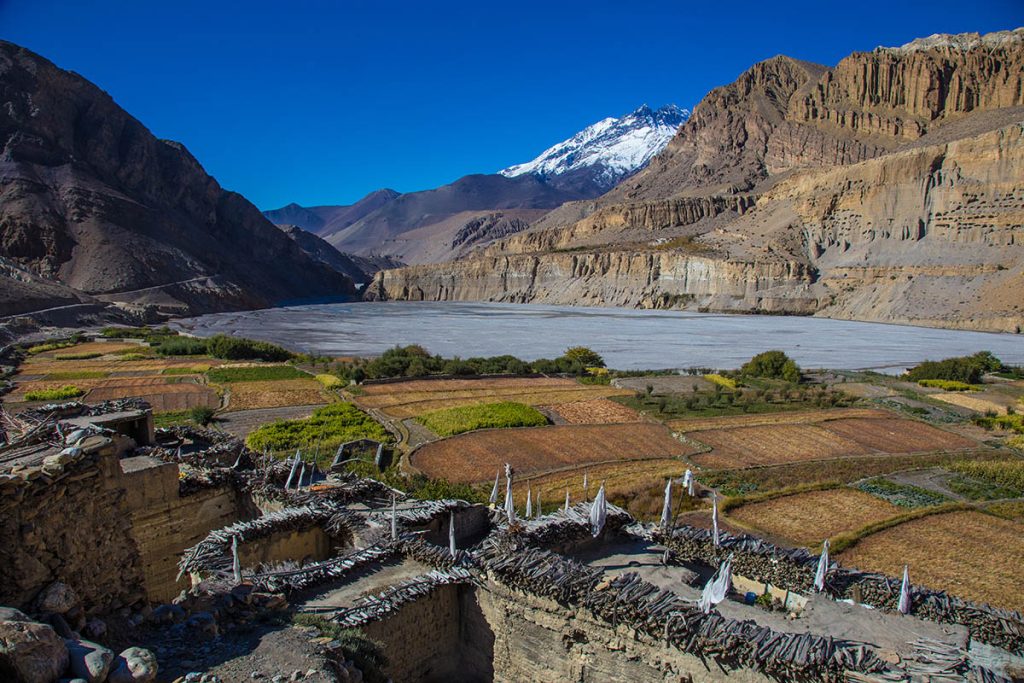
If you decide to trek in 2026, you have to be smart. If you just follow the old classic route, you’ll be walking on a dirt road with Jeeps blowing dust in your face. It’s miserable.
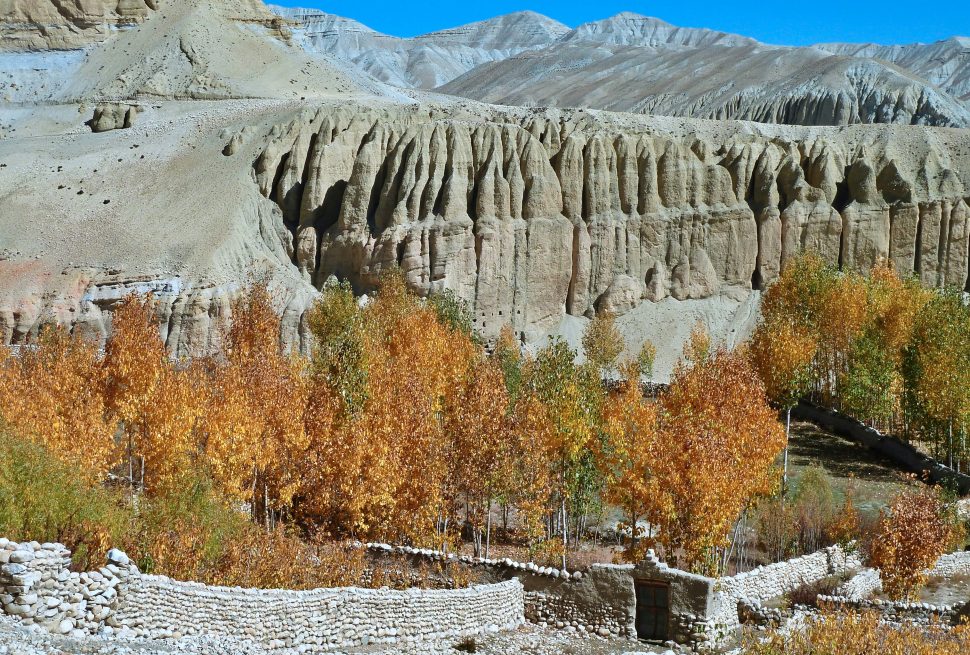
To make a trek “better” than a Jeep tour, you have to go East. You need to tell your guide you want the route through Yara and Ghara. This is where the magic still lives. You’ll find yourself walking through narrow canyons that look like Mars, crossing the Kali Gandaki on foot, and climbing up to Luri Gumba—a monastery built into a sandstone pillar that a Jeep couldn’t get near if it tried.
The Reality Check: The wind in Mustang is no joke. Every day at roughly 12:30 PM, the valley turns into a wind tunnel. If you are trekking, you’re walking right into it. It’s a test of mental grit. You’ll be covered in a fine layer of white silt by the time you reach your teahouse, but the silence of a Mustang night, away from the sound of engines, is something a Jeep traveler never gets.
The Cultural Vibe in 2026
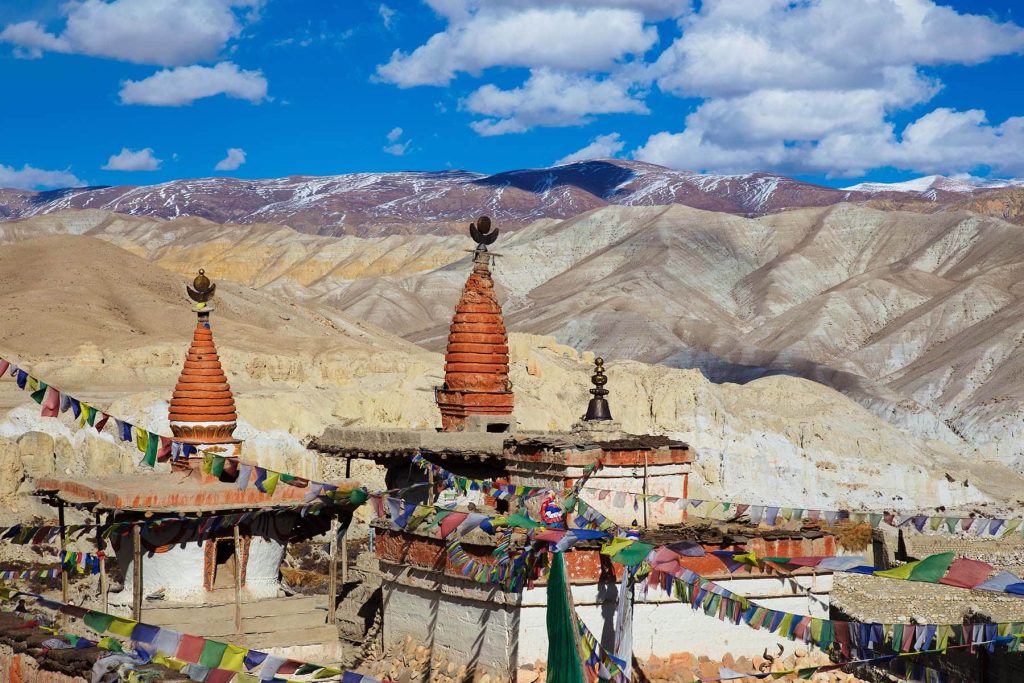
Whether you drive or walk, you’re heading toward Lo Manthang. In 2026, the town is a fascinating mix of ancient and modern. You’ll see monks in red robes checking their smartphones via Starlink, while goats are driven through the same stone gates they’ve used for centuries.
If you’re there in May for the Tiji Festival, the Jeep vs. Trek choice becomes even more vital. Jeep travelers can arrive fresh for the dances, while trekkers arrive with the “pilgrim” spirit, having earned their spot in the square.
Best Time to Visit
- Spring (March–May): Highlighting the Tiji Festival in May (ideal for both Jeep and Trek).
- Summer (June–August): Mention that Mustang is in a rain shadow, making it one of the few places in Nepal perfect for a summer trip.
- Autumn (September–November): The clearest skies and most stable weather.
A Day in the Life: The Jeep Explorer
The Vibe: Efficiency, adrenaline, and “The Grand Tour” energy.
- 7:00 AM – The Jomsom Awakening: You wake up to the sound of the Kali Gandaki river. Outside, your driver is already checking the tire pressure of the 4WD. The air is crisp, and the sun is just hitting the tip of Nilgiri.
- 9:00 AM – The High-Speed Ascent: You aren’t walking; you’re flying over riverbeds. The Jeep bounces through Chhusang and Chele. You stop for a “photo-op” at the iron bridge over the river—a place trekkers would take three hours to reach, but you’re there in 45 minutes.
- 1:00 PM – Lunch with a View: While trekkers are still battling the wind 10 miles back, you’re sitting in a lodge in Ghami, eating a hot bowl of Thukpa. You have the luxury of time, so you spend two hours wandering the longest Mani wall in Mustang, tracing the ancient carvings with your fingers.
- 4:00 PM – The Gates of the City: You roll into Lo Manthang as the sun begins to dip. You aren’t exhausted, so you immediately head to a local teashop. You spend the evening chatting with the shopkeeper about how the road has changed their life since 2025.
- The Sleep: You’re staying in one of the newer “luxury” lodges with a semi-consistent hot shower. You fall asleep thinking about the 50 kilometers of desert you covered in a single afternoon.
A Day in the Life: The Eastern Route Trekker
The Vibe: Silence, physical grit, and discovery.
- 6:30 AM – The Silent Start: You leave your lodge in Yara before the wind starts. The only sound is the crunch of your boots on the gravel. There are no engines here; the Jeep road is on the other side of the valley, invisible to you.
- 10:00 AM – The Hidden Gem: You reach Luri Gumba. Because you are on foot, you’ve taken the steep, narrow path to this 14th-century cave monastery. You sit in total darkness as a monk lights a butter lamp, revealing murals that haven’t changed in 600 years. You are the only traveler there.
- 12:30 PM – The Battle: The wind arrives. It’s a physical wall of air. You pull your buff over your face and lean into it. This is the “grind.” Your legs ache, and your water bottle is half-full of silt, but the scale of the red canyons around you is overwhelming. You feel tiny, and that’s the point.
- 3:00 PM – The Village Arrival: You walk into a village like Tangge. Because so few people trek this route now, the locals greet you with genuine curiosity. You sit on a wooden porch, drinking salt-butter tea that tastes like smoke and earth.
- The Sleep: You’re in a basic teahouse. There’s no Starlink here. You spend the evening by a yak-dung stove, writing in your journal by candlelight. You’ve only covered 12 kilometers today, but you feel like you’ve traveled back in time.
The 2026 Comparison at a Glance
| Feature | The Jeep Experience | The Eastern Trek Experience |
| Physical Toll | Sore back from bumps. | Sore legs from 15km climbs. |
| Social Aspect | Constant interaction with other travelers. | Long stretches of total solitude. |
| Photography | “Drive-by” beauty; easy to carry heavy gear. | Hard-earned, “golden hour” shots in remote spots. |
| The “Dust” | You watch it from behind glass. | You wear it like a second skin. |
Which is actually “Better”?
- Take the Jeep if: You want to see the “Postcard Mustang.” If you have 5 or 6 days, you can fly into Jomsom, grab a 4WD, hit the monasteries, see the Tibet border at Kora La, and be back in Pokhara for a steak dinner before the week is out. It’s efficient, and with the 2026 permit changes, it’s much easier on the wallet.
- Trek if: You are looking for a spiritual or physical challenge. But—and this is a big “but”—only trek if you take the off-road trails. There is no point in walking on a road. Trekking the eastern route to Tangge and Yara is one of the last true Himalayan adventures left.
FAQs
Can I visit Upper Mustang solo?
No. Even with the new daily permit rules, the “Minimum Group” rule remains strictly enforced. You must be at least two foreign travelers accompanied by a licensed Nepali guide. If you are traveling alone, most agencies can “pair” your permit application with another traveler to meet the requirement.
Which is better for the Tiji Festival: Jeep or Trek?
The Tiji Festival 2026 will take place from May 13th to May 15th.
The Jeep Tour is often better for the festival because it allows you to arrive in Lo Manthang fresh and energized for the three days of dancing and rituals.
The Trek is a beautiful journey, but remember that May is very windy; you will be trekking into heavy afternoon dust to reach the festival.
Is the trekking trail just a dusty road now?
If you follow the “Classic Route” on the west bank of the river, yes—you will be sharing the path with Jeeps and motorcycles. To have a “real” trek in 2026, you must take the Eastern Route through villages like Yara, Ghara, and Tangge. This side of the valley is largely inaccessible to vehicles and remains pristine.
Is there internet and electricity in Upper Mustang?
Yes. Most teahouses in Lo Manthang and Charang now have Starlink internet and solar or hydroelectric power. You can usually charge your devices and check emails for a small extra fee, though connection speeds can drop during the afternoon windstorms.
Do I need to worry about altitude sickness on a Jeep tour?
Actually, you need to be more careful in a Jeep. Because you can drive from Jomsom (2,700m) to Lo Manthang (3,800m) in a single day, your body has less time to adapt than if you were walking. It is highly recommended to spend an extra “acclimatization night” in a village like Syangboche or Ghami along the way.

Upper Mustang is a remote, desert-like trekking region in northern Nepal, bordering Tibet. It was once a forbidden kingdom (Lo)…