Introduction
Nepal is often called a “paradise for budget travelers,” and it’s true! If you are looking for the cheapest trek in Nepal, you’ll be happy to know it is one of the few places where you can walk among the highest mountains on earth without spending a fortune.
Unlike many other famous mountain ranges where you need expensive camping gear or luxury hotels, Nepal has a unique “teahouse” system. This means you can stay in small, family-run lodges and eat home-cooked meals for a very low price. However, finding the cheapest trek in Nepal requires knowing which routes avoid expensive flights and high permit fees.
However, it is important to know that the total amount you spend can change quickly. While some treks are very cheap, others can become expensive. The price usually depends on three main things:
- How you get there: Taking a local bus is very cheap, but booking a small mountain flight (like the one to Everest) adds a lot to the budget.
- The region: Some areas are “Restricted Zones” and require special, expensive permits.
- Your choices: If you want luxuries like hot showers, Wi-Fi every night, and Western food like pizza, your daily spending will go up.
In this blog, I will show you which treks are the most budget-friendly so you can enjoy the beauty of the Himalayas without worrying about your wallet.
Table of Contents
Top 5 Cheapest Treks in Nepal (2026 Guide)
1. Poon Hill Trek (4–5 Days)
This is the most famous budget trek in Nepal. It is short, beautiful, and starts very close to Pokhara.
- Why it’s cheap: You can take a local bus from Pokhara to the start of the trail for just a few dollars. Because the trek is short, you only need to pay for a few nights of food and stay.
- Highlights: Seeing the sunrise over the Annapurna mountains from the top of Poon Hill.
2. Langtang Valley Trek (7–8 Days)
If you want to see massive glaciers and high peaks without paying for a flight, Langtang is the best choice.
- Why it’s cheap: You can reach the starting point (Syabrubesi) by a local bus from Kathmandu. It is one of the closest mountain regions to the capital city.
- Highlights: Walking through a valley surrounded by 7,000-meter peaks and visiting the famous Kyanjin Gompa monastery.
-
Bus
-
Teahouse
-
3,870 meters,12,697 ft
-
Kathmandu
-
Autumn (September to November) and Spring (March to May) for clear skies and good weather.
-
Eco-Tour, Hiking
-
English, Spanish, French, Chinese
-
Easy to Moderate
-
2-15
-
5
-
85
-
1 - 10
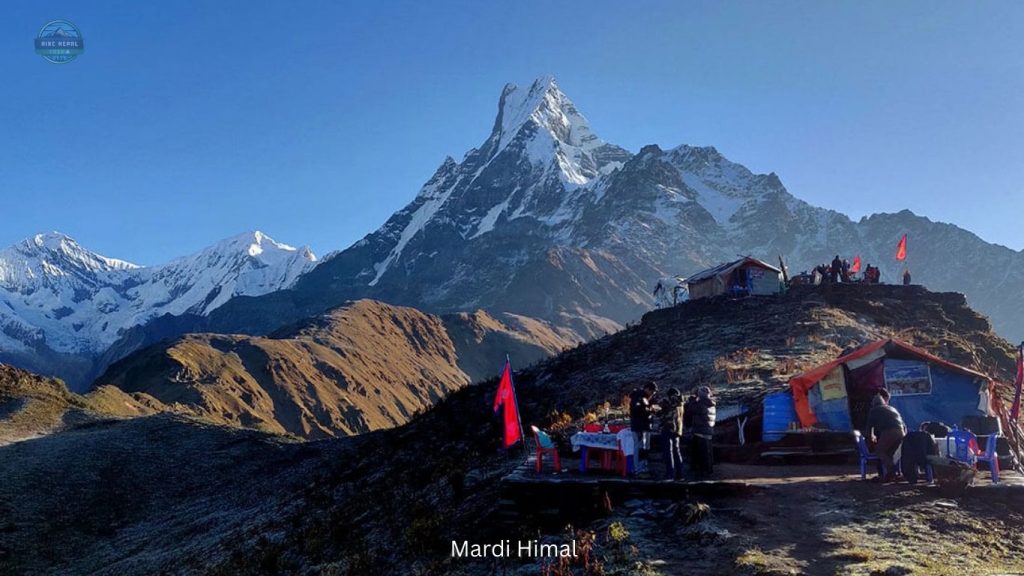
3. Mardi Himal Trek (5–6 Days)
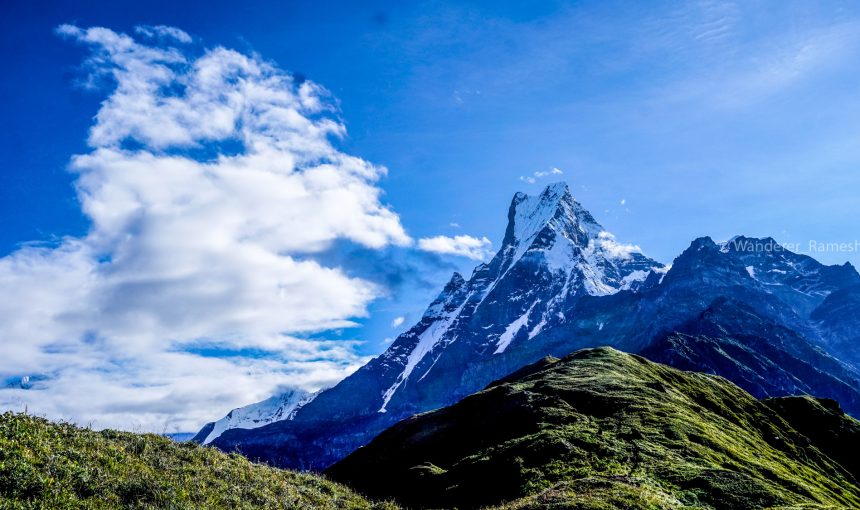
Mardi Himal has become very popular recently because it offers a “hidden trail” feeling for a very low price.
- Why it’s cheap: Like Poon Hill, it starts near Pokhara. The teahouses are basic but clean, and you don’t need any special, expensive equipment to finish it.
- Highlights: Standing right at the base of the iconic “Fishtail” mountain (Machhapuchhre).
4. Pikey Peak Trek (6–7 Days)
This is the best “budget secret” for seeing Mount Everest. Usually, seeing Everest is expensive, but Pikey Peak changes that.
- Why it’s cheap: You drive from Kathmandu to the start of the trail instead of flying to Lukla. This saves you hundreds of dollars right at the start.
- Highlights: Sir Edmund Hillary (the first man to climb Everest) once said the view from Pikey Peak was his favorite in all of Nepal.
5. Helambu Trek (5–6 Days)
Helambu is the perfect choice if you are short on time and want to experience authentic local culture very close to Kathmandu.
- Why it’s cheap: It actually starts within the Kathmandu Valley (at Sundarijal). You can literally take a city bus or a short taxi ride to the trailhead.
- Highlights: Walking through green forests and staying in traditional villages where the lifestyle hasn’t changed in years.
Comparison at a Glance
| Trek Name | Days | Best Way to Get There | Main Saving Tip |
| Poon Hill | 4-5 | Local Bus (from Pokhara) | Shortest duration saves on daily food. |
| Langtang | 7-8 | Local Bus (from Ktm) | No domestic flights needed. |
| Mardi Himal | 5-6 | Shared Jeep (from Pokhara) | Basic teahouses keep prices low. |
| Pikey Peak | 6-7 | Local Jeep (from Ktm) | Avoids the expensive Lukla flight. |
| Helambu | 5-6 | Local Bus (from Ktm) | Lowest transportation fees in Nepal. |
When budgeting for your trek, the “sticker price” isn’t the whole story. There are a few small but important fees that every trekker must pay, often called “Permit Fees.” Understanding these early will help you avoid surprises at the trail checkpoints.
1. Mandatory Permits
Most treks in Nepal require at least two types of paperwork:
- TIMS Card (Trekkers’ Information Management System): This is a safety card that helps the government track where you are. As of 2026, it costs about NPR 2,000 ($15–$17) for most foreign trekkers.
- Conservation Area Permits (ACAP or MCAP): If you trek in the Annapurna (ACAP) or Manaslu (MCAP) regions, you need a permit to enter the protected land. These usually cost around NPR 3,000 ($23–$25).
- Local Fees: Some regions, like Everest (Khumbu), have their own local municipality fees (about NPR 2,000–3,000) instead of the TIMS card.
2. Why a Guide Can Actually Save You Money
While a guide has a daily fee, many budget travelers find that hiring one actually lowers their total spending in the long run. Here’s why:
- Better Lodge Prices: Guides have long-standing relationships with teahouse owners. They can often negotiate a lower price for your room—sometimes even getting the room for free if you eat all your meals at that lodge.
- Avoiding “Tourist Prices”: In the mountains, menus are standard, but extra costs (like charging your phone, a hot shower, or boiled water) can be high. A guide knows where these things are cheapest or how to get them included in your stay.
- Smart Transportation: Instead of booking expensive private jeeps, a guide knows the exact timing and location for local “shared” jeeps and buses, which can save you $50–$100 on transportation alone.
- Safety = No Rescue Costs: The biggest hidden expense in Nepal is an emergency helicopter evacuation. A guide monitors your health and pace, helping you avoid altitude sickness and ensuring you don’t end up with a massive medical bill.
To truly help your readers save money, you should share the “insider secrets” that experienced backpackers use. These small daily choices can be the difference between a cheap trip and an expensive one.
Here are the top money-saving tips for trekking in Nepal in 2026:
1. Drink Filtered Water (Save $5–$10 Daily)
Buying bottled water in the mountains is not only bad for the environment, but it gets more expensive the higher you climb.
- The Secret: Bring a reusable bottle and use water purification tablets or a filter straw (like a LifeStraw).
- The Math: A bottle of water can cost up to NPR 350 ($2.50) at high altitudes. Refilling from a tap and using a tablet is essentially free. Over a 10-day trek, this saves you enough for a few extra nights of stay!
2. Take the Local Bus (Save $100+)
Private jeeps are comfortable, but they are the biggest “budget killer” before the trek even starts.
- The Secret: Go to the New Bus Park (Gongabu) in Kathmandu or the local stands in Pokhara.
- The Math: A local bus to the Langtang or Annapurna regions usually costs around NPR 1,000–1,300 ($8–$10). A private jeep for the same route can easily cost $150 or more. Even a “shared jeep” is a great middle-ground for budget travelers.
3. The Power of “Dal Bhat”
In Nepal, there is a famous saying: “Dal Bhat Power, 24 Hour!” It is the ultimate fuel for trekkers.
- The Secret: While menus have pizza and pasta, they are often expensive and small. Dal Bhat (lentil soup, rice, and curry) is usually the best value because it comes with free refills.
- The Math: You pay once (usually NPR 500–800 depending on altitude) and you can eat until you are completely full. It’s the only meal that guarantees you won’t go to bed hungry on a budget.
4. Rent Gear, Don’t Buy It
You don’t need to spend hundreds of dollars on a brand-new down jacket or sleeping bag that you might only use once.
- The Secret: In the Thamel (Kathmandu) or Lakeside (Pokhara) areas, you can rent high-quality trekking gear.
- The Math: You can rent a professional-grade sleeping bag or a heavy down jacket for just $1–$2 per day. This is much cheaper than buying new gear and then having to pay for extra luggage on your flight home.
Summary Table: How Much Can You Save?
| Expense | Tourist Choice | Budget Choice | Potential Saving |
| Water | Bottled Water | Filtered/Tablets | ~$60 per trek |
| Transport | Private Jeep | Local Bus | ~$130 per trip |
| Food | Western Dishes | Dal Bhat | ~$5–$10 per day |
| Gear | Buying New | Renting | ~$200+ |
Conclusion
Nepal is truly a place where you don’t need a huge bank account to have a world-class adventure. By choosing treks like Poon Hill or Langtang, taking the local bus, and enjoying a hearty plate of Dal Bhat, you can experience the magic of the Himalayas on a budget.
The most important thing to remember is that “cheap” doesn’t mean “less beautiful.” Some of the most affordable trails in Nepal offer the best views and the most authentic cultural experiences. So, pack your bags, grab your water purification tablets, and get ready for the journey of a lifetime!
FAQs
What is the absolute cheapest trek in Nepal?
The Poon Hill Trek is generally the cheapest. It is short (4-5 days) and starts near Pokhara, meaning you spend very little on transportation and daily supplies.
Can I trek in Nepal without a guide to save money?
As of 2023/2024, the Nepal government introduced rules requiring guides for most trekking regions for safety. While some areas like the Everest region (Khumbu) have allowed independent trekking in the past, it is always best to check the latest 2026 regulations. Even with a guide, trekking remains very affordable if you follow our money-saving tips.
How much should I budget per day?
For a budget trek, you should plan for about $30 – $50 per day. This covers your basic teahouse room, three meals (mostly local food), and water purification. This does not include permits or guide fees
When is the cheapest time to visit Nepal?
The “off-season” (winter from December–February and monsoon from June–August) is the cheapest time. Flights and city hotels often have lower prices. However, be prepared for cold weather or rain on the trails!
Do I need to buy expensive trekking gear?
No! You can rent high-quality down jackets and sleeping bags in Kathmandu (Thamel) or Pokhara for just $1–$3 per day. This is much cheaper than buying new gear.