Chitwan National Park is the beating heart of Nepal’s lowlands and a global symbol of successful wildlife preservation. Established in 1973 as the country’s first national park and later named a UNESCO World Heritage Site in 1984, this vast sanctuary covers over 950 square kilometers of subtropical jungle, ancient Sal forests, and towering elephant grass. It serves as a vital refuge for more than 700 species of wildlife, including the prehistoric one-horned rhinoceros and the elusive Royal Bengal Tiger. The park’s unique landscape is defined by the Narayani and Rapti river systems, which create lush floodplains and oxbow lakes like the famous Beeshazar Tal, a paradise for over 500 species of migratory and resident birds. While it was once a private hunting ground for royals, today it is a sanctuary where conservation and culture meet. As you explore, you will encounter the indigenous Tharu people, the “Guardians of the Forest,” whose traditional mud-and-thatch villages offer a window into a harmonious way of life. Whether you are tracking sloth bears through the brush or spotting gharial crocodiles from a hand-carved canoe, an ethical safari in Nepal within this park ensures that your visit supports both the community and the protection of these endangered giants. This Chitwan National Park Guide 2026 is designed to help you navigate this “Heart of the Jungle” with respect and wonder.
Table of Contents
An Ethical Safari in Nepal now prioritizes the preservation of the jungle over the convenience of the tourist. This new era focuses on:
- Rhino Conservation Leadership: Chitwan is now a global gold standard for anti-poaching. By choosing eco-friendly tours, travelers directly fund the forest rangers and community surveillance teams that have led to “Zero Poaching” years for the Greater One-horned Rhino.
- From Riding to Observing: The “Old” elephant rides are being replaced by “Elephant-Friendly” encounters, where guests observe these majestic creatures in their natural habitat or join them for riverside walks, ensuring no distress to the animals.
- Community-Owned Tourism: Sustainability here means the Tharu people—the traditional guardians of the forest—are now the primary stakeholders. Profits from your visit stay within the local villages, supporting schools and health clinics, which in turn incentivizes the community to protect the Royal Bengal Tiger rather than see it as a threat.
Eco-Chitwan 2026: The Best Way to See Wildlife Ethically
For a long time, visiting Chitwan meant riding on elephants and being in big crowds. But in 2026, things have changed for the better.
Welcome to the “New Eco-Chitwan.” Today, the focus is on protecting the animals, not just looking at them. Nepal is now a world leader in saving the One-horned Rhino, and the local Tharu people are the true guardians of the jungle.
When you choose an ethical safari in Nepal, you aren’t just a tourist—you are helping save the forest. Instead of riding elephants, we now walk beside them or track tigers on foot. It’s a deeper, kinder, and much more exciting way to experience the wild.
Beyond the Jeep: A Different Kind of Adventure
Going “Beyond the Jeep” means leaving the noise behind to truly hear the heartbeat of the jungle. In 2026, the most exciting way to explore is by moving slowly and quietly.
The Walking Safari: Footsteps in the Wild
Forget sitting behind a glass window. A walking safari in Chitwan is all about using your senses. You will walk through the tall grass with a professional naturalist who knows every sound and smell of the forest.
The real thrill? Tracking a Royal Bengal Tiger on foot. You’ll look for fresh paw prints in the mud and listen for the “alarm calls” of monkeys and deer—the jungle’s way of warning that a big cat is nearby. It is a heart-pounding experience that makes you feel part of the wild, not just a visitor.
Canoe Trips: Silent Water, Hidden Giants
On the water, the world slows down even more. You’ll slide down the Rapti River in a traditional canoe, hand-carved from a single tree trunk. Because there is no engine, you can float silently past animals without scaring them away.
Keep your eyes on the riverbanks! This is the best place to see the rare Gharial Crocodile, famous for its long, thin snout. You’ll also see colorful kingfishers diving for fish and perhaps a rhino coming down to the water for a morning drink. It is peaceful, beautiful, and completely natural.
Ethical Wildlife Spotting
In 2026, the standard for a great safari is simple: the animals must be as happy as the guests. The “New Eco-Chitwan” has moved away from old traditions to make sure wildlife stays wild.
The Elephant in the Room: A New Way to Connect
For a long time, the only way to see the jungle was from the back of an elephant. But today, top lodges like Tiger Tops and Barahi Jungle Lodge are leading a big change.
Instead of riding them, you now follow an “Elephant-Friendly” model. This means you can walk through the forest beside these gentle giants or watch them play and bathe in the river from a respectful distance. It is much more peaceful to see an elephant just “being an elephant” without any heavy saddles or loud crowds. It’s a connection built on respect, not a ride.
Meeting Nepal’s “Big 5”
You don’t need to go to Africa for a world-class safari. Nepal has its own “Big 5” that every traveler hopes to see in 2026. Keep your binoculars ready for:
- The One-horned Rhino: These prehistoric-looking giants are Chitwan’s greatest success story. You will often see them cooling off in the marshy grasslands.
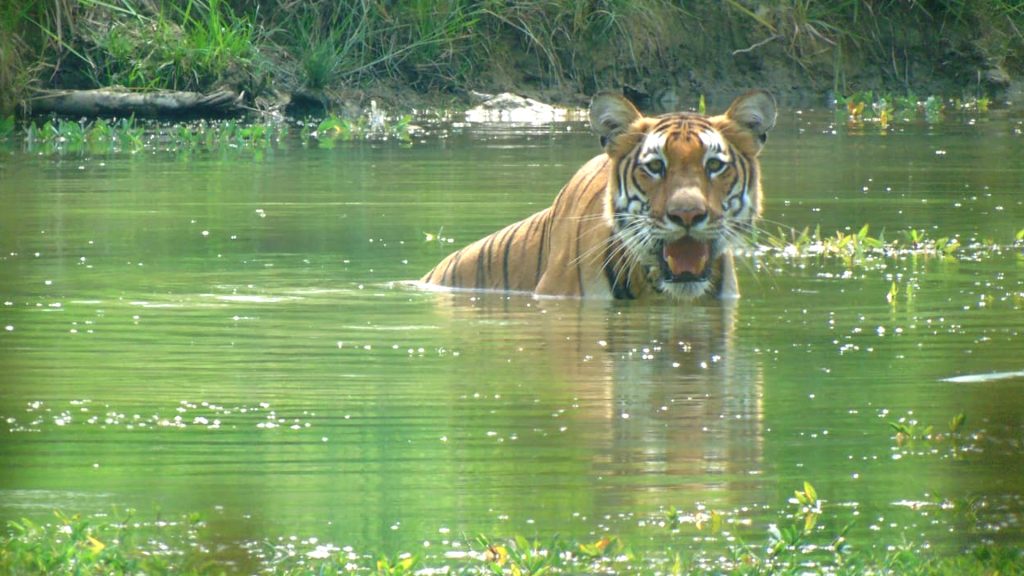
- The Royal Bengal Tiger: The “King of the Jungle.” Spotting those orange stripes moving through the tall grass is a moment you will never forget.
- The Sloth Bear: Shaggy and shy, these bears are often found near termite mounds or searching for sweet wild fruits.
- The Gharial Crocodile: With its long, thin snout, this rare crocodile is a sight to behold as it sunbathes on the sandy riverbanks.
- The Wild Elephant: While some elephants live near the lodges, the truly wild bulls roam deep in the park. Seeing a wild herd cross the river is pure magic.
By choosing these ethical tours, your investment goes directly into protecting these five amazing species for the future.
The Tharu People
Sustainability isn’t just about the forest and the animals; it’s about the people who have lived here for centuries. To truly understand Chitwan, you have to meet the Tharu people, the traditional “Guardians of the Jungle.”
A Walk Through History
When you visit a Tharu village, you step into a world of beautiful simplicity. Their homes are built using a traditional mud-and-thatch style, designed to stay cool in the summer and warm in the winter. You can see hand-painted art on the walls and learn about their fascinating “Honey Hunting” history—where brave locals once climbed high into the trees to collect wild honey.
Stay Like a Local: The Community Homestay
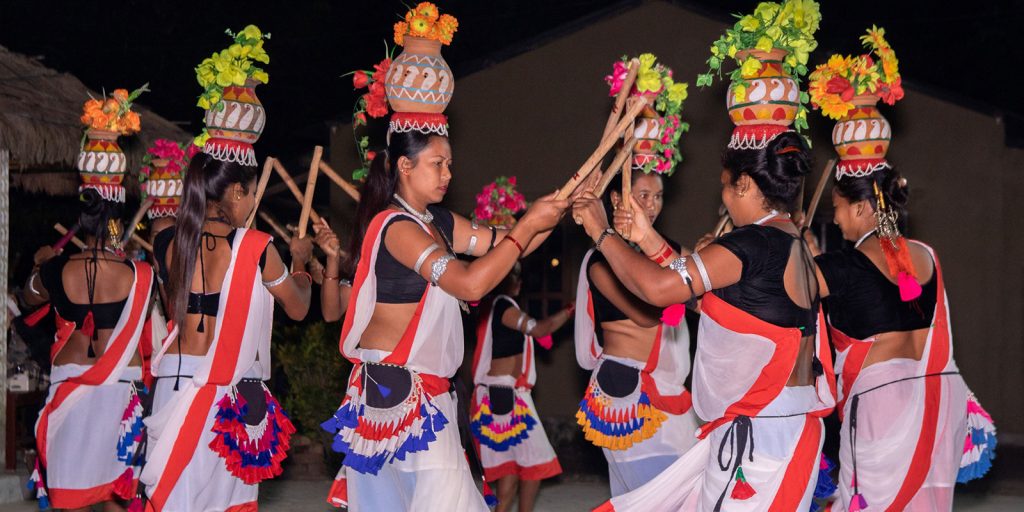
In 2026, the best way to experience this culture is by staying in a Tharu community homestay. Instead of a big hotel, you stay in a local home. You can join a family for a meal of Ghonghi (river snails) or fresh lentils and rice, and watch the famous Tharu Stick Dance in the evening.
Why Your Visit Matters
When you choose a village tour or a homestay, your investment goes directly into the hands of the local people. This is the heart of “Eco-Chitwan.” When a community benefits from tourism, they have a reason to protect the forest and its animals. By supporting the Tharu people, you are directly helping to stop poaching and keeping the jungle safe for the future.
Practical Chitwan National Park Guide 2026
To make your trip to the jungle as smooth as possible, here is some essential information for your Chitwan National Park Guide 2026.
Best Time to Visit
To get the most out of your safari, timing is everything. 2026 is expected to follow the classic weather patterns:
- March: This is the “Golden Month” for wildlife lovers. The tall elephant grass is cut back by locals, providing low grass and high visibility. It is the best time to spot tigers and rhinos clearly.
- October to December: After the monsoon rain, the air is fresh and the weather is cool and comfortable. It is a beautiful time for long jungle walks and river trips.
Entry Fees for 2026
To enter the park, every visitor must have a permit. In 2026, the government-set fees are roughly:
- Foreigners: 2,000 NPR per person, per day.
- SAARC Nationals: 1,000 NPR per person, per day.
- Nepalese: 150 NPR per person, per day.
Note: Please keep your permit with you at all times, as rangers may ask to see it during your safari.
Quick Tips for Travelers
- Go with a Guide: For your safety, it is mandatory to have a certified naturalist with you when entering the core zones of the park.
- Dress the Part: Wear “jungle colors” like green, brown, or sand. Avoid bright reds or whites, as they can startle the animals.
- Stay Hydrated: Bring a reusable water bottle. Most eco-lodges now offer filtered water stations to reduce plastic waste in the park.