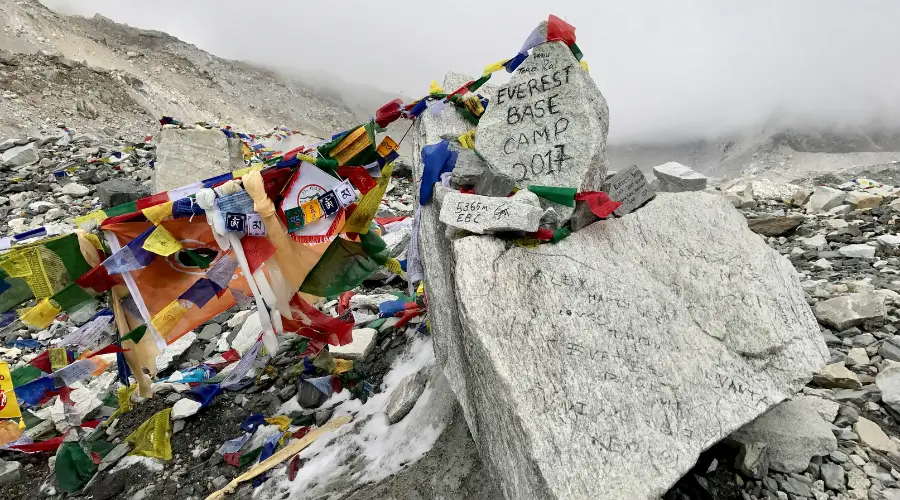
Reaching the foot of the world’s highest peak is a dream for many, but the logistical side of the Himalayas is changing faster than the mountain weather. If you are wondering how to plan Everest Base Camp 2026, you have likely realized that a standard packing list isn’t enough anymore. Between new flight patterns from Ramechhap and updated local permit requirements, successful trekking now requires a bit of “insider” strategy. In this guide, I’m skipping the generic advice you’ve read a dozen times and sharing the real, boots-on-the-ground secrets that will help you reach 5,364 meters feeling strong, prepared, and ready for the adventure of a lifetime.
Table of Contents
Why Planning for 2026 is Different
Most people think that if they are fit enough to run a marathon, they are fit enough for Everest. But here is a reality check: every year, nearly 50% of trekkers struggle to reach the base camp, and it’s rarely because of their fitness. They fail because they followed “generic” advice from old travel books or outdated blogs.
In 2026, the mountain is the same, but the rules of the game have changed. From new flight paths to stricter safety laws, the logistics are now just as important as your leg strength. If you show up with a plan from five years ago, you are going to run into surprises that drain your energy and your budget before you even see a mountain.
In this guide, I’m skipping the basics. You already know the scenery is beautiful and the air is thin—now let’s talk about the real logistics that actually determine whether you make it to the top or head back down early.
The Logistics Secret
If you have been reading blogs from a few years ago, they all say the same thing: “Wake up in Kathmandu, take a 30-minute flight to Lukla, and start walking.”
In 2026, that is almost never how it happens.
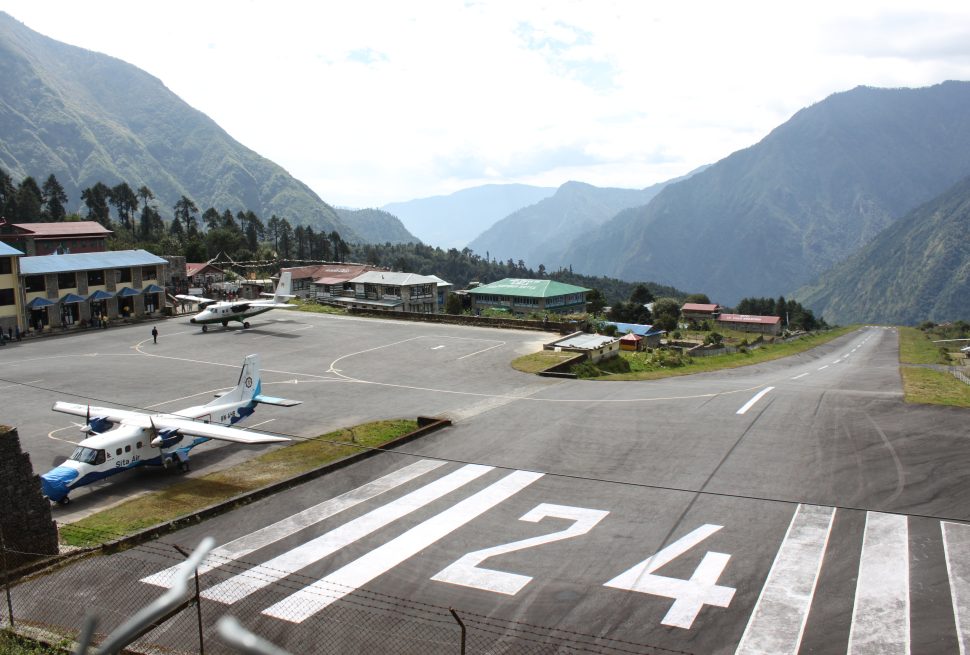
To reduce air traffic in Kathmandu, almost all flights to Lukla during the peak spring and autumn seasons now fly from Ramechhap (Manthali Airport). This is a tiny airstrip about 130km away from the city. It doesn’t sound like much, but because of the winding mountain roads, it’s a 4 to 5-hour drive.
The “2:00 AM” Reality
Since flights to Lukla need to take off as early as possible (before the mountain winds pick up), you will likely be picked up from your hotel in Kathmandu at 2:00 AM. You’ll spend the rest of the night driving through the dark to catch a 6:30 AM flight. It’s exhausting, and nobody really warns you about how much this drains your “Day 1” energy.
Skip the Bus, Hire a Private Jeep
Most budget travelers take the shared tourist bus. It’s cheaper, but it’s often crowded, bumpy, and stops many times.
If you want to actually reach Base Camp, you need to save your energy for the trail. I always recommend booking a private jeep instead. Here is why:
- Better Sleep: You can actually lean back and nap comfortably during the 5-hour drive.
- Speed: A jeep gets you there about an hour faster than the bus, meaning you aren’t rushing to the check-in counter.
- Flexibility: If you need a bathroom break or a quick coffee, you can stop. On the bus, you’re stuck.
It costs a little more, but starting your trek feeling rested instead of “bus-sick” is one of the best investments you can make for your success.
The Health Secret
When people talk about Everest, they usually focus on altitude sickness. But if you ask any experienced guide, they will tell you that dehydration is actually the bigger enemy. To stay safe at high altitudes, you need to drink 3 to 4 liters of water every single day.
Here is what nobody tells you: staying hydrated can be incredibly expensive.
The Plastic Bottle Trap
In Kathmandu, a bottle of water is cheap. But as you walk higher, the price climbs with you. By the time you reach Gorak Shep (the last stop before Base Camp), a single liter of bottled water can cost $3 to $4. If you are drinking 4 liters a day, you could easily spend $15 a day just on water. Over a 12-day trek, that is nearly $180 gone—just for hydration!
Beyond the money, the Everest region is facing a massive plastic waste crisis. Thousands of bottles are left behind every season, and since there are no garbage trucks on the mountain, this waste is often burned or buried, hurting the very nature you came to see.
The “Filter & Save” Strategy
Instead of buying plastic, bring a high-quality reusable bottle and a purification system.
I highly recommend a UV-filter bottle like a SteriPEN or a press-filter like the Grayl GeoPress.
- The SteriPEN: This uses UV light to kill 99.9% of bacteria and viruses in about 90 seconds. It’s tiny and fits in your pocket.
- The Grayl: This works like a French Press. You fill it with tap or stream water, press it down, and you have clean, filtered water instantly.
Why this is a “Secret” for success:
- Saves you $100+: The device pays for itself before you even reach the halfway point of the trek.
- Zero Waste: You aren’t leaving a trail of plastic behind you.
- Drink Anywhere: You don’t have to wait until you reach a teahouse to buy water. You can refill at any safe tap along the way.
It’s better for your wallet, better for your health, and much better for the mountains.
The Comfort Secret
In almost every itinerary (including mine!), we call Namche Bazaar a “Rest Day.” But if you want to plan like a pro for 2026, you shouldn’t just “rest.” You should treat Namche as your Strategic Base of Operations.
Namche is the last place on earth where you can find the comforts of the civilized world before the trail turns into a rugged, high-altitude wilderness. Once you leave this village, prices for everything double, and the quality of services drops.
“Final Gear Check”
Don’t wait until you are shivering at 4,000 meters to realize your gloves aren’t warm enough. Namche has high-quality gear shops (even an official North Face store). Use your afternoon here to check your kit. If you need an extra down layer, better socks, or a warmer hat, buy it here. It’s significantly cheaper than trying to find it in the tiny shops further up.
Get Your “Everest Link” Here
Everyone wants to post their photos and call home. While most teahouses sell Wi-Fi, it’s often slow and expensive.
- The Pro Tip: Buy an Everest Link Wi-Fi card right here in Namche.
- Why? Namche is one of the main sales stations. You can get a 10GB or 20GB package that lasts for 30 days.
- The Benefit: This card works in almost every village all the way up to Gorak Shep. Instead of paying $5–$10 every time you want an hour of Wi-Fi at a new lodge, you have your own data that “follows” you up the mountain. It’s the most reliable way to stay connected for the best price.
The “Last Chance” Comforts
- Laundry: This is the last reliable place to get a machine wash. Beyond Namche, people “hand wash” in cold water, and your clothes will never dry in the freezing air. Get everything cleaned here so you have fresh layers for the final push.
- Real Coffee & Bakeries: Enjoy that latte or chocolate croissant! Above Namche, “coffee” is usually just instant powder.
- ATMs: This is your final warning—Namche is the last place with reliable ATMs. Beyond this point, you are in a “cash only” world.
By using Namche to “upgrade” your gear, your connectivity, and your hygiene, you aren’t just resting—you are preparing your body and mind to actually enjoy the tougher days ahead.
The Tech Secret
You finally reach a beautiful viewpoint, pull out your phone to take a photo, and—click—it shuts off. Your battery was at 80% just a minute ago, but now it says 0%.
What happened? You just met the “Battery Vampire.”
In the extreme cold of the Himalayas, the chemical reactions inside your batteries slow down drastically. Your phone isn’t actually dead, but it’s “frozen.” To make matters worse, teahouses above 4,000 meters know this, and they charge anywhere from $5 to $10 per hour just to plug your device into a solar charger. If you aren’t careful, you could easily spend $60 to $80 on charging fees alone by the end of the trip.
“Sleeping Bag”
The best way to save your battery (and your money) is to keep your electronics warm using the only free heat source you have: your own body.
- During the Day: Keep your phone and spare camera batteries in an inside jacket pocket, specifically the one closest to your chest. Your body heat will keep the battery “active” and ready to use. Never leave your phone in your backpack’s outer pocket—the wind chill will kill it in minutes.
- During the Night: This is the secret nobody tells you. When you go to sleep, put your phone, camera batteries, and even your power bank inside your sleeping bag with you. I usually tuck mine into a clean sock and keep them near my feet or chest.
Why this saves you $20+ per lodge:
By keeping your devices warm overnight, they won’t lose their charge while you sleep. Most trekkers wake up to a dead phone and have to pay for a morning charge. If you use this trick, you’ll wake up with the same percentage you had when you went to bed.
Bonus Tip: Always keep your phone on Airplane Mode. Even if there is no signal, your phone will drain its soul trying to find a cell tower. Switching to Airplane Mode can make a single charge last 3 or 4 days instead of just one!
The Mental Secret
If you walk through a village in the Khumbu region, you will hear one phrase more than any other: “Bistari, Bistari.” In Nepali, this means “Slowly, slowly.”
Most trekkers arrive in Nepal with a “gym mindset.” They think the faster they hike, the fitter they are. But on the way to Everest, speed is actually your enemy. In 2026, the biggest reason people fail isn’t because they aren’t strong enough—it’s because they treated the trek like a fitness test instead of a patience test.
The “Nose-Only” Breathing Rule
How do you know if you are going too fast without a fancy heart-rate watch? Use your breath as your guide.
- The Tip: Try to breathe only through your nose while you walk.
- The Logic: If you find yourself gasping for air through your mouth, your heart rate is too high. This means your body is burning through oxygen faster than the thin mountain air can replace it.
- The Result: When you mouth-breathe, you dry out your throat (leading to the famous “Khumbu Cough”) and you stress your nervous system. By forcing yourself to breathe through your nose, you automatically lock yourself into a pace that allows your body to acclimate.
The Medical Necessity of Being “Lazy”
At 5,000 meters, your body is working incredibly hard just to keep your organs running. If you rush to the next teahouse in 3 hours instead of 5, you aren’t “winning”—you are draining the battery your body needs to survive the night at high altitude.
The secret “nobody tells you” is that the trekkers who reach the Base Camp rock with a smile on their face are usually the ones who were at the back of the group all day. They took photos, they sat by the river, and they arrived at the lodge last. They kept their heart rate low, and their bodies rewarded them for it.
The Golden Rule for 2026: If you feel like you are walking “too slow,” you are probably walking at the perfect pace.
2026 Permit Update
Government rules in the Himalayas can be a bit of a moving target. In 2026, the requirements have been streamlined, but they are strictly enforced at various checkpoints like Lukla and Monjo.
To reach Everest Base Camp, you currently need:
- Khumbu Pasang Lhamu Rural Municipality Permit: This is the local entry fee for the Everest region.
- Sagarmatha National Park Entry Permit: This is for the UNESCO protected area where the mountains actually live.
- Licensed Guide Mandate: As of 2026, the Nepal Tourism Board requires all foreign trekkers to be accompanied by a licensed guide for safety and environmental protection.
The Best Part? You don’t have to worry about any of this. When you trek with Hike Nepal Trek, we handle 100% of the permit logistics for you. We’ll collect your details, stand in the lines, and have everything ready before you even land in Lukla. You just focus on the hike; we’ll handle the red tape.
Your 2026 Adventure Starts Here
Planning a trip to Everest Base Camp is about more than just buying a flight—it’s about making the right choices before you leave home. By handling your logistics early, respecting the “Bistari” pace, and keeping your gear warm, you aren’t just a tourist; you’re a prepared adventurer.
The 2026 season is shaping up to be one of the best yet, with clearer trails and better connectivity than ever before. If you’re ready to stop dreaming and start walking, let’s make it happen.
Ready to see the roof of the world? [Contact Hike Nepal Trek Today] to grab your spot for the 2026 season and let us take care of the “secrets” while you enjoy the views.
FAQs
Is the trek “dangerous” for a normal person?
Not in terms of “climbing,” because there are no ropes or vertical walls. However, the altitude is a serious challenge. Most people who don’t finish the trek fail because they rushed. If you follow the “Bistari” (slow) pace we talked about, the success rate is very high.
What happens if my flight from Lukla is delayed by weather?
This is the most common stressor. In 2026, we always recommend having at least 2 buffer days at the end of your trip before your international flight home. If the planes can’t fly, we can often arrange a helicopter (for an extra fee) to get you back to Kathmandu in time for your flight.
Can I get by with just Ncell or NTC sim cards?
You can, but signal is “hit or miss” above 4,000 meters. For 2026, the most reliable way to stay connected is the Everest Link Wi-Fi card we mentioned in the Namche section. It’s a dedicated mountain network that works much better than cellular data in the high valleys.