

Information about Everest Three High Pass Trek
The Everest Three High Passes Trek is the ultimate alpine adventure, offering an unparalleled, in-depth exploration of the historic Khumbu region. This legendary circuit crosses three formidable high-altitude passes: Renjo La (5,465 m), Cho La (5,420 m), and Kongma La (5,535 m). As one of Nepal’s most demanding wilderness routes, it requires exceptional physical fitness, a resilient mindset, and the endurance to navigate strenuous ascents during trekking days that can span up to nine hours.

Starting and ending at the iconic airstrip of Lukla, the circuit can be tailored in either a clockwise or counterclockwise direction—both delivering an equally thrilling terrain and awe-inspiring panoramic vistas. More than just a crossing of passes, this comprehensive itinerary seamlessly integrates the region’s crown jewels, including Everest Base Camp, the viewpoint of Kala Patthar, the pristine Gokyo Lakes, and the cultural heart of Namche Bazaar.
For trekkers seeking the definitive Himalayan challenge, the Everest Three Passes Trek delivers a thrilling, full-circuit journey through the heart of the Khumbu. Instead of following the standard out-and-back trail to Base Camp, this adventurous loop links the region’s most spectacular valleys by crossing three dramatic high-altitude cols: Kongma La (5,535 m), Cho La (5,420 m), and Renjo La (5,360 m). Along the way, you gain panoramic views of four 8,000 meter giants—Everest, Lhotse, Makalu, and Cho Oyu—while exploring famous highlights like the Gokyo Lakes, Ngozumpa Glacier, and Kala Patthar. Traversing both popular trails and peaceful, off-the-beaten-path Sherpa villages, it demands high physical fitness and careful acclimatization, but rewards hikers with an incomparably rich, raw, and complete Everest experience.
Everest Three High Pass Trek
The Everest Three Passes Trek stands as the definitive pinnacle of high-altitude trekking in Nepal. Designed for seasoned adventurers, Everest Base Camp Trek this route weaves together the legendary trails of the Khumbu with three spectacular mountain passes, demanding excellent physical conditioning and a true spirit of adventure.
The Everest Base Camp with Three High Passes Trek is an adrenaline-fueled adventure designed for those seeking a challenging, mini-mountaineering experience. It takes trekkers across three strenuous yet stunning high passes—Chola, Renjola, and Kongma La—reaching altitudes well over 5,000 meters. Along this demanding route, adventurers will also have the rare opportunity to explore the world-renowned Ngozumpa and Khumbu glaciers.
Acting as a complete Khumbu Circuit, the trail traverses deeply into the upper regions of Nepal to showcase both hidden natural beauty and rich local culture. Trekkers will visit authentic Sherpa villages, including Thame, which is famous for being home to numerous historic Everest summiteers. This journey ultimately provides a unique window into the mountaineering lifestyle, allowing visitors to hear untold stories of high-altitude expeditions directly from the locals.
Iconic Pass Highlights
- Renjo La Pass (5,465 m): Renowned for offering a panoramic sweep of Mount Everest that many argue surpasses the view from Kala Patthar, complemented by striking vistas of the turquoise Gokyo Lakes.
- Cho La Pass (5,420 m): Nestled dramatically between Lobuche (6,135 m) and Cholatse (6,443 m), this pass challenges trekkers with a steep, icy ascent, rewarding them with unparalleled angles of Ama Dablam.
- Kongma La Pass (5,535 m): The highest and most rugged of the three, presenting a technical traverse over loose scree and glacial moraines, opening up to overwhelming views of Lhotse and Makalu.
Highlights
- Conquer Three Formidable Alpine Passes: Navigate the high-altitude challenges of Renjo La (5,465 m), Cho La (5,420 m), and Kongma La (5,535 m), each rewarding your grit with distinctive, sweeping Himalayan panoramas.
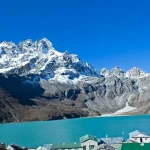
- Discover the Pristine Gokyo Valley: Explore Nepal's highest freshwater system, where a network of vibrant, turquoise glacial lakes sits nestled beneath dramatic towering peaks.
- Immerse in Authentic Sherpa Heritage: Journey through ancient high-altitude villages, gaining a deep, authentic insight into the rich cultural traditions, spirituality, and legendary hospitality of the native Sherpa communities.
- Stand at the Ultimate Everest Vantage Point: Ascend to the summit of Kala Patthar (5,545 m) for an unrivaled, face-to-face panoramic view of Mount Everest, Lhotse, and Nuptse at sunrise.
Outline Itinerary of Everest Three High Pass Trek
The Everest Three High Passes Trek is a masterfully crafted 17 days alpine circuit that begins and ends with a thrilling flight to the mountain airstrip of Lukla. The journey commences with a steady ascent through the bustling hub of Namche Bazaar and the serene valleys of the Khumbu, allowing for essential acclimatization before venturing off the classic tourist trails. Moving counterclockwise, you will first conquer the formidable Kongma La Pass (5,535 m), which leads directly to the historic grounds of Everest Base Camp and the iconic sunrise viewpoint of Kala Patthar (5,545 m). From there, the route crosses the rugged Khumbu Glacier to tackle the icy, exhilarating terrain of the Cho La Pass (5,420 m), dropping you into the breathtaking Gokyo Valley to marvel at its pristine, turquoise glacial lakes. Finally, you will surmount the third and final hurdle, the spectacular Renjo La Pass (5,465 m)—famed for offering an unrivaled panoramic sweep of Mount Everest—before descending through remote, traditional Sherpa villages to complete this ultimate Himalayan loop.
Upon your arrival at the airport, a representative from our team will warmly welcome you and arrange your private transfer to the hotel. Once you have settled in, we will conduct a comprehensive pre-trip briefing to review your itinerary, gear checklist, and safety protocols for the adventure ahead. The remainder of the day is yours to enjoy at your own pace—whether you choose to explore the vibrant local area, adjust to the time zone, or rest in preparation for tomorrow's early morning flight.
Your journey begins with a spectacular, early-morning mountain flight to Lukla, offering a bird’s-eye introduction to the Himalayas as you land at one of the world's most dramatic high-altitude airports. Upon arrival, you will meet your expert local support crew and prepare for the initial leg of your trek. The trail leads you through the heart of the Khumbu, passing ancient monasteries and crossing iconic suspension bridges that span the rushing Dudh Koshi River. We conclude our first day of trekking with an easy, three-hour descent into the charming village of Phakding.
Following a hearty breakfast, we begin our journey toward the legendary alpine hub of Namche Bazaar. The trail presents an engaging mix of gentle ascents and descents, tracing the banks of the Dudh Koshi River before reaching the official checkpoint of Sagarmatha National Park—a UNESCO World Heritage Site. From here, we cross spectacular, high-slung suspension bridges draped in prayer flags and ascend through fragrant pine and rhododendron forests. We conclude the day in the vibrant amphitheater of Namche Bazaar, the cultural and commercial capital of the Khumbu, where you can experience the bustling energy of a historic mountain town shared by international mountaineers, trekkers, and local Sherpas.
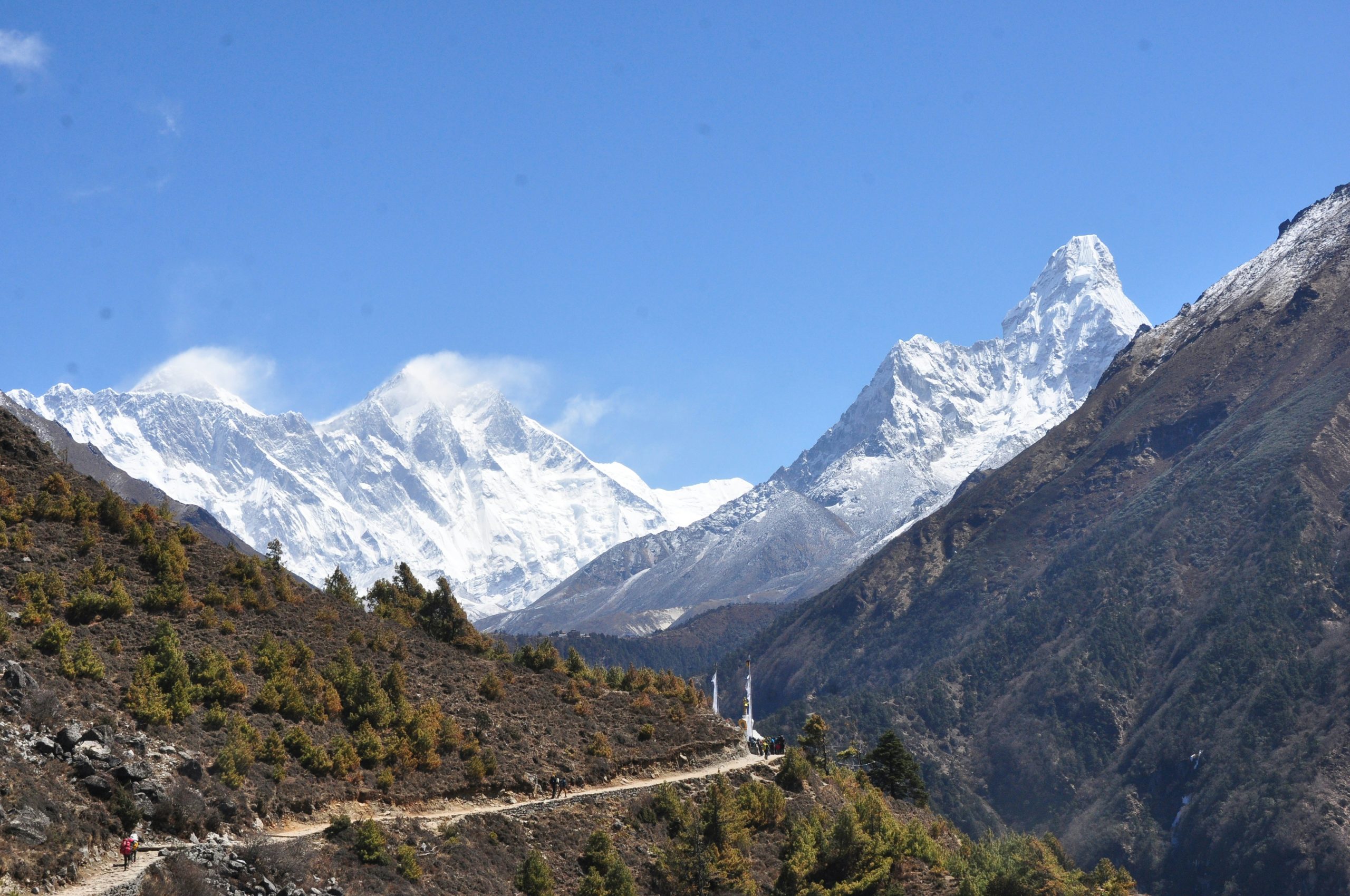
To ensure a safe and successful journey, today is dedicated to essential high-altitude acclimatization. The golden rule of high-altitude training is to "climb high, sleep low," so we will embark on an active day hike rather than remaining sedentary. We will ascend to the world-renowned Hotel Everest View for a morning coffee accompanied by a breathtaking, unobstructed panorama of Mount Everest, Lhotse, and Ama Dablam. From there, we can extend our walk to the traditional valley village of Khumjung. Here, you will visit the Khunde Hospital and Khumjung School—both established in the 1960s by Sir Edmund Hillary’s Himalayan Trust. We will also explore the historic Khumjung Monastery; though meticulously restored after the 2015 earthquake, it remains the spiritual heart of the local Sherpa community and houses a fascinating, revered relic believed to be a Yeti scalp. Before retiring to your lodge, you will have the afternoon to explore Namche’s vibrant markets and stock up on essential snacks or gear, as this marks your final major shopping opportunity on the circuit.
Today’s journey takes us to the spiritual heart of the Khumbu region: Tengboche. The trail begins with spectacular ridge walks before descending to Phunki Thenga by the river. From there, we begin a rewarding ascent through alpine woodlands that eventually give way to rugged high-altitude landscapes. The path is richly punctuated with Buddhist architecture, including beautifully carved prayer walls and sacred stupas. Upon reaching the ridge top, you will be greeted by Tengboche Monastery and some of the most iconic, unobstructed views of Mount Everest and Lhotse on Earth. In the evening, guests are welcome to attend the soul-stirring prayer ceremonies alongside the local monks, adding a profound cultural layer to this unforgettable day.
Today’s trek features a noticeable transition into the high alpine zone, where trees disappear and give way to raw, exposed mountain vistas. The route traces the contours of the Imja Valley, offering exceptional, close-up perspectives of Ama Dablam. After crossing the Imja Khola (river) bridge, we complete a steady climb up to the sub-alpine plateau of Dingboche. This charming village is uniquely structured with intricate stone-walled pastures designed by local farmers to shield their high-altitude crops from harsh weather and livestock. Dingboche boasts an excellent selection of comfortable lodges, making it the perfect base for our upcoming acclimatization phase.
Today features a mandatory active acclimatization schedule designed to optimize your performance and safety for the high passes ahead. We will embark on a scenic acclimatization excursion up Nagarjun Hill (5,100 m), which takes approximately 4 to 5 hours of steady trekking. Reaching the ridge crest reveals one of the most comprehensive mountain panoramas in the Khumbu, showcasing spectacular close-ups of Ama Dablam, Thamserku, and the challenging ridges of Lobuche East and West. This excursion offers invaluable altitude exposure before we descend back to the comfort of our Dingboche lodge for a restful evening.
Expect a strenuous yet unforgettable day of high-alpine trekking as we tackle the first of the Three Passes. Departing early, we follow a rugged trail that climbs out of the valley up to Thukla and onward to the Everest Memorials at Thukla Pass—a profoundly moving site framed by a breathtaking backdrop of peaks along the Nepal-Tibet border. We then enter the true high-altitude wilderness to cross Kongma La Pass (5,535 m). The thin air makes this a rigorous physical challenge, but the summit provides unparalleled views of the Nuptse Wall, Makalu, and the surrounding massifs. Your expert guide will be on hand to point out the iconic geography as we complete the traverse across the glacier into the settlement of Lobuche.
Today's route moves deeper into the ultimate high-altitude arena. We follow a rugged, undulating path along the glacier rim for approximately three hours until we reach the seasonal settlement of Gorak Shep. After checking in and refueling with a warm lunch, we set off toward Kala Patthar, renowned as the definitive Everest viewpoint. For trekkers seeking the ultimate photographic angle, Kala Patthar provides an unobstructed, close-up perspective of Mt. Everest that surpasses the views from Base Camp itself. The sight of the world's highest peak dominating the horizon from this summit is an unforgettable experience. We will capture the magnificent mountain vistas before returning to Gorak Shep to spend the night.
Today features the definitive milestone of the trek: Everest Base Camp (5,364 m). An early morning start guides us along the rugged lateral moraines of the Khumbu Glacier. Upon arrival, you will witness the historic epic center of high-altitude mountaineering. While trekking groups operate just outside the official expedition perimeter to ensure the safety and focus of the climbers, you will have a clear view of the iconic tent city resting at the foot of the notorious Khumbu Icefall. After absorbing the magnitude of this historic site, we return to Gorak Shep for a warm breakfast before trekking onward to Dzongla. This afternoon walk offers stunning, shifting perspectives of Cholatse and Ama Dablam as we settle into our lodge for the evening.
We begin with an early alpine start to conquer our second major hurdle: the legendary Cho La Pass. The day initiates with a gentle trail before shifting into a steady, rigorous ascent. As you climb, the panoramas of Ama Dablam, sprawling river valleys, and hanging glaciers are at their absolute peak. Navigating a stretch of loose scree and boulder fields requires careful footwork until you reach the edge of the solid ice sheet. Here, traction gear such as microspikes or crampons—which our team assists you in securing prior to departing Kathmandu—is required to safely traverse the glacier. Nearing the summit, the dazzling turquoise waters of the remote Gokyo Lakes re-emerge in the distance. After celebrating at the prayer-flag-draped crest at 5,420 meters and capturing spectacular photographs, we descend to the hamlet of Thagnak for a well-deserved lunch. The day concludes with an unforgettable crossing of the Ngozumpa Glacier—the longest glacier in the Himalayas—before settling into our lakeside lodge in Gokyo.
Today is dedicated to active recovery and altitude adaptation amidst the highest freshwater lake system in the world. Rather than remaining static, we utilize this acclimatization day to explore the natural wonders of the Gokyo Valley. Guests can hike along the edge of the massive Ngozumpa Glacier or embark on an excursion to the upper lakes, which offer rare, crowd-free perspectives of Cho Oyu—the world's sixth-highest peak. This lighter schedule allows your body to adapt beautifully to the altitude while soaking in one of Nepal’s most exclusive alpine landscapes.
Today features the grand finale of our high-altitude passes. Leaving Gokyo at dawn, we follow a stone-stair trail that loops past the edge of the lake and climbs steadily into a rugged, high-alpine corridor. The ascent culminates at the fluttering prayer flags of the Renjo La Pass, where you are rewarded with a legendary, unobstructed viewpoint of Mt. Everest, Lhotse, and Cholatse. From this high vintage point, the entire Gokyo lake system and the sweeping Ngozumpa Glacier are laid out in breathtaking detail. Our descent leads us past the untouched alpine waters of Relama Tsho and Renjo Lake, dropping down into the tranquil Bhote Koshi Valley to overnight in the traditional settlement of Marlung.
Today’s journey brings us back toward the heart of the Khumbu region. We begin our descent into the culturally rich village of Thame, a legendary home to many famous Everest summiters. Here, you can admire the historic Thame Monastery perched dramatically on the cliffs above the settlement. After tracing the trail across the Bhote Koshi River and navigating scenic suspension bridges, we follow a well-maintained path that gradually descends through alpine pine forests. The trek wraps up with a comfortable walk back into Namche Bazaar, where you can enjoy a hot shower, celebrate your three-pass achievement at a local bakery, and catch up on modern amenities.
After breakfast, we hit the trail for our concluding trek back to Lukla. The route traces the banks of the Dudh Koshi River, crossing iconic suspension bridges and passing through familiar mountain landscapes. This steady walk offers a wonderful opportunity to reflect on your high-altitude achievements over the past two weeks. Upon arriving in Lukla, we check into our lodge for a well-deserved rest. Tonight features a farewell dinner with your local crew, serving as a memorable conclusion to your wilderness adventure before tomorrow's morning flight back to the capital.
Today features another spectacular mountain flight as we wave goodbye to the Khumbu region and soar over the verdant hills surrounding the Kathmandu Valley. On arrival, we will arrange your private escort back to your hotel for check-in. To help you maximize your final afternoon in the capital, our team will provide expert recommendations on local attractions, hidden cafes, and historical landmarks. Enjoy the rest of your day exploring or relaxing at your own pace.
Today, we will arrange a seamless transfer from your hotel to the airport for your onward journey. If your travel plans extend past today, we would be delighted to assist you in designing your next adventure. From jungle safaris in Chitwan to cultural exploration in Pokhara, our team offers a wide range of tailor-made packages to help you discover more of Nepal.
Services included in the Price:-
- Kathmandu airport Pickup by Private Vehicle.
- Kathmandu 02 Nights Hotel (Before and After the Trek).
- Kathmandu Domestic Airport Drop off and Pickup by Private car.
- Kathmandu to Lukla to Kathmandu flight Tickets.
- Sagarmatha National Park Entry Permit and Local Entry Permits.
- Government Licence Holder Profesional and Experienced English Speaking Trekkking Guide.
- All Accommodation During the Trekking (Normal Guest Houses).
- All Insurance, Accommodation, Transportation and Meals for Staffs and Guide.
- All Our Company Service Charges and Government Taxes.
- Final airport transfer by Private Vehicle.
Services Excluded in the price:-
- International Airfare and Visa Charges.
- Travel Insurance along with high altitude emergency evacuation coverage.
- All Beverage Items like Mineral Water, Coke, Beer, Whiskey, Wine, Tea, Coffee etc.
- All the Laundry Items, Telephone Charges, Battrey charge, Hot Shower in Mountain.
- All Meals (Except Breakfast in Kathmandu).
- Personal Trekking Gears and equipments.
- Tips for Guide, Porters and Driver.
- All your personal expenses which is not mention in Cost Include section.
Frequently Asked Questions
FAQS
To ensure a safe and visually spectacular journey, the Everest Three Passes Trek is best undertaken during the Spring (March to May) and Autumn (September to November) windows. These premier trekking seasons deliver stable weather patterns, crisp air, and maximum alpine visibility—factors that are absolutely vital when navigating the challenging terrain of the region's high-altitude crossings: Kongma La (5,535 m), Cho La (5,420 m), and Renjo La (5,360 m). Conversely, the winter months introduce extreme sub-zero temperatures and heavy snow blockages, while the summer monsoon season brings heavy rainfall, making the rugged trails slick and unpredictable.
A standard, safely paced itinerary for the full Everest Three Passes Trek typically takes 17 to 20 days, starting and ending in Kathmandu.
This duration is meticulously structured to ensure a safe and successful journey. It includes the mandatory flight days to and from Lukla, as well as multiple strategic acclimatization days in key settlements like Namche Bazaar, Dingboche, and Gokyo. Because you will be crossing three demanding high-altitude passes—all exceeding 5,300 meters—maintaining a steady, deliberate pace is essential for proper altitude adaptation. While the core trekking portion spans roughly 15 to 16 days on the trail, we always recommend building a couple of buffer days into your travel schedule to account for potential weather-related flight delays in Lukla.
- Departure Hub: Depending on the season of your trek, flights to Lukla (Tenzing-Hillary Airport) operate from two different airports:
- Peak Trekking Seasons (Spring & Autumn): To minimize heavy air traffic congestion in the capital, most scheduled commercial flights to Lukla operate directly out of Manthali Airport in Ramechhap. Ramechhap is located approximately a 4-to-5-hour drive east of Kathmandu, and our agency provides private transport transfers to ensure a seamless connection for your flight.
- Off-Peak Seasons (Winter & Summer/Monsoon): During lower-traffic periods, flights typically operate directly from the domestic terminal of Tribhuvan International Airport (TIA) in Kathmandu.
- Flight Duration: The flight itself is remarkably scenic and brief. The flight time from Kathmandu to Lukla is approximately 30 to 35 minutes, while the flight from Ramechhap to Lukla takes roughly 15 to 20 minutes.
Note: Due to Lukla's unique high-alpine weather patterns, all flights operate exclusively in the early morning hours when visibility is highest and wind speeds are minimal.
As one of the most physically demanding and logistically remote circuits in the Khumbu region, the Everest Three Passes Trek is generally not recommended as an introductory alpine experience. The itinerary requires a sustained physical effort to conquer three high-altitude passes—each exceeding 5,300 meters—alongside long, demanding trail days over rugged terrain. However, an exceptionally fit novice with a background in multi-day hiking and a commitment to targeted endurance training can successfully undertake this challenge. Achieving this milestone requires an uncompromised commitment to a gradual acclimatization schedule and the invaluable support of an experienced, licensed guiding team to ensure trail safety and proper pacing.
- Daily Duration: On a standard itinerary, you can expect to hike between 5 to 7 hours per day. However, on the major pass-crossing days (Kongma La, Cho La, and Renjo La), the schedule extends to 8 to 10 hours of demanding, high-alpine trekking due to the technical terrain and significant elevation changes.
- Daily Distances: The average distance covered ranges from 9 to 15 kilometers (5.5 to 9.3 miles) per day.
Note: In the high Himalayas, your daily pace is determined much more by elevation gain, thin air, and rugged terrain than by pure distance. Our guides maintain a deliberate, steady pace—locally known as "bistari, bistari"—to optimize your body's natural acclimatization process.
The Everest Three Passes Trek is widely celebrated as the ultimate alpine circuit in the Himalayas, offering an unparalleled combination of raw wilderness, high-altitude challenges, and profound cultural immersion. The defining highlights of this expedition include:
- The Trio of Legendary High Passes: Conquering three iconic alpine crossings—Kongma La (5,535 m), Cho La (5,420 m), and Renjo La (5,360 m)—each offering a unique physical challenge and a different vantage point of the massif.
- Unmatched Himalayan Panoramas: Standing before premier, multi-peak vistas that feature four of the world’s fourteen 8,000-meter peaks: Mount Everest (8,848.86 m), Lhotse, Makalu, and Cho Oyu, alongside the elegant lines of Ama Dablam and Cholatse.
- The Pristine Gokyo Lakes Valley: Exploring the world’s highest freshwater lake system, characterized by six vibrant, turquoise-tinted glacial lakes resting dramatically beneath the towering walls of Cho Oyu.
- Iconic Glacial Traverses: Walking along the edge of the historic Khumbu Glacier and trekking directly across the massive Ngozumpa Glacier—the longest glacier in the entire Himalayan range.
- Authentic Sherpa Culture & Heritage: Journeying beyond the standard tourist tracks into traditional, high-altitude hamlets like Thame and Marlung, while exploring historic hillside Gompas (monasteries) and experiencing genuine Sherpa hospitality.
- Classic Landmarks Reimagined: Enjoying the vibrant, bustling atmosphere of Namche Bazaar and standing at the iconic viewpoints of Everest Base Camp and Kala Patthar (5,545 m).
Pursuant to safety and regulatory mandates implemented by the Nepal Tourism Board and local authorities, completely independent (unguided) trekking is no longer permitted for foreign nationals within the region. All international trekkers are required to be accompanied by a licensed, certified mountain guide. This regulation ensures enhanced trail safety, prompt medical and emergency response capabilities, and environmental preservation across Nepal's premier trekking corridors, including the Khumbu region.
Advance registration is highly critical for the Everest Three Passes Trek, particularly when planning your expedition during the peak Spring (March to May) and Autumn (September to November) windows. Securing your reservation early allows our operations team to meticulously coordinate your entire mountain itinerary well ahead of time. This includes provisioning essential high-altitude permits, assigning senior certified guides, and guaranteeing limited teahouse accommodations in remote trail sections. Furthermore, it ensures we lock in optimal morning flight slots to and from Lukla—a foundational element required to maintain a seamless, safe, and highly organized high-alpine traverse.
The Everest Three Passes Circuit is categorized as a challenging to strenuous alpine expedition, demanding an excellent level of physical fitness and strong cardiovascular endurance.
Because you will be trekking for consecutive days at elevations exceeding 5,000 meters and crossing three steep, rugged passes, your body must be well-conditioned. Participants should be capable of hiking for 6 to 8 hours daily over loose rock, steep stone stairs, and glacial moraines while carrying a 5-to-8 kg daypack. To ensure a safe and rewarding experience, we highly recommend initiating a targeted physical training regimen—focusing on cardiovascular health, leg strength, and stamina—at least 3 to 4 months prior to your departure date.
The Everest Three Passes Trek is classified as a strenuous high-altitude circuit, widely recognized as one of the most physically demanding expeditions in Nepal. The core difficulty stems from the back-to-back crossings of three formidable alpine cols: Kongma La (5,535 m), Cho La (5,420 m), and Renjo La (5,360 m). Navigating these segments requires tackling steep, sustained ascents over remote, off-the-beaten-path trails and enduring long, rigorous days on the move. When combined with the unpredictable nature of high-alpine weather and the thin air of extreme elevation, this circuit presents a substantial physical and mental test. Consequently, it is reserved strictly for experienced trekkers who possess excellent physical conditioning and thorough pre-trip preparation.
The absolute highest point on the Everest Three Passes Trek is 5,545 meters (18,192 feet) at the summit of Kala Patthar, a world-famous vantage point celebrated for delivering the ultimate panoramic view of Mount Everest.
When considering the mountain passes themselves, Kongma La Pass stands as the highest and most challenging crossing of the circuit, topping out at 5,535 meters (18,159 feet). Navigating these extreme elevations requires a meticulously planned acclimatization schedule, which our itineraries integrate seamlessly to ensure your safety and comfort as you conquer the roof of the world.
Yes, and from some of the most exclusive angles in the Himalayas.
It is an interesting geographical fact that you cannot see the summit of Mount Everest clearly from Everest Base Camp itself, as the massive ridgelines of Nuptse and Lhotse obscure the view. However, the Everest Three Passes Trek offers multiple unparalleled vantage points that standard routes miss. For the ultimate, unobstructed panoramic frame of the world's highest peak, you will ascend the iconic landmark of Kala Patthar (5,545 m). Additionally, crossing the high passes—especially Renjo La and Kongma La—provides sweeping, high-altitude amphitheater views of Everest that few travelers ever get to witness.
Visa Availability: Yes, a tourist visa is required for most nationalities entering Nepal. For maximum convenience, the Government of Nepal offers a streamlined Visa on Arrival (VoA) service at the domestic and international arrivals terminal of Tribhuvan International Airport (TIA) in Kathmandu.
Passport Validity: To comply with immigration regulations, your passport must have a minimum validity of six months from your date of entry into Nepal and contain at least two blank pages for entry stamps.
Pre-Arrival Preparation: To expedite your airport processing time upon landing, we recommend filling out the online Tourist Visa Pre-Arrival Form on the official Department of Immigration portal within 15 days of your flight.
Due to the volatile alpine weather conditions characteristic of the Himalaya, flight schedules to and from Lukla can occasionally face disruptions or temporary cancellations.
- The Standard Protocol: If inclement weather prevents safe flight operations, departures are rescheduled for the next available weather window, which may require a 1-to-2-day wait in Kathmandu or Lukla.
- Helicopter Alternatives: In instances of prolonged airport closures, we can coordinate alternative transportation via charter helicopters, subject to availability and at an additional out-of-pocket cost.
- Our Operational Commitment: When you book with our agency, you travel with a dedicated support network. Our operations team monitors weather patterns in real-time, instantly manages ticket rebookings, handles local luggage transfers, and realigns your trekking itinerary seamlessly to minimize any impact on your overall holiday.
Operating within a legally protected alpine zone requires two mandatory local and environmental permits to complete the entire Three Passes loop:
- Khumbu Pasang Lhamu Rural Municipality Permit: The primary local governance entry permit required to access the upper tracking corridors of the Everest region.
- Sagarmatha National Park Entry Permit: An essential environmental conservation permit that grants legal access to the UNESCO World Heritage site boundaries.
Our Seamless Service Guarantee: To ensure a completely stress-free arrival, both mandatory permits are fully covered within your expedition package. Our ground operations team handles all administrative paperwork, government line-ups, and verification processing ahead of time, so you can step onto the trail without any logistical delays.
For independent travelers, the mandatory regional and national park credentials must be procured through the official government desks in Kathmandu or at the trail entry checkpoints located in Monjo.
However, when you partner with our agency, you bypass the bureaucratic processing entirely. Our comprehensive tour packages include complete permit administration. Our ground operations team manages all registration queues, government filings, and passport validations on your behalf. We ensure your documentation is fully verified and ready before you step onto the trail, allowing you to enjoy a seamless, hassle-free arrival in the Khumbu.
Main Porter Baggage: To ensure ethical trekking practices and optimal mountain safety, the maximum weight allowance assigned to our porters is 15 kg to 20 kg (33 lbs to 44 lbs) per trekker. This main duffel bag should contain your heavy layers, sleeping gear, and extra trekking equipment.
Daily Daypack Allowance: In addition to your main luggage, you will carry a personal daypack (typically 30L to 40L) containing items you need immediate access to throughout the day. This includes hydration bladders, high-energy snacks, a weatherproof jacket, camera gear, passports, and essential personal valuables.
Important Lukla Flight Note: Please keep in mind that domestic flights between Kathmandu/Ramechhap and Lukla enforce a strict total weight limit of 15 kg (33 lbs) per passenger (usually split as 10 kg checked baggage and 5 kg hand carry). If your gear exceeds this, excess baggage fees will apply at the airport.
The official gateway and starting point for the Everest Three Passes Circuit is the mountain town of Lukla. Lukla is reached via a highly scenic domestic flight that takes approximately 30 minutes departing from Kathmandu, or roughly 20 minutes when departing from Ramechhap.
- Seasonal Departure Hubs: To manage air traffic and minimize weather-related delays, the Civil Aviation Authority of Nepal often diverts all Lukla flights to Manthali Airport in Ramechhap during the peak Spring and Autumn trekking seasons.
- Our Door-to-Door Service: No matter the season, our agency handles all transport logistics seamlessly. If your flight departs from Ramechhap, we provide private, comfortable overland transfers from your Kathmandu hotel directly to the airport terminal in time for your morning flight.
Yes, the itinerary can be tailored to match your specific timeline and comfort preferences.
While the full circuit typically requires a set number of days to ensure safe acclimatization, there are two primary methods to condense the journey:
- Helicopter Return Upgrade: Upon completing the most iconic segments—such as visiting Everest Base Camp or crossing your targeted passes—we can arrange a private or chartered helicopter fly-out directly from high-altitude hubs like Gokyo or Gorak Shep back to Kathmandu. This saves 3 to 4 days of downhill trekking.
- Bespoke Route Planning: Our travel specialists can design a custom itinerary that optimizes trail days or focuses on a "Two Passes" variant, ensuring you experience the best of the high-alpine corridors within your available vacation window.
Absolutely. The Khumbu region offers incredible trail connectivity, allowing you to seamlessly expand your expedition.
For adventurers seeking a more comprehensive or immersive Himalayan experience, our team can design an extended itinerary that integrates several premier side-treks, climbing peaks, or cultural routes:
- Alpine Climbing Extensions: Elevate your trekking circuit into a mountaineering expedition by adding a summit attempt on Island Peak (Imja Tse, 6,189 m) or Lobuche East (6,119 m) directly from the trail.
- Scenic & Cultural Detours: Divert into the serene Ama Dablam Base Camp, or spend extra time exploring the deep cultural heritage of traditional Sherpa settlements like Pangboche, Phortse, and Khumjung.
- Classic Overland Variations: For the ultimate endurance journey, you can bypass the standard flights entirely and return—or begin—via the historic, classic trekking route through Jiri or Salleri.
Standard Weight Allowance: Yes, domestic airlines operating the Kathmandu/Ramechhap to Lukla routes enforce strict baggage limits due to aircraft weight-and-balance safety regulations. Each passenger is allocated a total allowance of 15 kg (33 lbs).
Baggage Breakdown: This allowance is strictly divided as 10 kg (22 lbs) for checked luggage (your main duffel bag) and 5 kg (11 lbs) for hand carry (your personal daypack).
Managing Excess Weight: Any baggage exceeding the 15 kg threshold will incur additional per-kilogram fees at the airport check-in counter and is subject to space availability on the aircraft. To ensure a smooth transit, we highly recommend utilizing our packing guidelines and leaving non-essential city gear at our secure, complimentary luggage storage facility in Kathmandu.
Yes, gear rental is highly accessible, though selection and pricing vary significantly between locations.
- Kathmandu (Recommended Hub): The Thamel district in Kathmandu serves as the premier gear hub in Nepal. It offers an extensive selection of high-quality, branded, and local alpine equipment at highly competitive rental rates. We recommend renting major, size-critical gear here—such as -20°C down sleeping bags, heavy down jackets, and reliable trekking poles.
- Lukla (Emergency Back-up): While Lukla does have a small number of gear shops, the inventory is limited, and rental prices are higher due to remote mountain logistics. We advise utilizing Lukla strictly for last-minute or emergency replacements, rather than your primary outfitting.
Yes, current mountain tourism regulations mandate that all international trekkers must be accompanied by a certified, licensed guide.
Independent or solo trekking is not permitted on this circuit due to strict safety and compliance standards enforced within the region. While having a guide is a legal requirement, hiring a porter remains optional. However, we highly recommend a porter to manage your heavy luggage, allowing you to conserve your energy for the grueling high-altitude passes.
Booking your expedition with our team guarantees that your permits, flight manifests, trail safety, and teahouse accommodations are flawlessly coordinated. We handle all the background logistics so you can focus entirely on enjoying a seamless and unforgettable Himalayan trek.
Yes, you can easily acquire a local prepaid SIM card before heading into the mountains.
- Where to Purchase: We highly recommend buying your SIM card during your preparation day in Kathmandu or directly at the specialized telecommunication counters inside the arrivals terminal at Tribhuvan International Airport.
- Network Providers: The two primary networks in Nepal are Ncell and NTC (Nepal Telecom).
- Coverage Expectations: Both networks provide reliable 4G data and voice cellular coverage throughout Kathmandu, Lukla, and up to the main hub of Namche Bazaar. Above Namche, cellular signals become intermittent or absent, especially as you cross the high passes (Kongma La, Cho La, and Renjo La).
- Alternative Connectivity: For communication in the higher alpine villages beyond cellular range, local teahouses offer card-based or prepaid Wi-Fi systems (such as Everest Link) for a small additional fee.
The use of unmanned aerial vehicles (UAVs) or drones is strictly regulated and heavily restricted inside Sagarmatha National Park.
Operating a drone along the Three Passes route requires multiple levels of legal clearance prior to your departure date. Because the entire route lies within a protected ecological zone and active high-altitude helicopter flight corridors, flying an unauthorized drone can lead to equipment confiscation, heavy government fines, and potential legal detention.
To fly a drone legally, international travelers must secure a multi-agency clearance framework consisting of formal permits from:
- The Civil Aviation Authority of Nepal (CAAN)
- The Department of National Parks and Wildlife Conservation
- The Ministry of Home Affairs
- Local municipal authorities in the Khumbu region
Because all essential domestic flights are fully integrated into our comprehensive trekking packages, you do not need to worry about managing the booking process yourself.
The flight corridor to Tenzing-Hillary Airport in Lukla is one of the busiest mountain aviation routes in the world. During the peak Spring (March to May) and Autumn (September to November) trekking windows, flight manifests fill up months in advance due to high global demand.
When you choose to travel with our agency, our dedicated ticketing desk secures your air seats the moment your booking deposit is finalized. We prioritize early-morning flight slots to optimize the chances of clear mountain weather, managing all airline communications and ticket reconfirmations behind the scenes so your departure remains smooth and completely on schedule.
Throughout the expedition, your accommodation consists of traditional, family-run mountain lodges known as teahouses.
- Room Configuration: Guest rooms are clean, basic, and arranged on a twin-sharing basis containing two single beds with mattresses and pillows.
- Bathroom Facilities: Restrooms are typically shared and located on each floor, transitioning from western-style flush toilets in lower villages to traditional squat toilets at higher altitudes. Hot showers are available at most properties for a small local fee.
- The Social Hub: The highlight of each teahouse is the central dining hall. Heated by a central iron stove during dinner hours, this communal space provides a warm, cozy environment to enjoy hearty meals and socialize with fellow travelers.
- Sanitation & Comfort Note: While teahouses provide blankets, they are not always sufficient against the sub-zero mountain nights. We highly recommend bringing a personal, four-season sleeping bag (rated to -15°C or -20°C) to ensure optimal personal hygiene and thermal comfort.
When you travel with our agency, you do not need to worry about booking accommodations yourself, as all teahouse stays are fully arranged and managed by our team in advance.
During the peak Spring and Autumn trekking windows, the limited number of quality lodges along the Everest Three Passes Circuit fills up exceptionally fast. Finding a room independently on the trail can be highly stressful, especially in high-altitude hubs like Gokyo, Gorak Shep, or Dzongla.
Our operations team utilizes a deep network of trusted local relationships to pre-book the cleanest, most reliable teahouses well ahead of your arrival. We secure your rooms early so that after a strenuous day of crossing high alpine passes, you can walk directly into your lodge with a guaranteed, comfortable place to rest.
Single rooms can be arranged, but their availability depends heavily on your current altitude and the trekking season.
- Lower Altitudes (Phakding to Namche Bazaar): In the lower stages of the trek, lodges are larger and offer a greater inventory of rooms. Securing a private, single room is highly feasible here, and we can easily arrange this for travelers who prefer extra privacy early in the journey.
- Higher Altitudes (Above 4,000 meters): As you advance into remote high-altitude hubs like Dzongla, Lobuche, and Gorak Shep, teahouse capacities drop significantly while trail demand skyrockets—especially during peak Spring and Autumn seasons. In these zones, lodges strictly enforce twin-sharing policies to accommodate all trekkers safely.
Our Operational Policy: If you request a single supplement package, our team will prioritize private rooms at every possible stop. In the highest villages where single rooms are physically unavailable, you will transition to a twin-sharing arrangement with a fellow team member.
While most teahouses provide heavy blankets or quilts, they should not be relied upon as your primary source of warmth.
- Lodge Blankets: Teahouses generally offer one or two thick blankets per bed. However, because these remote lodges lack commercial laundry facilities, blankets are not laundered between daily guest rotations during the busy season. Furthermore, they are rarely sufficient on their own once temperatures drop below freezing.
- Our Recommendation: To guarantee absolute personal hygiene and a comfortable night's sleep, it is essential to pack a professional four-season down sleeping bag (rated to 15'c to 20'c).
- The Perfect Layering Setup: Using a personal sleeping bag liner inside your down bag, and then layering the teahouse’s provided blanket over the top, provides the ultimate thermal insulation against the cold high-altitude nights.
Despite the remote high-altitude location, teahouse menus offer a surprisingly diverse selection of both local Himalayan staples and familiar Western dishes.
- The Ultimate Trail Fuel: The most popular and nutritious option is Dal Bhat—a traditional, all-you-can-eat platter of steamed rice, lentil soup, savory vegetable curry, and greens. It is rich in carbohydrates and plant-based protein, making it the perfect fuel for crossing high passes.
- Western and International Varieties: Most lodges serve a wide array of options including eggs prepared to your liking, porridge, pancakes, pasta, noodles, fried rice, and even mountain-style pizzas.
- Hydration and Hot Beverages: To help with acclimatization and keep you warm, teahouses offer an excellent selection of hot drinks. You can readily order ginger, lemon, and honey teas, garlic soup (highly recommended for altitude), hot chocolates, and freshly brewed coffees.
Our Dietary Support: If you have specific dietary restrictions—such as being vegetarian, vegan, gluten-free, or celiac—our guides work directly with the teahouse kitchens each night to ensure your meals are prepared safely and cleanly.
Yes, plant-based dining is highly accessible, and vegetarian or vegan travelers can easily maintain a nutritious, varied diet along the entire circuit.
- Vegetarian Standards: Because a large portion of the local Himalayan community follows a vegetarian lifestyle, meat-free options are standard practice in every teahouse kitchen. You can enjoy an array of hearty dishes including vegetable Dal Bhat (lentils and rice), garden vegetable fried rice, stir-fried noodles, vegetable soups, and local vegetable momos (dumplings).
- Vegan Logistics: Purely vegan dining is fully achievable but requires careful attention to hidden ingredients. Traditional mountain cooking occasionally utilizes dairy elements like ghee (clarified butter), yak butter, or processed cheese sauces in noodle dishes.
- Our On-Trail Advocacy: When you trek with our company, your guide takes full responsibility for your dietary safety. Before every meal, our staff speaks directly with the teahouse kitchen operators to ensure your food is prepared without any animal fats, dairy products, or eggs, arranging clean and delicious substitutions seamlessly.
Sanitation infrastructure scales naturally with altitude, transitioning from well-equipped lodges in the valleys to highly rustic facilities in the high-alpine zones.
- Lower Altitudes (Below 3,800 meters): Lodges in entry hubs like Phakding, Monjo, and Namche Bazaar generally maintain excellent cleanliness standards. Many feature modern Western-style porcelain toilets, running hot water, and reliable sanitation practices.
- High-Altitude Zones (Above 4,000 meters): In remote settlements approaching the passes (such as Gokyo, Lobuche, or Gorak Shep), sub-zero temperatures and frozen plumbing lines mean facilities become fundamentally basic. Restrooms are typically communal, and running water may be restricted to bucket supplies to prevent pipes from bursting overnight.
- Essential Packing Recommendation: To ensure personal comfort and maintain optimal health across the circuit, all trekkers must carry a personal supply of toilet paper, biodegradable wet wipes, a personal towel, and multi-purpose hand sanitizer.
Our Health Commitment: Our guide crew prioritizes your health by inspecting teahouse common spaces daily and ensuring that kitchen teams follow safe food handling and clean water practices at every overnight stop.
Safe drinking water is widely accessible at every lodge along the Everest Three Passes Circuit, though the methods of procurement and costs vary by altitude.
- Boiled Water Services: Teahouses provide large thermoses of boiled water for a small tiered fee that increases as you climb higher. This is an excellent option for filling your bottles in the evening to use as a bed warmer, which then provides cool, safe drinking water the following morning.
- Commercial Bottled Water: While sealed plastic bottled water is sold throughout the Khumbu region, it becomes significantly expensive at higher elevations due to manual porter transportation costs.
- Environmental Sustainability: In alignment with local conservation efforts inside Sagarmatha National Park, we strongly discourage the purchase of single-use plastic bottles, which contribute to high-altitude pollution.
- Our Recommendation: For safe, cost-effective, and eco-friendly hydration, we advise carrying two reusable, heavy-duty bottles (such as Nalgene) or a thermal flask. You should treat your water using portable purification tablets (Aquatabs), chlorine/iodine drops, or a high-quality UV purifier (like a SteriPEN) or filtration system.
Yes, hot showering facilities are available at the vast majority of teahouses along the route, though they operate on an extra-fee basis.
- Pricing Structure: Because heating water requires manual transport of gas cylinders or firewood to remote locations, the cost scales with altitude. You can expect to pay between $3 and $6 USD per shower, paid directly to the lodge operators in local currency (NPR).
- Heating Methods: Depending on the lodge's infrastructure, showers utilize gas-powered geysers, solar-heating systems, or traditional firewood stoves.
- High-Altitude Availability: As you reach extreme elevations above 4,500 meters (such as Dzongla, Lobuche, or Gorak Shep), ambient temperatures plunge well below freezing. At this height, running water lines can freeze completely, making standard showers unavailable. In these remote hubs, teahouses often provide a bucket of heated water instead.
- Health Tip: Our medical and guiding team strongly advises minimizing full showers once you climb above 4,000 meters. The rapid drop in body temperature immediately after a shower can increase your susceptibility to the common "Khumbu cough" and altitude chills.
Yes, you can consistently charge your smartphones, cameras, and power banks at almost every teahouse along the route, though a small fee applies.
- Fee Structure: Because electricity in the Khumbu region relies on localized solar grids or micro-hydro power stations, teahouses charge a tiered fee to maintain their systems. This typically ranges from $2 to $5 USD per device (or per hour), and costs increase the higher you climb.
- Charging Location: Charging setups are centralized in the communal dining hall, usually controlled behind the main counter by the lodge operator. Outlets are rarely available inside private sleeping rooms.
- Cold Weather Battery Drainage: The extreme sub-zero alpine temperatures above 4,000 meters cause lithium-ion batteries to drain exceptionally fast, even when your devices are turned off.
- Our Technical Recommendation: To maintain power independence and save on daily fees, we highly recommend carrying a high-capacity power bank (20,000mAh or greater) or a portable solar panel that can be clipped to your backpack during the day.
While internet connectivity exists across the Everest region, it behaves like any high-altitude wilderness system—becoming increasingly variable the higher you climb.
- Local Wi-Fi Network (Everest Link): The primary internet infrastructure throughout the Khumbu valley is a localized satellite network called Everest Link. You can purchase prepaid data cards directly from teahouses or local shops along the trail. These cards provide a specific data allowance (e.g., 10GB or 20GB) and work across a vast network of participating lodges.
- System Reliability: While Everest Link works exceptionally well in lower hubs, bandwidth can slow down significantly during peak evening hours when hundreds of trekkers log on simultaneously. Heavy cloud cover, high winds, and snowfall can also cause temporary satellite outages.
- Mobile Data Limitations: Cellular data via local SIM cards (Ncell/NTC) provides decent coverage up to Namche Bazaar. Above 3,800 meters, mobile data becomes highly intermittent, weak, or completely unavailable, especially when crossing remote passes like Kongma La or Cho La.
Our Recommendation: We advise treating the high-altitude portions of the trek as an opportunity to unplug. Always inform your family that you will experience routine "blackout" days with zero connectivity while navigating the upper valleys.
Restroom facilities adapt to the rugged terrain, shifting from modern configurations in the lower valleys to traditional alpine setups at higher elevations.
- Lower Altitudes (Phakding to Namche Bazaar): Teahouses in these developed hubs are generally equipped with clean, modern, Western-style flush toilets. Many properties even offer en-suite or indoor corridor facilities.
- High-Altitude Zones (Above 4,000 meters): As you ascend toward remote settlements like Dzongla, Lobuche, and Gorak Shep, the plumbing infrastructure transitions to traditional Asian squat toilets. Because overnight temperatures routinely drop below freezing, standard flush mechanisms are replaced by manual bucket-flush systems to prevent water pipes from bursting.
- Remote Passes and Trails: While navigating the high passes (Kongma La, Cho La, and Renjo La), public facilities do not exist. Any trailside stops will be completely natural or limited to basic pit toilets at isolated rest stops.
- Essential Hygiene Pack: To maintain flawless personal hygiene, all trekkers must carry a personal supply of toilet paper, pocket-sized hand sanitizer, and biodegradable wet wipes (which should be disposed of in trash bins, never down the toilets).
Standard commercial laundry services are highly restricted due to the remote nature of the terrain and the lack of automated machinery.
- Lower Altitudes (Phakding to Namche Bazaar): A few specialized lodges or local businesses in Namche offer basic, hand-managed laundry services for a small fee per item. However, turnaround times depend entirely on sunshine, as clothes must be line-dried outdoors.
- High-Altitude Zones (Above 4,000 meters): Above the tree line, laundry services are non-existent. Freezing water temperatures and high humidity make washing clothes logistically impossible. Attempting to wash heavy garments yourself is discouraged, as items will freeze solid rather than dry.
- Our Technical Recommendation: The key to managing hygiene on a multi-week trek is packing high-performance, moisture-wicking synthetic fabrics or Merino wool. These materials naturally resist odors and dry quickly. For minor undergarment washing, you can perform basic hand-washing in a bucket of warm water at lower elevations early in the day.
Yes, trail-side shops and teahouses are remarkably well-stocked, allowing you to easily restock your energy supplies at almost every stage of the journey.
- Product Inventory: You will find a wide variety of international comforts along the trail, including chocolate bars, energy bars, potato chips, cookies, soft drinks, and electrolyte powders.
- The Altitude Price Gradient: Because all commercial goods must be flown into Lukla and then manually transported up the mountains by local porters or yaks, prices scale directly with altitude. A candy bar or soda that costs a dollar in Kathmandu can cost three to four times as much in high-altitude hubs like Gorak Shep or Dzongla.
- Our Technical Recommendation: To keep your trail expenses efficient, we highly recommend purchasing your favorite high-calorie trail snacks—such as nuts, dried fruits, energy gels, and specialty bars—in bulk at a supermarket in Kathmandu before your domestic flight.
Yes, comprehensive travel insurance is a mandatory requirement for all participants joining our Everest Three Passes expedition.
Due to the extreme, remote nature of this high-altitude circuit—which involves crossing three demanding alpine passes above 5,300 meters—medical infrastructure is non-existent on the trail. In the event of severe acute mountain sickness (AMS), injury, or illness, the only viable medical transport is a specialized high-altitude helicopter rescue.
Your insurance policy must specifically include the following clauses to be accepted by our operations team:
- Altitude Rider: Coverage must explicitly extend up to 6,000 meters ($20,000text{ feet}$). Standard travel insurance policies typically cap out at 3,000 meters and will not cover this route.
- Emergency Heli-Evacuation: Must include unlimited or high-cap emergency helicopter rescue and medical repatriation.
- Trip Interruption & Cancellation: Coverage for flight cancellations or delays (highly common for the Lukla mountain airstrip), baggage loss, and unexpected itinerary changes.
Verification Note: We require a digital copy of your insurance certificate and emergency contact details during your pre-trek briefing in Kathmandu before setting foot on the trail.
Mandatory Requirements: None. No official vaccination certificates are legally required to access the Sagarmatha National Park.
Highly Recommended Boosters: Tetanus, Typhoid, and Hepatitis A & B are strongly advised by international health agencies for remote mountain travel.
Rural Travel Precautions: Consider a Rabies series if you plan to spend prolonged periods in remote communities or off-the-beaten-path trails.
Action Timeline: Visit a specialized travel doctor 4 to 6 weeks before departure, as certain multi-dose vaccines require time to become fully effective.
Our Pro-Tip: Ask your doctor about a preventative prescription for Acetazolamide (Diamox) during your medical consultation, which is a widely used aid for high-altitude acclimatization.
Recognizing the early indicators of Acute Mountain Sickness (AMS) is the most critical safety skill for anyone crossing the high passes.
Altitude sickness occurs when the body does not acclimatize properly to reduced oxygen levels at high elevations. Symptoms are categorized into two primary stages:
- Early Warning Signs (Mild to Moderate AMS): These are common signs that your body needs rest. If you experience a persistent headache accompanied by nausea, occasional dizziness, unusual fatigue, loss of appetite, or disrupted sleep patterns, you must inform your guide immediately.
- Severe Red Flag Symptoms (HAPE & HACE): If mild symptoms are ignored, they can rapidly progress into life-threatening conditions like high-altitude pulmonary or cerebral edema. Seek emergency medical intervention and immediate descent if you or a teammate experience:
- Uncontrollable vomiting or severe, persistent nausea.
- Debilitating breathlessness even while resting completely.
- Extreme confusion, slurred speech, or a loss of physical coordination (ataxia).
- Severe coughing, blue-tinted lips, or visible swelling in the hands, face, or ankles.
Our On-Trail Safety Protocol: Our guides conduct comprehensive pulse oximeter readings and health checks every morning and evening to monitor your oxygen saturation levels and heart rate.
Embarking on an extreme high-altitude trek with a pre-existing cardio-respiratory condition requires rigorous medical clearance and careful planning.
- Asthma Management: Many trekkers with mild, well-controlled asthma successfully complete the circuit. However, the combination of freezing alpine air, low humidity, dust, and physical exertion can act as severe triggers. You must carry your rescue and preventative inhalers on your person at all times, keeping them warm in inside pockets to prevent the valves from freezing.
- Cardiovascular Conditions: Due to the sustained cardiac demands of ascending above 5,300 meters, individuals with a history of heart conditions, hypertension, or circulatory issues must undergo a comprehensive cardiovascular stress test and clearance from a cardiologist.
- Mandatory Pre-Travel Steps:
- Consult your specialist or physician at least two months prior to departure.
- Obtain a formal written fit-to-trek clearance outlining any medication adjustments for altitude.
- Share your detailed medical history and action plan with our booking team during registration so our field guides can be fully briefed to support you.
Successfully navigating the high elevations of the Three Passes requires a strict adherence to proven acclimatization principles and proactive health management.
If you show signs of Acute Mountain Sickness (AMS), our guiding team executes a multi-step safety protocol based on wilderness medicine standards:
- Gradual Ascent & Strategic Rest: Our itineraries are engineered with built-in acclimatization days at critical stages (typically in Namche Bazaar and Dingboche). We practice the mountaineering philosophy of "climb high, sleep low" to allow your red blood cell count to adapt naturally.
- Hydration and Nutrition: Trekkers must consume between 4 to 5 liters of water daily. Proper fluid intake thins the blood and aids oxygen transport. Avoid alcohol, sleeping pills, and excessive caffeine, as they act as depressants and accelerate dehydration.
- Medical Interventions: Under the supervision of a physician, many trekkers utilize Acetazolamide (Diamox) as a preventative measure to accelerate acclimatization. If mild symptoms like a minor headache occur, we focus on rest, hydration, and mild analgesics.
- The Ultimate Rule: Immediate Descent: If symptoms fail to improve after rest, or if they worsen, the only definitive cure is immediate descent to a lower altitude. Our guides will abort a pass crossing instantly if a trekker’s safety is compromised.
Because you will be crossing three high-altitude passes above 5,300 meters, your gear must be technical, lightweight, and capable of handling extreme sub-zero conditions.
- Technical Apparel & Layering:
- Moisture-wicking synthetic or Merino wool base layers (top and bottom).
- Insulating mid-layers (fleece jacket or lightweight down sweater).
- A premium, high-loft down jacket (rated for alpine winter conditions).
- Waterproof and windproof outer shell jacket and trousers (Gore-Tex or equivalent).
- Footwear & Trail Gear:
- Sturdy, broken-in trekking boots with excellent ankle support.
- Moisture-wicking hiking socks and thermal wool socks for the evenings.
- Adjustable trekking poles (essential for descending steep scree fields).
- Sleeping & Hardware:
- A high-quality four-season sleeping bag (comfort rated to -15°C / 5°F).
- A high-lumens headlamp with spare lithium batteries (crucial for alpine pass crossings that begin before dawn).
- Health, Hygiene & Logistics:
- Personal wilderness first-aid kit and water purification tools (tablets, drops, or UV filters).
- Personal toiletries, high-factor sunscreen (SPF 50+), lip balm, and sanitizing wipes.
- Essential Documents & Currency: Valid passport, trekking permits, printed copies of your high-altitude travel insurance policy, and sufficient cash in Nepalese Rupees (NPR), as ATMs are unavailable in the high valleys.
While the upper valleys of the Khumbu are highly remote, a specialized network of high-altitude clinics and aid posts exists to support trekkers before they enter the deep wilderness.
- Primary Medical Hubs:
- Namche Bazaar (3,440m): Features comprehensive pharmacies and dental/medical clinics capable of handling minor injuries, diagnostics, and altitude consultations.
- Pheriche (4,371m): Home to the famous Himalayan Rescue Association (HRA) Clinic. This facility is staffed by international volunteer doctors specializing in high-altitude medicine and features hyperbaric chambers.
- Dingboche & Machhermo: Contain small seasonal aid posts focused primarily on acute mountain sickness (AMS) screening and emergency stabilization.
- Remote Zones & High Passes: Once you leave the main trail networks to cross Kongma La, Cho La, or Renjo La, there are absolutely no medical facilities.
- Emergency Evacuation Protocol: For severe illnesses, high-altitude pulmonary/cerebral edema (HAPE/HACE), or orthopedic trauma, the only viable option is an emergency helicopter evacuation to Kathmandu. Because a private rescue charter can cost upwards of $5,000 USD, a comprehensive travel insurance policy with a 6,000-meter altitude rider and heli-evacuation coverage is strictly mandatory.
No, raw tap, well, or stream water along the entire trekking route is not safe for direct consumption due to the high risk of water-borne pathogens, bacteria, and parasites.
To ensure flawless gastrointestinal health throughout your expedition, you must strictly follow one of these three approved purification methods:
- Teahouse Boiled Water: Purchasing freshly boiled water by the pot or thermos at your lodge is the most reliable method. It guarantees pathogen-free hydration and serves as an excellent evening bed warmer when poured into a heavy-duty reusable bottle.
- Chemical Purification: Treating tap water with high-quality purification tablets—such as Aquatabs (Sodium Dichloroisocyanurate) or Chlorine Dioxide droplets—is highly effective. Ensure you allow the required 30-minute contact time before drinking.
- Advanced Filtration & UV Systems: Utilizing a dedicated hollow-fiber membrane filter (like a Sawyer Squeeze) or a UV purifier (like a SteriPEN) provides instant, safe drinking water from local taps.
Our Safety Rule: Never brush your teeth, rinse your mouth, or drink water directly from any local tap or mountain stream without executing a full purification process first.
n the event of an injury, severe illness, or acute mountain sickness (AMS) on the trail, your immediate action must be to notify your expedition leader.
Our company operates under a highly synchronized, multi-tiered emergency management framework to guarantee swift medical response in the remote Himalayas:
- Immediate First-Line Response: Your lead guide is fully certified in Wilderness First Aid and high-altitude physiology. They are authorized to immediately administer emergency oxygen, utilize our comprehensive medical kits, or initiate an urgent descent to a lower altitude if required.
- Corporate Crisis Coordination: Our dedicated operations office in Kathmandu maintains a 24/7 emergency monitoring desk. The moment a situation arises, our city logistics team coordinates directly with local aviation networks to dispatch a rescue helicopter, while simultaneously opening a communications channel with your travel insurance provider.
- Pre-Trek Security Requirement: To facilitate seamless rescue operations, all trekkers must carry comprehensive high-altitude travel insurance (covering up to 6,000 meters and helicopter evacuation). A digital copy of your policy and your provider's emergency hotline must be submitted during registration.
Preventing Acute Mountain Sickness (AMS) on the Three Passes Circuit relies on proactive physiological management, allowing your body to adapt naturally to the thinning air.
Our mountain safety team recommends adhering to the following strict operational protocols:
- Strategic Acclimatization Schedules: Never rush your ascent. Our itineraries strictly incorporate mandatory rest and acclimatization days at key elevations (such as Namche Bazaar at 3,440m and Dingboche at 4,410m). We utilize the proven mountaineering rule: "Climb high during the day, sleep low at night."
- Intense Hydration Requirements: Drink between 4 to 5 liters of fluids daily. Water, electrolyte solutions, and local garlic soup are highly effective at maintaining blood oxygenation.
- Strict Dietary Restrictions: Completely avoid alcohol, sedatives, and smoking while above the tree line. Alcohol accelerates dehydration and suppresses your respiratory system, severely masking or mimicking early AMS symptoms. Focus on consuming high-carbohydrate, freshly prepared meals to keep your metabolic energy high.
- Proactive Acclimatization Aids: Consult your personal physician before leaving home regarding Acetazolamide (Diamox). When taken prophylactically, it safely accelerates your body's natural acclimatization rate.
Pharmaceutical aids can be highly effective tools for high-altitude adaptation, but they should always be integrated into a proper, slow-paced acclimatization schedule.
- Acetazolamide (Diamox): This is the gold-standard preventative medication for Acute Mountain Sickness (AMS). As a carbonic anhydrase inhibitor, Diamox mildly acidifies the blood, which stimulates your brain to increase your breathing rate. This allows your body to absorb more oxygen, especially while sleeping at high altitudes, significantly accelerating your natural acclimatization curve.
- Common Side Effects: Trekkers should note that Diamox is a mild diuretic (increasing the need to urinate) and frequently causes a benign tingling sensation (paresthesia) in the fingers, toes, and face. It also alters the taste of carbonated beverages.
- Important Medical Note: Diamox is a sulfonamide-based drug. If you have a known sulfur/sulfa allergy, you must inform your doctor so they can prescribe an alternative, such as Dexamethasone.
- Secondary Management: For mild, altitude-induced tension headaches, standard over-the-counter analgesics like Ibuprofen or Paracetamol are highly effective when paired with immediate rest and deep hydration.
In the event of any trail injury—regardless of how minor it may initially seem—you must notify your expedition leader immediately.
Because the rugged terrain of the Three Passes involves steep scree fields, rocky ridges, and glacial moraines, treating injuries early prevents complications. Our operational crisis protocol follows a synchronized framework:
- On-Site Wilderness First Aid: Your lead guide is fully certified in Wilderness First Aid (WFA) and immediately takes command of the situation, administering first aid, stabilizing any trauma, and evaluating your mobility.
- Kathmandu Logistics Coordination: For injuries requiring clinical diagnostics (such as suspected fractures, severe sprains, or deep lacerations), our Kathmandu office activates our 24/7 emergency response network to dispatch a medical evacuation helicopter.
- Insurance & Hospital Admission: While the helicopter is en route, our city team coordinates directly with your travel insurance provider to secure immediate hospital admission clearance, ensuring seamless care the moment you land in Kathmandu.
The official and preferred currency for all transactions throughout the Everest region is the Nepalese Rupee (NPR).
Managing your funds effectively before leaving the capital is vital for a seamless journey:
- Kathmandu Liquidity: You must exchange your foreign currency or utilize city ATMs to withdraw a sufficient supply of Nepalese Rupees in Kathmandu. The capital offers the most competitive exchange rates and stable banking networks.
- Mountain Banking Realities: While Lukla and Namche Bazaar feature a few local ATMs, they are frequently offline due to satellite connectivity drops, power outages, or cash depletion. Past Namche Bazaar, banking infrastructure is non-existent.
- The High-Altitude Surcharge: Traditional money changers in high-altitude villages like Dingboche or Gokyo charge exorbitant, highly unfavorable transaction fees.
- Daily Budget Recommendation: On an all-inclusive package, we recommend carrying roughly $20 to $30 USD equivalent in NPR per day to comfortably cover personal expenses like satellite Wi-Fi access, hot showers, device charging fees, and trailside snacks and for the Service Trek Around $50-$60 equivalent in NPR per day is recommendable.
ATM access in the Khumbu region is strictly limited to the major commercial hubs of Lukla and Namche Bazaar. Past Namche, there are absolutely no cash machines.
A standard and highly appreciated guideline for tipping on the Everest Three Passes Trek is to budget a collective daily rate for your crew, which typically averages out to roughly 10% - 20% of your total trip costs.
While the Three Passes Circuit is celebrated for its demanding physical geography, it doubles as an intimate journey through the spiritual heartland of the high-altitude Sherpa people.
Rather than just passing through, our itineraries ensure you genuinely engage with the living heritage of the Khumbu valley:
- Living Buddhist Heritage: The entire route is woven with Tibetan Buddhist spirituality. You will navigate past ancient, hand-carved mani stones, white-washed chortens (stupas), and windswept ridges adorned with vibrant prayer flags.
- Iconic Monastic Centers: You will visit prominent spiritual sanctuaries, including the legendary Tengboche Monastery—the spiritual epicenter of the Khumbu—as well as the more secluded, peaceful monasteries in Thame and Pangboche, where you can occasionally witness monks performing morning chants and rituals.
- Authentic Alpine Village Life: By stepping off the standard commercial paths into quieter settlements like Thame, Marlung, and Chhukung, you will observe traditional, sustainable mountain livelihoods centered around high-altitude yak herding and alpine farming.
- Family-Run Teahouse Hospitality: Staying in authentic, local-run teahouses provides a rare window into daily family life. Sharing stories around a warm, central clay stove over a cup of traditional butter tea or local ginger tea creates meaningful, lifelong bonds with your hosts.
The Everest region is a living sanctuary of Vajrayana Buddhism, where daily life is seamlessly integrated with ancient spiritual practices.
As you journey over the high passes, you will have the opportunity to witness and respectfully participate in several profound local traditions:
- Monastic Devotion & Chanting: Inside primary monasteries like Tengboche and Thame, you can observe monks performing their daily Puja (prayer rituals). The atmospheric blend of low-frequency horns, rhythmic drums, and synchronized Tibetan chanting offers a deeply meditative experience.
- The Rhythm of Daily Mantras: You will observe both locals and pilgrims spinning copper prayer wheels (Mani Wheels) inscribed with the sacred mantra "Om Mani Padme Hum." Spinning these wheels clockwise is believed to send blessings and good karma into the universe.
- Sacred Navigation: You will watch your mountain crew and local villagers always keep chortens (stupas) and hand-carved mani stones on their right side when passing them—a mandatory sign of cosmic respect known as circumambulation.
- The Mani Rimdu Festival: If trekking in autumn (typically October or November), your itinerary may align with the legendary Mani Rimdu Festival at Tengboche. This spectacular three-day event features sacred masked dances executed by monks to depict the triumph of Buddhism over ancient forces.
The Sherpa are an indigenous ethnic group native to the high-altitude valleys of the Himalayas, primarily concentrated within Nepal’s Solukhumbu district.
To truly appreciate your journey along the Three Passes, it is essential to understand their rich heritage and cultural foundation:
- Origins and Name: Migrating from the Kham region of eastern Tibet over 500 years ago, their name literally translates to "People of the East" (Shar meaning East, and Pa meaning People).
- Physiological Adaptation: Renowned worldwide for their elite mountaineering capabilities, scientific studies show that Sherpa people have evolved distinct physiological adaptations over generations, allowing their bodies to utilize oxygen with incredible efficiency at extreme altitudes.
- Spiritual Foundation: The Sherpa culture is deeply rooted in Nyingma Vajrayana Buddhism. Their worldview treats the mountains as sacred sanctuaries—for example, Mount Everest is revered as Chomolungma, the "Goddess Mother of the World."
- Beyond Mountaineering: While globally celebrated as elite climbers, guides, and expedition leaders, the Sherpa people possess a rich, independent heritage of high-altitude agriculture, trans-Himalayan trade, and artistic monastic traditions.
Yes, the Three Passes route acts as a spiritual highway through the Khumbu, passing several historic Tibetan Buddhist monasteries (Gombas) that serve as the cultural anchor points for local Sherpa communities.
Rather than just the main trail network, the unique loop of the Three Passes exposes you to both famous and beautifully secluded monastic sites:
- Tengboche Monastery (3,867m): The spiritual heart of the Khumbu region. Perched on a spectacular ridge with panoramic views of Ama Dablam and Everest, this famous monastery is renowned for its vibrant daily Puja ceremonies and the annual autumn Mani Rimdu festival.
- Thame Monastery (3,820m): Positioned on the final leg of the Three Passes loop after crossing the Renjo La, this is one of the oldest and most atmospheric monasteries in the region. Built directly into a cliffside, it offers a deeply peaceful, uncrowded look at ancient monastic life.
- Pangboche Monastery (3,985m): Believed to be the oldest Gomba in the Khumbu valley (dating back over 350 years), this sacred site historically housed the famous "Yeti scalp and hand" relics and provides profound historical insight.
- Khunde & Kumjung Monasteries: Quiet village shrines located just above Namche Bazaar, housing sacred statues and beautifully preserved Buddhist frescoes.
Yes, aligning your trek with a traditional Sherpa festival is one of the most rewarding ways to experience the living heritage of the Khumbu valley.
Because these celebrations follow the lunar Tibetan calendar, their exact dates shift slightly each year. Our team can help you customize your departure to experience these primary cultural events:
- The Mani Rimdu Festival (Autumn - typically October/November): Hosted at the iconic Tengboche Monastery, this is the premier festival of the Everest region. Spanning nineteen days (with three days open to the public), it culminates in mesmerizing, sacred masked dances (Chaam) performed by monks to bless the entire valley and depict the triumph of Buddhism.
- The Dumji Festival (Summer - typically June/July): Celebrated across major villages like Namche Bazaar, Thame, and Khumjung, Dumji marks the birth anniversary of Guru Rinpoche. It is a vibrant, community-driven festival combining solemn monastic rituals with lively local feasts, traditional Sherpa dancing, and family reunions.
- Planning Note: Accommodations and domestic flights fill up rapidly around these festival dates. We highly recommend booking your expedition at least six months in advance if you wish to participate.
Traveling through the sacred landscape of the Three Passes requires a mindful approach to local Sherpa customs and Tibetan Buddhist traditions.
To ensure your presence supports sustainable, culturally respectful tourism, our team asks all trekkers to adhere to these core field guidelines:
- Sacred Navigation (Circumambulation): When encountering religious structures—such as mani walls, chortens (stupas), or prayer wheels—always walk past them on the left-hand side. Keeping these sacred monuments on your right aligns with cosmic respect.
- Monastic Sanctuary Protocol: Prior to entering the main hall (Lhakhang) of any monastery or stepping into a private family home, always remove your shoes and sunglasses. Wear modest clothing that covers your shoulders and knees.
- Ethical Photography: Never point your camera at local residents, children, or monks without asking for explicit permission first. Inside monastery prayer halls, photography is strictly prohibited unless your lead guide gains special clearance from the head lama.
- The Right-Hand Rule: In keeping with local custom, always use your right hand (ideally supported by placing your left hand under your right elbow as a sign of deep respect) whenever giving or receiving items, cash, or food.
- Traditional Greetings: Use the warm Nepalese greeting "Namaste," or embrace the local Sherpa culture by greeting elders and hosts with "Tashi Delek" (wishing you blessings and good fortune).
Preserving the social and ecological integrity of the Three Passes Circuit requires a conscious effort to keep tourism revenue entirely within the local high-altitude economy.
Our company operates on a strict sustainable tourism framework and asks all our guests to champion these core practices on the trail:
- Direct Economic Empowerment: By booking with us, you are guaranteed that your expedition directly employs licensed, local Sherpa guides and professional local porters from the immediate valleys. We prioritize sourcing all your trail accommodations from independently family-owned teahouses, ensuring your investment directly fuels the mountain communities you visit.
- Ethical Trade & Local Commerce: When purchasing trail snacks, souvenirs, or traditional winter clothing, buy directly from independent artisans and local merchants in hubs like Namche Bazaar and Thame rather than relying entirely on pre-packaged goods imported from the lowlands.
- Eliminating Plastic Pollution: The high-altitude ecology cannot process plastic waste. We enforce a strict zero-single-use-plastic protocol. You must carry reusable water bottles or hydration bladders, which can be safely filled with boiled water or treated with eco-friendly purification methods (like UV purifiers or chlorine dioxide drops) at the teahouses.
- Leave No Trace Principles: Pack out all personal non-biodegradable waste (such as used batteries, electronics, and cosmetic packaging) back to Kathmandu, where proper recycling infrastructure exists.