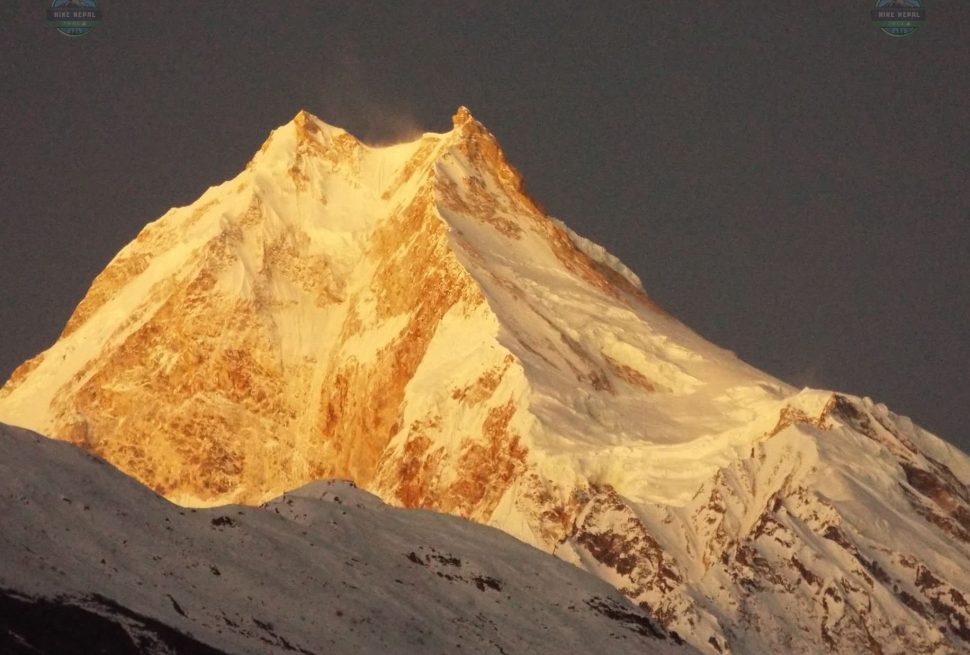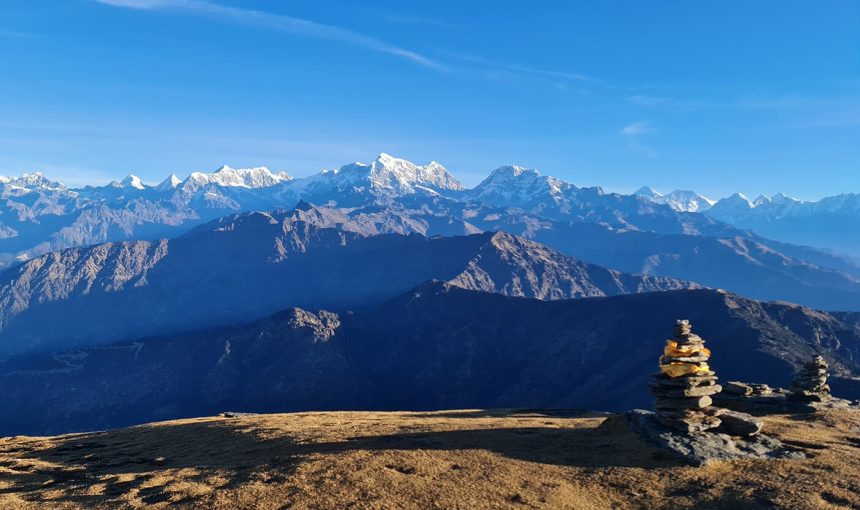
Looking to escape the crowds in the Himalayas? Discover the absolute Best Quiet Trekking Routes in Nepal for 2026, featuring remote trails, special permit requirements, and peaceful alternatives that let you experience the mountains in total solitude. The best secrets are found within protected, restricted areas or along high-altitude ridges—specifically trails like the Tsum Valley, Khopra Danda, and Nar Phu. These paths see only a tiny fraction of the foot traffic found on the classic Everest or Annapurna routes, making them ideal for travelers who want peace, quiet, and raw nature.
Crowded Trails and Lost Serenity
When most people think of trekking in Nepal, they immediately think of the Everest Base Camp trail or the famous sunrise at Poon Hill. Because these routes are so famous, they get incredibly crowded during the spring and autumn peak seasons.
Walking these paths can sometimes feel like walking on a busy city sidewalk rather than an adventure in nature. The trails are packed with large tour groups, the tea houses are loud and completely full, and the local villages have become highly commercialized. Instead of experiencing raw nature and authentic mountain culture, travelers often find themselves surrounded by modern tourist shops, Wi-Fi signs, and constant noise. This heavy traffic takes away the peaceful, spiritual feeling that makes the Himalayas so special in the first place.
Shifting to Eco-Trails and Wilderness Areas
The best way to fix this problem is to intentionally change where you walk. By shifting your focus toward protected wilderness areas, community-based ridges, and restricted eco-trails, you can completely reclaim true Himalayan serenity.
Restricted trails require special government permits and a local guide, which naturally keeps traveler numbers very low. On these quieter paths, you stay in small, community-run lodges or traditional homestays. This means your travel funds go directly to the local families who live in these remote valleys. Instead of crowded dining halls, you get to sit by a warm fire, eat authentic home-cooked meals, and have genuine conversations with local people. Choosing an alternative route allows you to enjoy pristine forests, empty trails, and untouched mountain views exactly the way nature intended.
Why Choose a Quiet Trekking Route in 2026?
Connecting with True Mountain Heritage
When you choose a quiet trekking route, you step into a world where time slows down. In remote areas like the Tsum Valley or the high villages of Nar and Phu, the local lifestyle remains completely authentic. Because these places do not see massive waves of Westernized tourism, the ancient customs, traditions, and daily routines are preserved exactly as they have been for centuries.
Instead of staying in large, commercialized hotels, you walk into traditional villages where people greet you with genuine warmth and curiosity. You will pass ancient monasteries with revolving prayer wheels, walk alongside beautifully carved mani walls, and see locals wearing traditional clothing as they tend to their fields and livestock. The cultural interactions here are not staged for tourists—they are a real part of daily life. It gives you a rare chance to learn about deep-rooted Tibetan and local heritages from the people who live them every day.
Keeping Travel Dollars in Local Hands
Choosing a lesser-known trail has a direct, positive impact on both nature and the people who call the mountains home. On standard commercial routes, a large portion of travel expenses ends up with big city-based corporations. On quiet eco-trails and ridge walks, your journey fuels a sustainable, community-based economy.
You will sleep in community-run eco-lodges or cozy family homestays and eat fresh meals made from food grown right in the village gardens. This ensures that your financial investment is distributed evenly among remote communities that truly need the support, helping them fund local infrastructure and schools. Furthermore, because these paths see fewer hikers, there is much less strain on the fragile alpine environment. Local communities can easily manage waste, protect local wildlife, and preserve pristine forests, ensuring that tourism protects nature instead of harming it.
The Himalayas the Way They Used to Be
The greatest reward of an alternative trek is the profound sense of peace. On quiet trails, the constant chatter of large tour groups and the noise of crowded pathways completely vanish. Instead, you are treated to empty trails, peaceful forests, and the calming sounds of rushing rivers and wind blowing through the pine trees.
When you reach a ridge line or an open valley, you get to enjoy grand, undisturbed mountain views all to yourself. There are no crowds blocking your camera lens, and no rush to secure a spot at a viewpoint. Standing before a massive, snow-capped peak in complete silence offers a deeply spiritual connection to nature. This stillness allows you to slow down, reflect, and experience the majestic grandeur of the Himalayas exactly the way early explorers did.
The Top Nepal Quiet Trekking Routes
1. Khopra Danda Trek (The Best Short Ridge Alternative)
If you love the majestic scenery of the Annapurna region but want to avoid the massive crowds of Poon Hill or Ghandruk, Khopra Danda is one of the best alternative treks to annapurna base camp. This trail takes you entirely off the standard tourist highway and leads you up a spectacular, high-elevation ridge line. As you hike, you walk face-to-face with the massive Dhaulagiri and Annapurna mountain ranges, looking down into the deepest valley in the world.

The undisputed crown jewel of this trek is the challenging day hike up to the sacred Khayer Lake (4,600 m). This high-altitude alpine lake sits peacefully at the very base of the giant, snow-capped mountains and serves as an important Hindu pilgrimage site.
- Logistics at a Glance: The entire loop takes between 7 to 9 days to complete. It features a moderate physical difficulty with some steep climbs up the ridge lines. Along the way, you sleep in cozy community-run eco-lodges, which means your money goes directly toward funding local village schools and community projects.
2. Tsum Valley Trek (The Sacred Hidden Sanctuary)
For those looking for deeply peaceful and remote trekking destinations nepal has to offer, the Tsum Valley is a magical choice. This hidden valley branches off from the popular Manaslu Circuit and opens up into a sacred sanctuary where time feels like it stopped centuries ago. The local people strictly practice a unique tradition of non-violence, meaning hunting, slaughtering animals, or harming nature is completely forbidden within the valley bounds.
The ultimate highlight of this journey is exploring the ancient, century-old Mu Gompa monastery, which perches dramatically at the highest point of the valley. You will also get to visit historical meditation caves, walk past incredibly long walls made of hand-carved prayer stones, and see traditional stone houses against a backdrop of the majestic Ganesh Himal mountains.
- Logistics at a Glance: This spiritual journey typically takes 11 to 14 days. Because it is a highly protected area, the government requires a special restricted area permit and mandates that you travel with a registered, licensed local guide. Accommodations are simple, offering an authentic peek into family homestay life.
3. Nar Phu Valley Trek (The Medieval Frontier)
If your dream adventure involves exploring places completely untouched by modern life, Nar Phu is one of the ultimate off the beaten path treks in nepal. Tucked away in a rugged pocket north of the Annapurna Circuit, the trail begins by winding through narrow, dramatic rock canyons before opening up into a stark, beautiful high-altitude mountain desert that closely resembles the landscapes of Tibet.
The unforgettable high point of this adventure is pushing your physical limits to cross the raw, windswept Kang La Pass (5,320). After conquering the pass, you step into the ancient, fortified stone villages of Nar and Phu, where locals still live traditional nomadic lifestyles herding yaks and spinning wool just as their ancestors did.
- Logistics at a Glance: This is a challenging route that requires 12 to 14 days to complete. It demands a high level of physical fitness due to the extreme altitude and steep terrain. Accommodations are basic, rustic tea houses, making it an authentic wilderness expedition.
4. Pikey Peak Trek (The Quietest Everest View Trail)
You do not need to climb to extreme altitudes or trek for weeks to see the highest mountain in the world. Pikey Peak is rapidly gaining fame as one of the quietest trekking trails nepal has to offer for those who want an easier, lower-altitude journey through peaceful Sherpa territory without the intense crowds of the Khumbu region.

The undisputed highlight of this trek is waking up early to watch the sweeping sunrise from the Pikey Peak summit (4,065 m). From this specific vantage point, you can look across the horizon and see an uninterrupted panorama of the entire Everest range, a view that Sir Edmund Hillary himself famously claimed was his absolute favorite in all of Nepal.
- Logistics at a Glance: This trail is highly accessible, taking only 5 to 7 days to complete. The walking trails are gentle and gradual, making it perfect for beginners, older travelers, or families. It is also highly economical, as it does not require expensive domestic flights or costly restricted permits.
Route Comparison
To help you choose the perfect trail for your next adventure, here is a clean, scannable comparison of these hidden gem routes. This quick overview highlights how high each trail goes, how long it takes, and how quiet you can expect the path to be.
| Trekking Route | Ideal Duration | Maximum Elevation | Remote Isolation Level |
| Pikey Peak | 5 – 7 Days | 4,065 m | Moderate |
| Khopra Danda | 7 – 10 Days | 4,500 m | High |
| Tsum Valley | 11 – 14 Days | 3,700 m | Very High |
| Nar Phu Valley | 12 – 14 Days | 5,320 m | Extreme |
Key Takeaway: If you have less than a week and want stunning views with comfortable walking, Pikey Peak is an excellent choice. If you are looking for an intense alpine challenge with the ultimate level of wilderness solitude, the high-altitude trails of Nar Phu Valley will offer exactly what you are searching for.
Essential Planning Logistics for Remote Trails
Stepping off the commercialized pathways requires careful preparation, clear knowledge of local regulations, and an understanding of remote trail conditions. Planning effectively involves keeping several essential logistical factors in mind:
The Guide Rule & Group Dynamics
Nepal’s Department of Immigration introduced groundbreaking updates to its trekking policy. The long-standing rule requiring a minimum group of two foreign trekkers has been officially removed. Solo travelers can now legally obtain permits for restricted areas (like Upper Mustang, Tsum Valley, and Nar Phu).
However, safety and accountability regulations remain strictly enforced.
- Mandatory Guide Policy: Every trekker—whether traveling completely solo or in a group—is legally required to hire a licensed, government-registered trekking guide.
- Agency Processing: You cannot apply for these specialized permits on your own; all paperwork must be handled through a registered local trekking agency.
- Group Safety Limits: To ensure quality care and proper wilderness oversight, group sizes are strictly capped at a maximum of 7 trekkers per licensed guide. If a group has 8 or more participants, the agency must provide an additional licensed guide.
Understanding the Permit Structure
Navigating the legal paperwork for remote paths is entirely different from the standard main-trail systems. Depending on your chosen route, you will need a specific combination of digital and regional documents:
- The Move to Digital Tracking: The traditional physical paper TIMS card (Trekkers’ Information Management System) has been replaced by a modern, fully digital tracking portal known as E-TIMS. This system uses digital registration to monitor trekker safety across specific trail sections. Note that checkpoints in the core Everest and Annapurna regions now primarily verify direct conservation permits rather than TIMS.
- Conservation & National Park Permits: Trails cutting through protected ecosystems require standard environmental entry passes, such as the Annapurna Conservation Area Permit (ACAP) or the Manaslu Conservation Area Permit (MCAP).
- Restricted Area Permits (RAP): For sensitive, remote border zones like Tsum Valley, Nar Phu, or Upper Mustang, your agency must secure a specialized Restricted Area Permit from the Department of Immigration. A helpful update allows agencies to initiate this online application process using your visa submission ID before you even land in Kathmandu.
Valid travel insurance is an absolute requirement for permit approval. Your policy must be uploaded to the digital government portal by your agency and must explicitly cover high-altitude trekking (up to 6,000 meters) and comprehensive helicopter evacuation. Local helicopter operators strictly verify this coverage before launching any remote search and rescue missions.
Packing & Lodging
Traveling off the beaten path means trading luxury amenities for deep authenticity. Preparing your expectations for the raw realities of remote mountain life ensures a smooth journey:
- Authentic, Local Meals: Large, multi-page tourist menus do not exist in these quiet valleys. Instead, your daily fuel will be freshly prepared, organic local food. The ultimate fuel of the Himalayas is Dal Bhat (a nutritious platter of lentil soup, rice, and seasonal vegetable curry). It is fresh, high in carbohydrates, and provides sustained energy.
- Eco-Friendly Hydration: To protect fragile ecosystems, single-use plastic water bottles are strictly banned across almost all major remote trails. You must pack a durable, reusable water bottle (like a 1-liter Nalgene) or an insulated flask, along with a reliable, high-quality water filtration system or purification tablets.
- Basic Accommodations: Lodging consists of simple, community-run eco-lodges or traditional family homestays. Guest rooms are generally unheated, minimalist, and feature twin beds. Bathroom facilities are often basic and shared among guests. Hot showers and electricity for charging devices are powered by solar energy or small local micro-hydro systems; these amenities are subject to weather conditions and are often available for a small local fee. Packing a high-quality, cold-weather sleeping bag and a reliable power bank is essential for your comfort.
Choosing an alternative path completely transforms a standard mountain holiday into a truly profound, life-changing journey. When you leave the crowded paths behind, you are not just visiting a place—you are stepping away from the noise of the modern world and entering a world of pure stillness, deep-rooted culture, and untouched nature. It is an opportunity to challenge your body, quiet your mind, and view the massive peaks of the Himalayas exactly the way nature intended.
Plan Your Crowd-Free Journey
Every traveler has a different comfort level, unique goals, and varying physical capabilities. To ensure your adventure is both safe and deeply rewarding, the best approach is to connect directly with a local destination expert.
Consulting a specialized team allows you to design a personalized, sustainable itinerary that matches your exact fitness level, budget preferences, and vacation schedule. A local expert will handle your specialized permits, match you with an experienced mountain guide, and ensure your financial investment goes directly toward supporting remote village communities.