Choosing between a Kathmandu to Pokhara flight vs bus depends entirely on balancing your timeline against your financial budget. Flying takes roughly 25 minutes but requires a higher financial investment, whereas taking a luxury tourist bus is highly economical but requires a full day of travel (typically 8 to 12 hours) due to ongoing regional highway expansion works. When planning your trip from Kathmandu to Pokhara, you must compare flight vs bus travel times, financial investments, and road conditions to choose your perfect option. To get your journey off to a smooth start, mapping out these logistics beforehand helps you avoid unexpected surprises and allows you to pick the best way to travel from kathmandu to pokhara based on your specific holiday goals.
Table of Contents
The Trick Behind the 200-Kilometer Map
On a flat, straight map, the distance between Kathmandu and Pokhara looks deceptively short. It is only about 200 kilometers (around 124 miles). In most Western countries, driving a distance like that on a modern highway would take less than three hours. However, Nepal’s unique geographical terrain changes the rules completely.
The journey winds through deep river valleys, clings to steep green hillsides, and navigates sharp mountain curves. Because of this challenging landscape, there is no straight line from point A to point B. This introduces a major logistical puzzle for international tourists who are caught off guard by how slow overland travel can be.
Furthermore, major sections of the primary Prithvi Highway (especially the Mugling-to-Pokhara stretch) are currently undergoing massive, long-term road-widening and expansion works to transform it into a proper four-lane highway. While these upgrades will make future travel much faster, the current reality involves navigating temporary unpaved stretches, dusty detours, and heavy single-lane traffic bottlenecks. This turns a relatively short distance into a choice between a lightning-fast premium flight or a full-day, slow-travel overland endurance journey. Your decision will set the entire pace for your Himalayan vacation.
Option 1:Taking the Flight (The Fast Track)
Route Overview
If you want to skip the long road trip completely, taking a domestic flight is the quickest route available. Your journey starts at the domestic terminal of Tribhuvan International Airport (KTM) in Kathmandu and lands at the modern Pokhara International Airport (PKR). Several reliable local airlines run multiple flights along this route every single day, making it a highly accessible and popular choice for travelers who want to maximize their vacation time.

25 Minutes in the Air
The biggest reason to choose a flight is the incredible amount of time you save. The actual time you spend in the air flying from Kathmandu to Pokhara is just about 25 minutes.
However, when planning your day, you need to keep the total travel timeline in mind. You will need to take a taxi through Kathmandu’s busy morning traffic, arrive at the domestic airport about an hour before departure for check-in and security, and wait a few minutes for your luggage after landing. Even with these extra airport steps, the entire process takes less than two to three hours from hotel to hotel, leaving you with a full day to relax by the lake in Pokhara.
Mountain Views from the Right Side
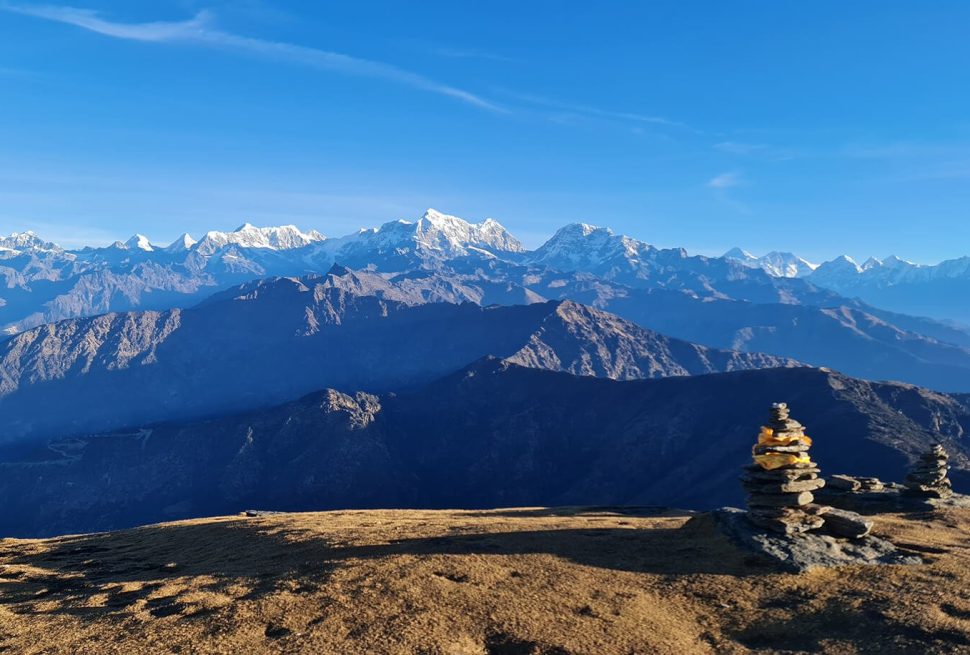
Flying in Nepal is not just about getting to your destination—it is an experience all on its own. On a clear day, the flight doubles as a spectacular mountain sightseeing tour. As the plane heads west toward Pokhara, a massive wall of snow-capped mountains appears outside your window.
Pro Tip: When you check in for your flight at the Kathmandu airport, politely ask the counter agent for a seat on the right side of the aircraft. This gives you a front-row seat to view the stunning peaks of the Langtang, Manaslu, and Annapurna mountain ranges stretching across the horizon.
Weather and Flight Delays
While flying is incredibly fast, it does come with one major catch: it relies entirely on the weather. Mountain weather in Nepal can change very quickly, and domestic flights operate under visual flight rules, meaning pilots must have clear visibility to fly and land safely.
During the winter months, thick morning fog in Kathmandu can cause flights to be delayed by several hours. In the monsoon season, heavy rain clouds can cause afternoon cancellations. Even on sunny days, strong winds in the Pokhara valley later in the afternoon can shift flight schedules. To minimize the risk of disruptions, it is always smart to book the earliest morning flight available.
Estimated Financial Investment
Because flying saves you an entire day of driving, it requires a higher financial investment compared to overland travel. The typical cost for a one-way adult ticket for international tourists averages between USD 110 and USD 128 per person. This price usually includes a standard checked baggage allowance of 15 to 20 kilograms, along with a small piece of hand luggage.
Option 2: Taking the Bus (The Scenic, Slow Overland Journey)
Route Overview
For travelers who love slow travel and want to see the changing landscapes up close, taking the bus is the classic overland choice. This driving route follows the famous Prithvi Highway, winding down out of the Kathmandu valley and tracing the edges of deep, green gorges along the banks of the rushing Trishuli and Marsyangdi rivers. It is a shared journey that takes you right through the beating heart of rural Nepal.
The Realities of Travel Time: The 8-to-12-Hour Reality
If you look at older travel guidebooks or outdated blogs, you might read that the bus ride takes a simple five to six hours. However, the modern reality of overland travel in Nepal is completely different.
Because of massive, ongoing road-widening works aimed at transforming the highway into a modern four-lane system, a standard tourist bus journey currently takes anywhere from 8 to 12 hours. Heavy traffic bottlenecks near the Kathmandu exit gates, dusty unpaved detours, and single-lane diversions around active bridge construction zones mean you should plan for a full day on the road. It is an endurance test, but one that rewards patient travelers.
Different Bus Classes Available
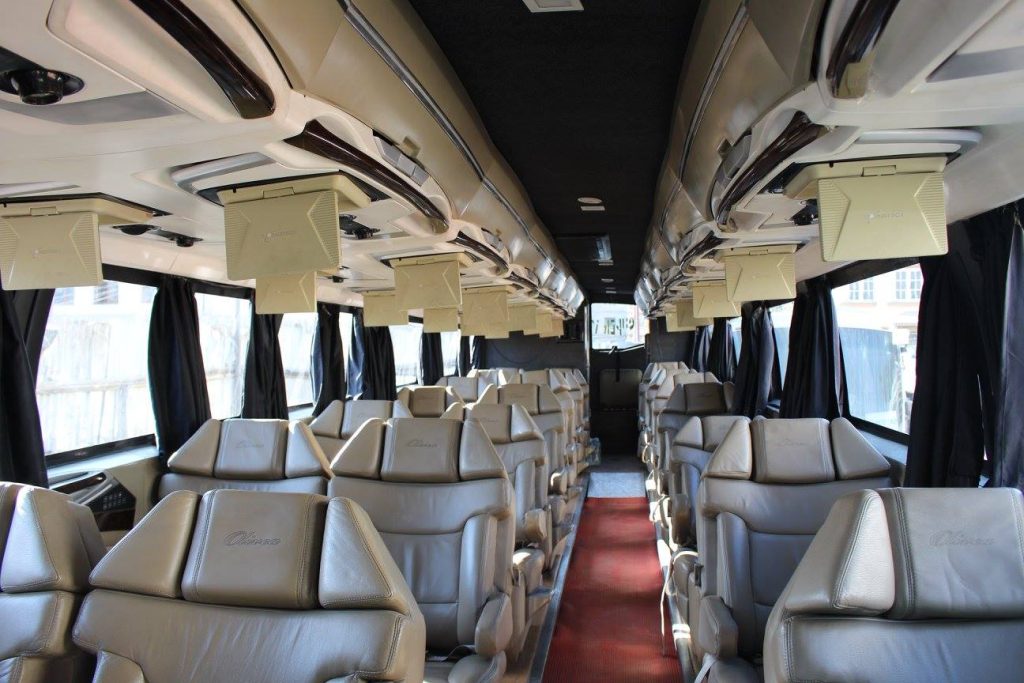
You do not have to crowd into a packed local bus to make this trip. There are dedicated, comfortable options designed specifically for travelers:
- Standard Tourist Bus: This is the most basic option. These buses usually feature standard reclining seats in a two-by-two layout. They are simple, budget-friendly, and usually rely on natural window breezes or basic fans for cooling.
- VIP / Premium Sofa Bus: This is the highly recommended choice for balancing comfort over a long day of driving. These upgraded vehicles feature fewer total seats, which allows for large, plushly padded sofa chairs arranged in a spacious layout. They come equipped with air conditioning, smoother air-suspension systems to soften the bumpy road sections, and onboard USB charging ports to keep your phone or camera alive during the long transit.
The Overland Experience: Life Along the Highway
While the flight gives you a view from above, the bus places you directly inside the local culture. As you drive, the window views constantly change: you will look out over beautifully carved green rice terraces, small hillside villages, and local roadside tea stalls.
If you look down at the rushing Trishuli River, you will often spot colorful rafts of adventure seekers navigating white-water rapids. The journey also includes built-in cultural breaks. All tourist buses make scheduled stops at clean, roadside garden restaurants, allowing you to stretch your legs and enjoy a hot, authentic local breakfast and a fresh plate of Dal Bhat for lunch.
Estimated Financial Investment
The biggest benefit of choosing the overland route is how incredibly affordable it is. Taking the bus is highly accessible for budget travelers, with ticket prices usually ranging between NPR 1,500 and NPR 3,000 (approximately USD 12 to USD 30 per person). The exact amount depends entirely on whether you choose a standard seat or step up to a premium sofa option. Most tickets can be easily arranged a day in advance through your local hotel or a neighborhood travel agency.
Comparison Table
To help you make a quick and clear choice, this scannable table breaks down the key decision metrics side-by-side. Whether you want to prioritize saving time or stretching your travel budget, you can easily compare the two travel methods below:
| Decision Factor | Domestic Flight | Luxury Tourist Bus |
| Actual Travel Time | 25 Minutes | 8 to 12 Hours |
| Typical Financial Investment | USD 120 – USD 128 | USD 12 – USD 30 (NPR 1,500+) |
| Scenery Type | Dramatic mountain peaks from above | Rivers, terraced hills, and village life |
| Departure Reliability | Weather dependent (susceptible to fog/rain) | Mostly reliable daily departures (susceptible to traffic delays) |
| Best Suited For | Trekkers on a tight schedule or families | Budget backpackers and slow-travel enthusiasts |
Differences
- Time vs. Budget: This is the most critical trade-off. Flying gets you to your lakeside hotel before noon, giving you nearly a full extra day of vacation. On the flip side, taking a premium sofa bus saves you a significant amount of money that you can reinvest into your trekking packages, paragliding activities, or dining experiences in Pokhara.
- The View Outside Your Window: The flight offers a breathtaking, bird’s-eye panorama of giant Himalayan peaks like Annapurna and Manaslu. The bus gives you a grounded, slow-paced look at everyday life in Nepal, passing through rural towns, lush riverside valleys, and beautiful terraced farms.
- Delays and Dependability: Both choices have factors that can change your schedule. Flights are heavily dependent on weather conditions like mountain wind, rain, or morning fog, which can cause sudden delays. Buses are mostly unaffected by weather but are highly vulnerable to highway traffic congestion, roadblocks, and delays caused by ongoing road expansion work.
Key Planning Tips for Both Options
To make sure your journey goes smoothly regardless of how you choose to travel, keep these practical, real-world planning tips in mind before you head out.
If You Choose to Fly: Getting the Best out of Your Flight
Flying is fast, but a little bit of strategy will give you a much better experience:
- Book an Early Morning Flight: Try to secure a departure time before 10:00 AM. In Nepal, mountain weather is usually much clearer and calmer in the early morning. As the afternoon approaches, temperatures rise, winds pick up, and clouds can roll in quickly, which often causes flight delays or cancellations.
- Ask for the Right Side: When you arrive at the check-in counter at the Kathmandu airport, ask the agent if you can have a seat on the right side of the plane. Because you are flying west toward Pokhara, the massive Himalayan mountain ranges will be entirely on your right side, giving you incredible photo opportunities.
- Keep Your Plans Flexible: Do not schedule a major activity or a tight trekking connection on the exact same afternoon as your flight. Give yourself a little bit of a time buffer just in case morning fog pushes your departure back by an hour or two.
If You Choose the Bus: Staying Comfortable on the Road
A long day on the highway can be a great adventure if you pack smart and pick the right seat:
- Book Your Tickets One Day Early: Do not wait until the morning of departure to buy your bus ticket. Speak to a local travel agent or your hotel front desk a day in advance so they can book you a seat in the front half of the bus. The back of the bus bounces significantly more when driving over rough, unpaved road-work sections, whereas sitting up front gives you a much smoother ride.
- Pack a Travel Daypack: Keep your essential items with you at your seat rather than storing them in the large luggage compartment under the bus. Make sure your daypack includes:
- A reliable power bank to keep your phone charged, as maps and music will drain your battery during an 8-to-12-hour drive.
- Plenty of drinking water and high-quality snacks like nuts, fruit, or energy bars, so you don’t have to wait for the scheduled lunch stops if you get hungry.
- A pair of headphones or a good book to help pass the time during slow traffic bottlenecks.
The Final Verdict
At the end of the day, neither choice is inherently “better” than the other. The decision between flying or taking the bus comes down to what you value most for your specific trip: saving precious vacation days or stretching your travel budget.
If your holiday timeline is tight and you want to start exploring the lakeside or hitting the mountain trekking trails as quickly as possible, investing in a 25-minute flight is undoubtedly your best choice. On the other hand, if you are a budget-conscious backpacker, an enthusiastic slow-traveler, or simply want to experience the authentic sights, rivers, and local flavors of rural Nepal up close, taking a premium sofa bus turns a simple transit day into a memorable road trip adventure.
What Do You Think?
Now we want to hear from you! Which travel style fits your upcoming itinerary better? Are you planning to hop on a quick morning flight for those epic mountain views, or are you ready to take on the overland journey along the Prithvi Highway?
Leave a comment below and share your travel plans or any questions you have!
Need help sorting out the logistics? If you want to skip the hassle of booking tickets yourself, get in touch with our team of local destination specialists today. We can seamlessly organize your domestic flight tickets, premium sofa bus reservations, and airport transfers so you can focus entirely on your adventure. Contact us Whatsapp +977-9862791496