

Is Nepal safe to travel in 2026? Yes, Nepal remains a generally safe and welcoming destination for international tourists and trekkers. While recent flooding has affected some areas, particularly parts of Rasuwa, Dhading, and Nuwakot, the impact is localized and should not be confused with conditions across the entire country. Most major tourist destinations and trekking regions continue to welcome visitors, but travelers should always check the latest weather, road, and trail conditions before starting their journey.
Table of Contents
Is Nepal Safe to Travel Right Now?
Yes, Nepal is generally safe to travel right now, and the country is continuing to welcome tourists from around the world. Kathmandu, Pokhara, and other major tourist destinations are open, and hotels, restaurants, transportation services, and tourism businesses continue to serve travelers.
Nepal has recently experienced heavy rain and flooding in some areas. However, the effects are not the same across the whole country. Some places, especially parts of Rasuwa, Dhading, and Nuwakot, have faced damage and travel difficulties. These are local problems, and they do not mean that the whole of Nepal is affected.
For travelers planning a holiday or trek, this is an important difference to understand. Tourism and trekking continue in Nepal, with some local disruptions. Many popular trekking areas remain accessible, but conditions can change, especially after heavy rain. Roads, bridges, and mountain trails can sometimes be affected by landslides or bad weather.
If you are planning to visit Nepal, there is no need to cancel your entire trip simply because some areas have experienced flooding. Instead, check the condition of the particular place you plan to visit before you leave. A good trekking agency or local guide can also give you the latest information about roads, trails, weather, and any temporary changes to your itinerary.
Is Nepal Safe for Trekking After the Floods?
yes, Nepal is generally safe for trekking, but with one important exception.
Nepal’s mountain ranges span hundreds of miles across vastly different river systems. Major regions like Everest and Annapurna were completely untouched by the floodwaters and remain fully operational.

However, because the flash flood originated along the northern border corridor, travel safety in Rasuwa District (the gateway to Langtang) requires clear nuance. Honesty comes first: while upper trails in Langtang may be physically intact, access roads are undergoing repair.
Here is the current operational status across Nepal’s main trekking regions:
Trekking Region Operational Status
| Trekking Region | Current Situation | What Travelers Should Know |
| Everest Region | Operating | Unaffected by floods. Check standard Lukla flight schedules and autumn weather windows. |
| Annapurna Region | Operating | Fully safe and open. Confirm local highway conditions between Kathmandu and Pokhara before taking land transport. |
| Manaslu Region | Operating with local conditions | Open for trekking. Check latest trail updates near the low-altitude trailheads. |
| Langtang Region | Check current conditions | Particularly important because of Rasuwa. The upper valley remains safe, but the main access highway (Trishuli-Syabrubesi corridor) is closed due to severe flood damage. |
| Mustang Region | Operating | Unaffected by the flood zone. Keep in mind that high-desert road and trail conditions can vary seasonally. |
| Other Trekking Regions | Generally operating | Regions like Kanchenjunga, Makalu, and Humla are operating as normal. Confirm logistics before departure. |
A Honest Look at the Langtang Trek Right Now
Langtang holds a special place in the hearts of trekkers and local guides alike, so it is vital to be transparent about what is happening on the ground.
The main challenge for Langtang isn’t the trail in the upper valley—the high villages and tea houses remain largely unaffected. The challenge is the road to get there. Because Langtang lies inside Rasuwa District along the river corridor hit by the flood surge, key sections of the highway linking Kathmandu to Syabrubesi were washed out.
Authorities, emergency crews, and local communities are working tirelessly to clear debris and rebuild transport links. But out of respect for local recovery efforts and guest safety, commercial trekking directly into Langtang via standard overland routes should be postponed or carefully rerouted until highway access opens up.
If you have your heart set on traveling to Nepal during this period, consider these options:
- Switching to an Alternative Trek: Regions like Annapurna, Everest, or Manaslu are completely clear and ready to welcome you.
- Checking Alternative Access: Speak directly with local team leads to see if secondary access routes or helicopter transports are suitable for your dates.
- Flexibility: Keep your travel dates flexible so you can adjust your itinerary based on real-time road repairs.
Local teams on the ground monitor every trail daily. Taking a safe, honest approach ensures you have a wonderful journey while supporting communities where it matters most.
What Should You Check Before Traveling to Nepal?
Planning a trip to Nepal does not have to be stressful. A little preparation before you leave can make your journey much easier and more enjoyable.
Nepal is a country with different landscapes and weather conditions, so it is always better to check the situation in the particular place you are visiting. This is especially important if you are planning a trek or traveling during the rainy season.
Here is a simple checklist to help you prepare:
1. Check the Latest Travel Advisory
Before leaving home, check the latest travel information from your country’s government. Travel advice can change when there are major weather events, road problems, or other unexpected situations.
2. Check the Weather
Weather can change quickly in Nepal, especially in the mountains. Check the forecast for Kathmandu, Pokhara, or your trekking area before you travel.
If you are trekking, your guide or trekking agency can also help you understand what the weather may mean for your route.
3. Check Road Conditions
If you are traveling by road, check the condition of the roads before starting your journey. Heavy rain can sometimes cause landslides, flooding, or temporary road closures in some areas.
Your local trekking agency can give you the latest information and help you choose the best way to reach your destination.
4. Check Your Trekking Route
Before starting your trek, ask about the current condition of the trail.
A trail that was fine a few days ago can sometimes be affected by heavy rain or a landslide. Your guide or local trekking company should be able to tell you whether your planned route is open and whether any changes are needed.
5. Confirm Your Accommodation
It is always a good idea to confirm your hotel or teahouse before traveling, especially if you are visiting a remote trekking area.
This gives you peace of mind and helps avoid surprises when you arrive.
6. Get Travel and Trekking Insurance
Travel insurance is strongly recommended when visiting Nepal, especially if you are going trekking.
If you are planning a high-altitude trek, make sure your insurance covers trekking at the altitude you will reach and emergency evacuation if it is needed.
7. Choose a Reliable Guide or Trekking Agency
If you are going trekking, choose a trusted local trekking agency and experienced guide.
A good guide does more than show you the trail. They can help you understand the weather, altitude, trail conditions, accommodation, and any unexpected changes along the way.
8. Save Important Emergency Numbers
Before you travel, save important contact numbers on your phone.
It is also a good idea to keep your trekking agency’s contact information and your guide’s phone number with you.
9. Check Your Flight Status
If you are flying to a mountain destination such as Lukla, remember that mountain flights can be affected by weather.
Check your flight status before leaving for the airport and allow some flexibility in your itinerary.
10. Ask Your Trekking Agency for the Latest Information
Finally, ask your local trekking agency about the current situation before you leave.
This is one of the easiest ways to get practical information. Your agency may know about recent changes to roads, trails, weather, accommodation, or transportation that you may not find in older information online.
A Simple Rule to Remember
You do not need to worry about every possible problem before coming to Nepal.
Just check the latest information, plan ahead, and listen to local advice.
Weather and conditions can change, especially in the mountains. Being prepared does not mean Nepal is unsafe—it simply means you are giving yourself the best chance to enjoy your trip without unnecessary problems.
Which Areas of Nepal Were Affected by the Flooding?
Nepal is a country of many different regions, so when flooding affects one area, it does not mean the whole country is affected. Recent heavy rain and flooding have caused problems in some parts of Rasuwa, Dhading, and Nuwakot, including damage to roads, bridges, and other local infrastructure.
For travelers, the most important thing to understand is that the effects are local. Kathmandu, Pokhara, Everest, Annapurna, Mustang, and many other popular tourist and trekking destinations are in different parts of the country.
Here is look at the three districts that have been more affected.
Rasuwa
Rasuwa has been one of the areas more seriously affected by recent flooding and landslides. Some roads, bridges, and transport connections have been damaged, making travel more difficult in certain parts of the district.
The road corridor toward the northern border, including areas around Rasuwagadhi, Timure, and Syafrubesi, has been particularly important when discussing the current situation.
Because of the damage, access to some places may take time to return to normal. Recovery and repair work is ongoing, and conditions can change as work continues.
If you are planning to visit Rasuwa or travel through this area, check the latest local information before your journey. Do not rely only on information from several weeks or months ago.
Dhading
Dhading is another district where heavy rain and flooding have caused problems in some areas.
Because Dhading lies along important road routes connecting Kathmandu with other parts of Nepal, travelers may experience delays when roads are damaged or affected by landslides.
This does not mean that the whole district is closed or that travel through Nepal has stopped. Conditions can be different from one road or village to another.
If your journey passes through Dhading, check the road condition shortly before traveling and ask your local travel or trekking agency for the latest update.
Nuwakot
Nuwakot has also experienced the effects of heavy rain and flooding in some locations.
Some local roads and infrastructure may need repair, and travel conditions can change after further rainfall.
If you are visiting Nuwakot or passing through the district, check the latest road and weather information before you leave. A local agency or guide can often give you more practical information about the current situation.
Does the Flooding Affect the Whole of Nepal?
No.
This is an important point for anyone planning a trip to Nepal.
Nepal is a large and geographically diverse country. The situation in Rasuwa, Dhading, or Nuwakot does not represent the situation everywhere in Nepal.
Popular tourist destinations such as Kathmandu and Pokhara continue to receive visitors, while many trekking regions are also continuing to operate. However, conditions can change, particularly after heavy rainfall, so travelers should always check their specific destination before starting their journey.
The Bottom Line
The recent flooding has caused real problems for some communities, and travelers should take those problems seriously. At the same time, there is no need to assume that the whole of Nepal is affected.
The impact of flooding is geographically localized. Travelers should not assume that conditions in one district represent the situation across Nepal.
If you are planning a trip or trek, the best approach is simple: know where you are going, check the latest local conditions, and listen to advice from local authorities and experienced trekking professionals.
Are Kathmandu and Pokhara Safe to Visit?
For many travelers, Kathmandu and Pokhara are the first two places they visit in Nepal. So, if you are wondering “Is Nepal safe to travel?”, it is natural to ask whether these two popular cities are safe.

The short answer is yes, Kathmandu and Pokhara are generally safe for tourists. Both cities have been welcoming travelers for many years and have a well-developed tourism industry.
Is Kathmandu Safe to Visit?
Yes, Kathmandu is generally safe for tourists.
Kathmandu is Nepal’s capital and the main arrival point for most international travelers. The city can feel busy, noisy, and crowded, especially around popular tourist areas, but millions of visitors pass through Kathmandu every year.
Tourist Areas
Places such as Thamel, Kathmandu Durbar Square, Boudhanath, and Swayambhunath are popular with visitors and have many hotels, restaurants, shops, guides, and travel agencies.
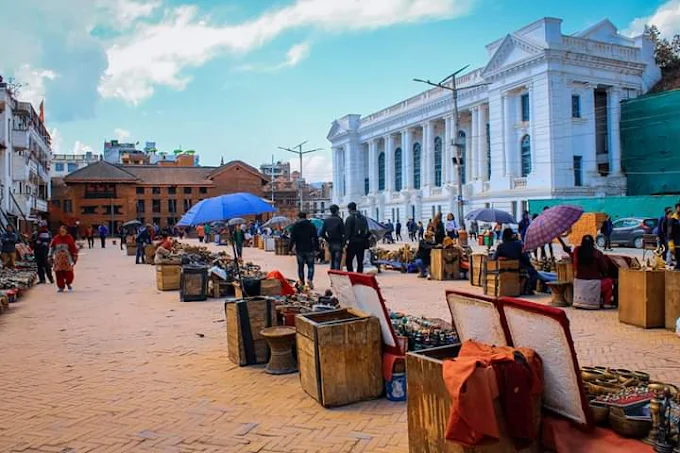
Tour & Sightseeing (12 Trips)
As with any busy tourist area, keep an eye on your phone, wallet, passport, and other valuables when walking through crowded streets.
Transportation
Traffic in Kathmandu can be busy, and roads can feel very different from what you may be used to at home.
Use a reliable taxi or trusted ride service, and give yourself extra time when traveling across the city.
If you are heading to a trekking destination, your trekking agency can also arrange transportation for you.
Petty Theft
Serious crime against tourists is not something most visitors experience, but petty theft can happen, especially in crowded places.
Keep your valuables secure, avoid carrying large amounts of cash, and do not leave your phone or wallet unattended.
These are simple precautions, but they can save you from an unnecessary problem during your holiday.
Demonstrations and Crowds
Occasional political demonstrations or large gatherings can happen in Kathmandu.
If you see a protest or large political gathering, the safest choice is simply to stay away and take another route. There is no reason for a tourist to get involved.
Always check the latest local information if there are reports of demonstrations in the city.
Normal Travel Precautions
You do not need to be nervous while walking around Kathmandu. Just use the same common sense you would use when visiting any large city:
- Keep your valuables secure.
- Be careful in crowded places.
- Use trusted transportation.
- Avoid walking alone in unfamiliar areas late at night.
- Keep copies of important travel documents.
- Stay aware of your surroundings.
For most visitors, these simple habits are enough to enjoy Kathmandu comfortably.
Is Pokhara Safe to Visit?
Yes, Pokhara is also generally safe and welcoming for tourists.
Pokhara has a much more relaxed feeling than Kathmandu. It is famous for Phewa Lake, mountain views, adventure activities, and as a starting point for many popular treks.
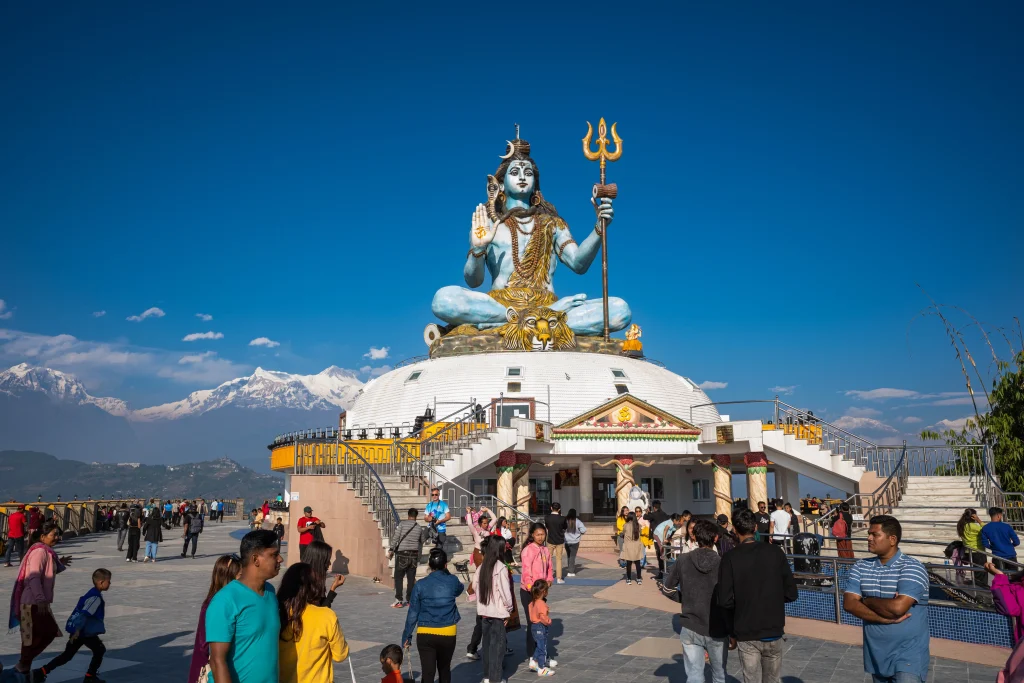
It is also one of the main places where trekkers spend time before or after their journey.
Lakeside
The Lakeside area is the heart of tourism in Pokhara. You will find hotels, restaurants, cafés, shops, trekking agencies, and many other services for travelers.
It is a popular area for visitors and is generally easy to explore on foot.
As always, keep your belongings with you and take normal precautions, especially in busy areas.
Tourism Infrastructure
Pokhara is well prepared for tourists.
You can find a wide range of accommodation, restaurants, trekking agencies, transportation services, pharmacies, hospitals, and other facilities that travelers may need.
This makes Pokhara a comfortable place to spend a few days before or after a trek.
Gateway to the Mountains
For many trekkers, Pokhara is the starting point for adventures in the Annapurna region.
If you are trekking from Pokhara, your guide or trekking agency can help organize transportation, permits, accommodation, and other parts of your journey.
Transportation
Transportation in Pokhara is generally easy to arrange. Taxis, private vehicles, tourist buses, and other local transportation options are available.
If you are traveling to a trekking trailhead, always check the road condition and travel time before leaving, especially during periods of heavy rain.
Weather
Weather can change quickly around Pokhara and the surrounding mountains.
During the rainy season, heavy rain can cause delays and may affect roads in some areas. During trekking seasons, mountain weather can also change quickly.
This is not a reason to avoid Pokhara. It simply means that checking the weather before traveling is a smart habit.
Kathmandu or Pokhara: Which Is Safer?
Both cities are generally safe for tourists.
Kathmandu is a busy capital city, so you may need to be a little more careful with traffic, crowds, and your belongings.
Pokhara is smaller and more relaxed, but travelers should still pay attention to weather and road conditions, particularly when heading toward the mountains.
In both places, normal travel precautions go a long way.
If you are worried about visiting Nepal because of recent flooding in some parts of the country, remember that conditions can be very different from one area to another.
Kathmandu and Pokhara remain important tourism centers, and travelers continue to visit both cities.
You do not need to spend your holiday worrying about every possible problem. Stay informed, use common sense, check local conditions, and enjoy your time in Nepal.
Are Everest and Annapurna Treks Safe?
If you are planning a trek in Nepal, you may be wondering: Is Nepal safe for trekking?
The short answer is yes, but trekking in the Himalayas comes with real risks that you should prepare for.
On high-altitude treks, the biggest concerns are usually not crime. They are altitude, weather, trail conditions, landslides, and changes in transportation.
The good news is that these risks can often be managed with proper planning, gradual acclimatization, a good guide, and the right equipment.
Is Everest Base Camp Trek Safe?
Yes, the Everest Base Camp Trek is generally considered a safe and well-established trek when properly planned. However, the high altitude means you should take the risks seriously.

Everest Region (6 Trips)

Nepal (24 Trips)
Altitude
Altitude is one of the main things to consider on the Everest Base Camp Trek. The trail reaches more than 5,000 meters above sea level, so your body needs time to adjust.
Walking too high too quickly can increase the risk of altitude sickness. A sensible itinerary includes rest and acclimatization days and avoids rushing the trek.
If you develop serious symptoms such as severe headache, difficulty breathing, confusion, or difficulty walking, tell your guide immediately and follow their advice.
Weather
Mountain weather can change quickly.
Rain, snow, strong winds, poor visibility, and very cold temperatures can affect trekking conditions. Even during the main trekking seasons, conditions are not guaranteed every day.
Check the latest weather forecast before starting each stage of your trek and listen to your guide if conditions become unsafe.
Lukla Flights
Many Everest Base Camp trekkers fly between Kathmandu and Lukla.
Because Lukla is a mountain airport, flights can be delayed or cancelled when weather conditions are poor. This is normal and should be considered when planning your itinerary.
It is a good idea to leave some flexibility in your schedule rather than planning an important international flight immediately after your trek.
Acclimatization
Good acclimatization is one of the most important parts of staying safe at high altitude.
A proper itinerary gives your body time to adjust as you gain elevation. Do not treat rest days as wasted days—they are an important part of the trek.
Drink enough water, walk at a comfortable pace, and tell your guide if you feel unwell.
Guides and Support
A knowledgeable guide can make a big difference on a high-altitude trek.
Your guide can help monitor your condition, understand changing weather and trail conditions, and decide when the itinerary needs to be adjusted.
For foreign trekkers, make sure you understand the current Nepal trekking guide requirements before starting your trek.
Emergency Evacuation
In serious situations, emergency evacuation may be necessary.
Before your trek, check that your travel insurance covers high-altitude trekking at the elevation you will reach and emergency evacuation, including helicopter evacuation where applicable.
Also keep your guide’s contact information and your trekking agency’s emergency contact details with you.
Is the Annapurna Trek Safe?
Yes, the Annapurna region is one of Nepal’s most popular trekking areas, but conditions can vary depending on the route, season, and altitude.

Annapurna Region 8 Trips
Nepal 24 Trips
The Annapurna region includes several different trekking routes, so the risks are not exactly the same everywhere.
Road Conditions
Some Annapurna trekking routes share sections of road with local vehicles.
Road conditions can change after heavy rainfall, and travel may take longer than expected. Before starting a road journey to or from a trailhead, check the latest conditions.
Landslides
During periods of heavy rain, landslides can affect roads and trekking trails in some parts of the Annapurna region.
This is particularly important during the monsoon season.
If local authorities, guides, or trekking agencies advise against using a particular route, take that advice seriously and consider an alternative route.
Altitude
Altitude is also an important consideration in the Annapurna region.
Some routes reach high elevations, so altitude sickness remains a potential risk. Your itinerary should allow enough time for acclimatization, particularly on higher routes.
Weather
Weather conditions in the mountains can change quickly.
Rain, snow, strong winds, and poor visibility can make a trail more difficult. Always check the forecast and be prepared for changing conditions.
Trail Conditions
Trail conditions can change after rain, snowfall, landslides, or other natural events.
A trail that was in good condition recently may not be the same after several days of bad weather.
This is why getting current local information from your guide or trekking agency is important before and during your trek.
Everest or Annapurna: Which Is Safer?
There is no simple answer because safety depends on the particular route, altitude, season, weather, and your preparation.
Everest Base Camp has significant altitude and weather considerations, while Annapurna has a wider variety of routes and can have road and landslide issues in certain areas.
Instead of asking which trek is completely safe, a better question is:
Which trek is suitable for my experience, fitness, timing, and current conditions?
A good trekking agency or experienced guide can help you choose the right route and adjust your plan if conditions change.
The Main Safety Point for Himalayan Treks
For most trekkers, the biggest safety concerns in the Himalayas are not crime. They are altitude, weather, trail conditions, landslides, and transportation disruptions.
That does not mean you should be afraid of trekking in Nepal.
It means you should respect the mountains, take your time, check current conditions, and be prepared to change your plans when necessary.
Good preparation can make a huge difference to your trekking experience.
What Are the Real Safety Risks for Travelers in Nepal?
Nepal is generally safe for travelers, but that does not mean there are no risks.
The risks you need to think about depend largely on where you are going, what season you are traveling in, and whether you are trekking at high altitude.
For most visitors, simple preparation and common sense can prevent many problems.
| Safety Risk | Who Needs to Care? |
|---|---|
| Altitude sickness | High-altitude trekkers |
| Heavy rain | Monsoon travelers |
| Landslides | Road and trekking travelers |
| Flooding | Travelers in affected areas |
| Road accidents | Anyone traveling by road |
| Flight delays | Mountain trekkers |
| Petty theft | Everyone |
| Demonstrations | Everyone |
| Extreme cold | High-altitude trekkers |
Altitude Sickness
Altitude sickness is one of the main concerns for people trekking in Nepal’s higher regions.
The risk increases as you go higher, especially if you ascend too quickly. Proper acclimatization, a sensible itinerary, enough rest, and listening to your guide are important.
Heavy Rain
Heavy rain can affect travel, particularly during the monsoon season.
Rain can cause delays, reduce visibility, and make roads and trekking trails more difficult. Check the weather before traveling and be prepared for changes to your plans.
Landslides
Landslides can occur after heavy rainfall, especially in mountainous areas.
They may affect roads, bridges, and trekking trails. If you are traveling by road or trekking during periods of heavy rain, check the latest local conditions before setting out.
Flooding
Flooding does not affect the whole of Nepal at the same time.
If you are traveling through an area that has recently experienced flooding, check the condition of roads, bridges, and other infrastructure before you go. Avoid closed or disaster-affected areas and follow local advice.
Road Accidents
Road travel requires attention in Nepal, particularly on busy highways and mountain roads.
Traffic, road conditions, weather, and long travel times can all make road journeys challenging. Use reliable transportation and avoid taking unnecessary risks.
Flight Delays
Mountain flights can be affected by weather.
If your trek involves flights to places such as Lukla, allow some flexibility in your itinerary. A flight delay does not necessarily mean something is wrong—it can simply be the result of poor mountain weather.
Petty Theft
Petty theft can happen in busy tourist areas, just as it can in other popular travel destinations.
Keep your phone, wallet, passport, and other valuables secure, especially in crowded places.
Demonstrations
Political demonstrations or large gatherings can occasionally take place, particularly in urban areas.
If you encounter a demonstration, keep your distance and avoid getting involved. Check local information if there are reports of protests in the area you are visiting.
Extreme Cold
High-altitude trekking can involve very cold temperatures, particularly at night and during winter.
Bring appropriate clothing and equipment for the altitude and season of your trek. Your trekking agency or guide can help you understand what you will need.
What Should You Take Away?
You do not need to worry about every risk on this list.
The important thing is to understand which risks apply to your particular trip.
If you are visiting Kathmandu and Pokhara, your concerns will be different from someone trekking to Everest Base Camp or traveling through a remote mountain area.
For most travelers, the best approach is simple: check current conditions, prepare properly, use reliable services, and follow local advice.
Is Nepal Safe for Tourists After the Floods?
Yes—but don’t confuse “generally safe” with “risk-free.”
Recent flooding has caused real problems in some parts of Nepal, but it does not mean that the whole country is unsafe for tourists.
The most important thing is to understand where you are going. Conditions can be very different between one district and another. Before traveling, check the latest information for your specific destination rather than making a decision based only on reports about another part of Nepal.
Most travelers can enjoy Nepal safely by taking a few sensible precautions.
What Can Responsible Travelers Do?
Before and during your trip:
- Check your specific destination — Make sure the area you plan to visit is open and accessible.
- Check the weather — Heavy rain can quickly change road and trail conditions.
- Use reputable transportation — Choose trusted taxis, tourist buses, private vehicles, or transportation arranged by a reliable agency.
- Choose a reliable trekking agency or guide — Local professionals can provide current information about trails, weather, and transportation.
- Get travel and trekking insurance — If you are trekking, check that your policy covers your planned altitude and emergency evacuation.
- Follow local advice — Local authorities, guides, and experienced trekking professionals may have more current information than older online articles.
- Stay away from closed or disaster-affected areas — If an area has been closed because of flooding, landslides, or other hazards, do not try to enter.
The goal is not to avoid every possible risk. It is to understand the risks that apply to your particular trip and prepare for them.
What Should You Check Before Traveling to Nepal?
A little preparation before you leave can make your trip much easier.
Before Leaving Home
☑ Check the latest travel advisory
Travel advisories can change after major weather events, demonstrations, or other unexpected situations.
☑ Check the weather
Look at the forecast for your destination, especially if you are traveling during the monsoon or heading into the mountains.
☑ Check road conditions
If you are traveling by road, find out whether there are any recent closures, landslides, or delays along your route.
☑ Check your trekking route
Ask whether your planned trail is currently open and whether there have been any recent changes to the route.
☑ Confirm your accommodation
If you are traveling to a remote area, confirm your hotel or teahouse before leaving.
☑ Get travel and trekking insurance
For trekking, make sure your insurance covers the altitude you will reach and emergency evacuation if required.
☑ Confirm your guide or trekking agency
Make sure you know who is organizing your trek and have their contact details before you arrive.
☑ Save emergency contacts
Keep your guide’s number, trekking agency contact, accommodation details, and important emergency numbers on your phone.
☑ Check your flight status
Mountain flights, including flights to Lukla, can be delayed or cancelled because of weather. Leave some flexibility in your schedule.
☑ Ask your trekking agency for the latest local information
This is especially useful close to your departure date. Local agencies can often tell you about recent changes to roads, trails, weather, and transportation.
A Simple Rule for Traveling in Nepal
You don’t need to worry about every possible problem before coming to Nepal.
Just check the latest information, plan ahead, and listen to local advice.
Being prepared does not mean Nepal is unsafe. It simply means you are giving yourself a better chance of having a smooth and enjoyable trip.


