Introduction
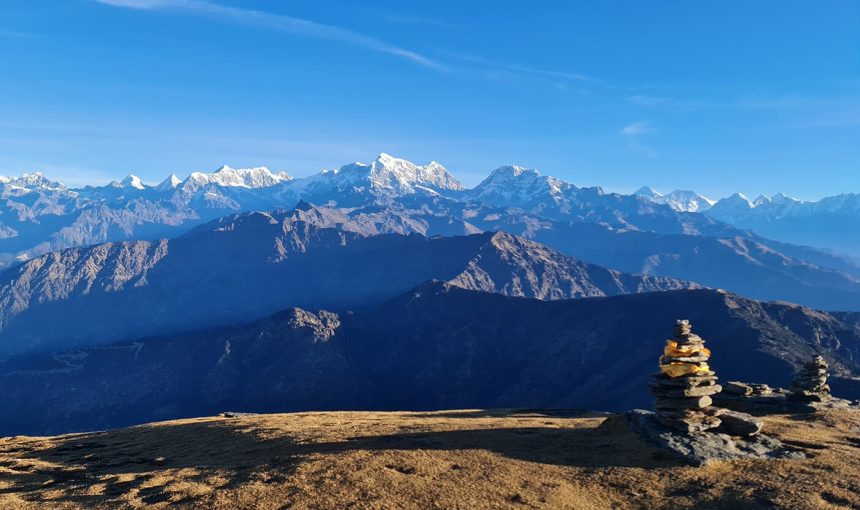
Nepal is famous for having the world’s highest mountains, but it is also one of the best places for travelers who want to save money. Budget-friendly trek in Nepal is possible because the daily prices for local food and a bed in a teahouse are very low compared to other countries. A “cheap” trek usually means you choose a route that does not need an expensive flight. Instead, you can reach these trails by taking a local bus or a shared jeep, which keeps your transport costs down. These treks also tend to be shorter, meaning you spend less on supplies overall.
In 2026, there is one important change for all travelers: hiring a licensed guide is now mandatory for almost all trekking regions in Nepal. This rule was made to keep trekkers safe from getting lost or sick at high altitudes and to support the local community by creating jobs. While this adds a small daily fee to your trip, you can still keep your journey affordable by traveling in a small group to share the guide’s daily wage. By following these new rules and choosing trails with easy road access, you can enjoy a world-class Himalayan adventure without spending a fortune.
Table of Contents
Budget Factors for 2026
| Factor | How to Keep it Budget-Friendly |
| Transport | Use local buses or shared jeeps instead of domestic flights. |
| Food | Eat Dal Bhat (lentil soup and rice) for free refills and long-lasting energy. |
| Accommodation | Stay in local teahouses; prices are lower in less famous regions. |
| Guides | Share a licensed guide with 2–4 friends to split the daily fee. |
| Permits | Stick to regions like Annapurna or Langtang where permits are standard price. |
Top 5 Budget-Friendly Treks in Nepal
1. Ghorepani Poon Hill Trek (The Classic Choice)
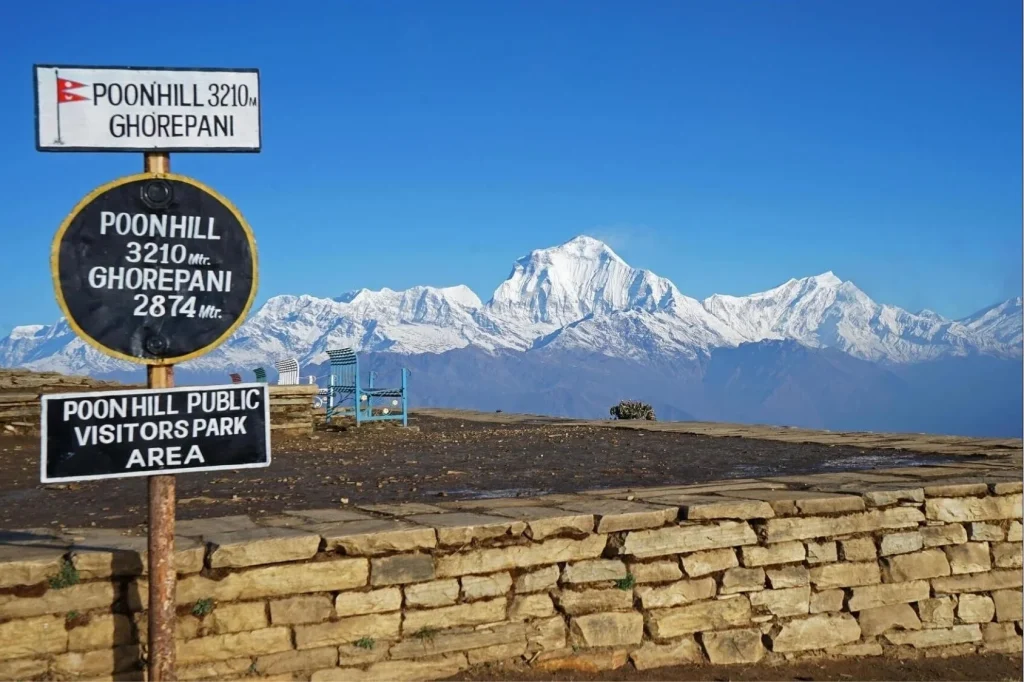
The Ghorepani Poon Hill Trek is often called the best “starter” trek in Nepal because it is short, beautiful, and does not cost much. It is perfect for people who want to see the big mountains without walking for weeks.
What you will see: You will walk through magical forests filled with red flowers (Rhododendrons) and visit charming villages where the local people are very friendly.
Duration: 4–5 days.
Why it’s cheap: The trail starts very close to the city of Pokhara. You don’t need to buy expensive airplane tickets to get there. You can simply take a local bus or a shared jeep to the starting point, which saves you a lot of money. Because the trek is short, you also spend less on food and rooms.
The Highlight (The Famous Sunrise): The best part of this trip is waking up early to hike up Poon Hill (3,210m). From the top, you can watch the sun rise over the giant Annapurna and Dhaulagiri mountains. As the sun comes up, the snowy peaks turn from white to a bright, glowing gold. It is a view you will never forget!
2. Langtang Valley Trek (The Best Value)
The Langtang Valley Trek is the perfect choice for travelers who want to see massive, snowy peaks and glaciers without paying for a flight to Everest. It is known as the “Valley of Glaciers” and is very close to Kathmandu.
- Duration: 7–9 days.
- Why it’s cheap: You can reach the start of this trek by taking a local bus from Kathmandu to a town called Syabrubesi. Since you don’t need to fly, you save hundreds of dollars right at the start. Also, the food and rooms in this valley are very affordable compared to the more famous Everest region.
- The Highlight (High Mountain Views): The best part of this trek is reaching Kyanjin Gompa, a peaceful village surrounded by giant mountains. If you are feeling strong, you can hike up to a viewpoint called Kyanjin Ri. From there, you get a 360-degree view of white mountains that look so close you feel like you could touch them!
- What you will see: You will walk through beautiful green forests, see many yaks grazing in the fields, and cross suspension bridges over rushing rivers. The people living here are from the Tamang community, and they have a very interesting culture and unique traditions.
3. Mardi Himal Trek (The New Favorite)
The Mardi Himal Trek is a newer trail that has quickly become popular because it is quiet, short, and offers incredible “up-close” views of the mountains.
- Duration: 5–6 days.
- Why it’s cheap: Just like the Poon Hill trek, this one starts near Pokhara. You can take a short, cheap taxi or jeep ride to the trail. Because the path is quite steep, you reach high altitudes quickly, which means you get great views in just a few days of walking.
- The Highlight (The “Fishtail” Mountain): On this trek, you get the absolute best view of Machhapuchhre, also known as “Fishtail Mountain.” This mountain is sacred and has never been climbed. At High Camp, the mountain feels like it is standing right in front of you.
- What you will see: Most of the walk is along a high ridge, so you can see down into deep valleys on both sides. You will walk through “cloud forests” where the trees are covered in soft moss.
4. Pikey Peak Trek (The Everest Alternative)
If you want to see Mount Everest but find the flight to Lukla too expensive, the Pikey Peak Trek is your best secret option. It is located in the lower Everest region and offers one of the most famous views in Nepal.
- Duration: 6–7 days.
- Why it’s cheap: You can reach the start by taking a local jeep from Kathmandu to a village called Dhap. This saves you the high cost of a domestic mountain flight. Because it is a “hidden gem,” the teahouses are simple and very affordable.
- The Highlight (Sir Edmund Hillary’s Favorite View): It is said that Sir Edmund Hillary (the first man to climb Everest) called the view from Pikey Peak his favorite. At the top (4,065m), you can see a giant row of mountains, including Everest, Makalu, and Kanchenjunga, all at once!
- What you will see: You will walk along high ridges with open views, visit ancient Buddhist monasteries, and see many “Mani walls” (stone carvings with prayers).
5. Helambu Trek (The Closest to the City)
The Helambu Trek is the perfect choice for anyone who wants to start walking almost immediately after landing in Nepal. It is the closest trekking region to Kathmandu.
- Duration: 5–6 days.
- Why it’s cheap: You don’t need any flights or long bus rides. You can take a very short bus ride to Sundarijal (just at the edge of the city) and start walking. Since it is so close to the capital, transport fees are almost zero.
- The Highlight (Beautiful Villages & Green Hills): This trek is famous for its “Hyolmo” culture. You will visit beautiful villages like Tarke Ghyang and Sermathang, where you can see unique houses and friendly local people. It feels like you have stepped back in time.
- What you will see: You will walk through the Shivapuri National Park, seeing lush green forests, waterfalls, and peaceful farm fields. Even though it is at a lower altitude, you still get amazing views of the Langtang and Ganesh Himal mountains.
Which One Should You Choose?
- For the best sunrise: Go to Poon Hill.
- For big mountain glaciers: Choose Langtang Valley.
- For a quiet, high-up ridge walk: Try Mardi Himal.
- For a cheap way to see Everest: Pick Pikey Peak.
- For a short trip near the city: Stick with Helambu.
Conclusion
Trekking in Nepal does not have to be expensive. By choosing trails like Ghorepani Poon Hill or Langtang Valley, you can save a lot of money on flights and transport. While the new 2026 rules mean you must hire a guide, you can keep this cost low by trekking with a friend or joining a small group. Whether you want to see the golden sunrise over Annapurna or find a “secret” view of Everest from Pikey Peak, there is a budget-friendly path waiting for you. Pack light, eat local, and get ready for the adventure of a lifetime!
FAQs
Is it really mandatory to hire a guide in 2026?
Yes. To keep tourists safe and provide local jobs, the Nepal government now requires foreign trekkers to have a licensed guide in most mountain areas. You can no longer trek completely alone in national parks.
Can I trek without taking an expensive flight?
Absolutely! Many of the best budget treks, like Langtang, Helambu, and Pikey Peak, can be reached by a local bus or jeep from Kathmandu. This saves you around $300–$400 compared to flying to Everest.
What is the cheapest meal on the trail?
Dal Bhat (rice and lentil soup) is the best choice. It is usually the most affordable meal on the menu, and the best part is that you get free refills of rice and soup until you are full!
Do I need to buy a lot of expensive gear?
No. For these shorter budget treks, you don’t need professional climbing gear. You can even rent high-quality jackets and sleeping bags in Kathmandu or Pokhara for just $1–$3 per day instead of buying them.
Is there Wi-Fi and electricity on these treks?
Most teahouses have Wi-Fi and places to charge your phone, but they often charge a small extra fee ($2–$5). To save money, bring a power bank and enjoy a “digital detox” while you walk.