Yes, hiring a licensed trekking guide is mandatory for all foreign trekkers for Trekking in Nepal in 2026. According to the Nepal Tourism Board (NTB) and the Trekking Agencies Association of Nepal (TAAN), “Free Independent Trekkers” (FITs) are no longer permitted to trek solo in most of Nepal’s national parks and conservation areas. You must now book your trek through a government-registered trekking agency, like Hike Nepal Trek, and be accompanied by a licensed guide to obtain your mandatory e-TIMS permit.
Table of Contents
Where Exactly is a Guide Compulsory?
The “No Solo Trekking” mandate is now a standard across the country’s most iconic routes. If a trail passes through a National Park or a protected Conservation Area, the law requires you to be with a professional.
1. The Annapurna & Langtang Corridors
In these popular regions, self-guided trekking is no longer an option. You must have a guide to clear checkpoints for:
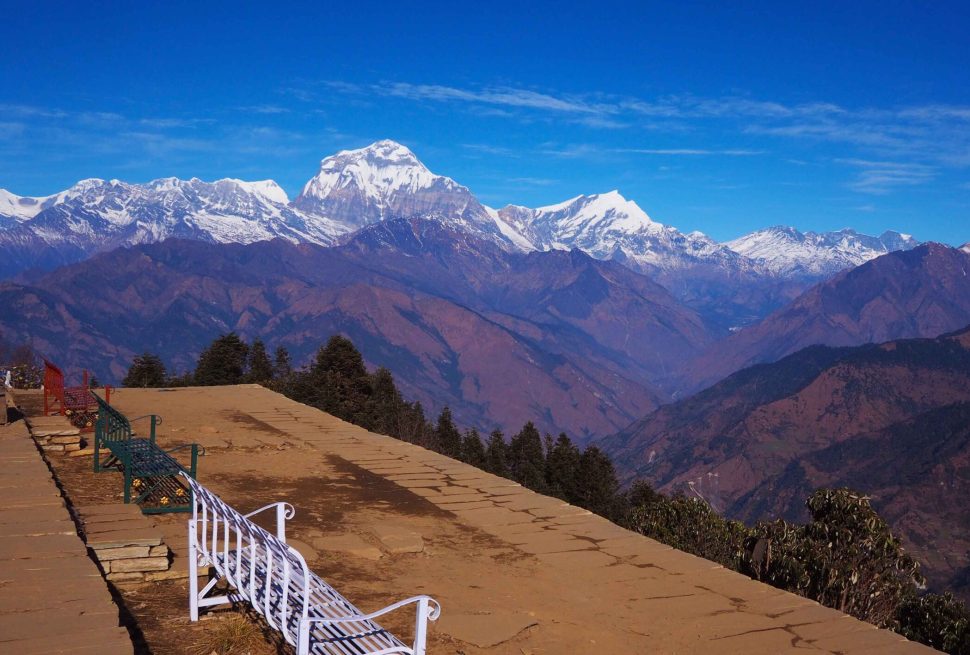
- Annapurna Circuit & ABC: Including the detour to Mardi Himal and the viewpoint at Poon Hill.
- Langtang Valley: Covering the main valley trek and the sacred Gosaikunda Lake routes.
2. Restricted & High-Altitude Zones
These areas have always maintained strict regulations, but in 2026, the digital permit tracking is more precise than ever.
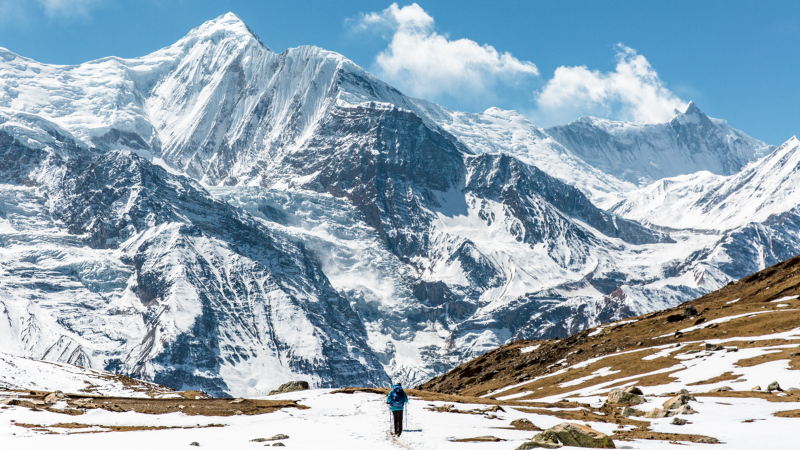
- Manaslu, Mustang, & Beyond: For the Manaslu Circuit, Upper Mustang, and Kanchenjunga, the “Group of Two” rule still applies—you must have at least two trekkers in your party plus a licensed local guide.
3. The Everest (Khumbu) Region
While the local government in the Everest region (the Pasang Lhamu Rural Municipality) has historically managed its own permits independently of the national TIMS card, the trend for 2026 is toward total compliance with safety standards.
- Our Expert Insight: Even if certain checkpoints occasionally allow independent entry, we strongly advise against it. Having a guide for Everest Base Camp or the Three Passes ensures you have secured mountain lodging and immediate assistance if you encounter altitude issues.
Key Takeaways for Your 2026 Adventure
- Digital Permits: Everything is now managed via the e-TIMS system, which can only be activated by a registered trekking company.
- Safety Investment: Think of your guide as your mountain partner. Their presence is the best way to guarantee a successful and stress-free journey.
- Local Support: By hiring a guide, you are directly contributing to the mountain communities and the families that make Himalayan travel possible.
The Role of the New e-TIMS System
In 2026, the old paper TIMS cards are gone. They have been replaced by the e-TIMS (Electronic Trekkers’ Information Management System).
- Agency Only: You cannot apply for this card yourself. Only a licensed trekking agency can issue it for you.
- Safety Tracking: The card uses a QR code that is scanned at every checkpoint, allowing the government to find you quickly in case of an earthquake or weather emergency.
- Insurance Requirement: To get the permit, your agency must verify that your guide has proper insurance and that your own travel insurance covers helicopter evacuation up to 5,000m.
Why the Government Banned Solo Trekking
This policy change wasn’t just about employment; it was a response to safety concerns. Between 2022 and 2025, a significant number of solo trekkers went missing or suffered from untreated altitude sickness. A guide provides:
- Emergency Response: Immediate help if you show symptoms of AMS (Acute Mountain Sickness).
- Navigation: Finding the trail after heavy snowfall or landslides.
- Logistics: Securing the best rooms in tea houses, which are often fully booked in 2026.
What is the Investment for a Guide in 2026?
The daily investment for a licensed guide typically ranges from $25 to $50 USD, depending on the difficulty of the route and their experience level. This includes their salary, food, accommodation, and insurance. At Hike Nepal Trek, we ensure our guides are paid fairly and treated with respect, which results in a much better experience for you.
1. Having a Guide
- The “Room Secret”: In peak seasons (Spring/Autumn), tea houses are packed. Mention how your guides use their local connections to call ahead and book the warmest rooms with the best views before you even arrive.
- Safety Beyond Maps: Mention that a guide monitors your oxygen levels with an oximeter and watches for subtle signs of altitude sickness that a solo trekker might ignore.
- Cultural “Key”: A guide can introduce you to the kitchen of a local family or explain the meaning of the prayer flags you pass. This changes a “walk” into a “story.”
2. Pro-Tip for 2026 Trekkers.
- The Tip: “Don’t just hire ‘anyone.’ Ensure your guide has a valid license from the Ministry of Tourism. At Hike Nepal Trek, we only employ guides with first-aid certification and at least 5 years of Himalayan experience.”
3. What to Ask Your Guide Before You Start
- How many times have you led this specific trek?
- What is the emergency plan if I get altitude sickness?
- Can you help me adjust the itinerary if I am tired?
4. “What If?”
- “Imagine it’s Day 4 of your Annapurna trek and a sudden landslide blocks the path. A solo trekker might get stuck or lost. A local guide knows the secret ‘bypass’ trail used by villagers to get you safely to the next village without losing a day.”
Ready to Step Into the Himalayas? The mountains are calling, and the rules have changed—but your dream adventure is still within reach. At Hike Nepal Trek, we don’t just “provide a guide”; we pair you with a Himalayan expert who ensures your safety, handles every permit, and opens doors to cultural experiences you’d never find on your own.
Why wait? Let’s plan your 2026 journey together.
- Hassle-Free Permits: We handle the e-TIMS and National Park paperwork before you land.
- Safety First: Every guide is first-aid certified and carries modern safety gear.
- Fair & Transparent: No hidden fees, just honest support for you and our local staff.
👉 [Click Here to Get a Custom Itinerary & Quote Today] Or message us directly on WhatsApp at +977 9862791496 for a free consultation!
Can I hire just a porter instead of a guide?
No, for 2026, the law specifically requires a licensed guide. While a porter-guide is possible, they must hold a valid guide license to clear the e-TIMS checkpoints.
Does the guide eat and sleep with me?
Your guide will stay in the same tea houses, but they usually eat in the common area with other guides. They are there to support you, while still giving you private space to enjoy your trip.
Will having a guide ruin the “adventure” or my privacy?
Not at all. Our guides are trained to be “invisible” when you want peace and “encyclopedias” when you have questions. They walk at your pace and ensure you have your private space at tea houses, while always being nearby if you need a hand.
Do I have to pay for the guide’s food and accommodation
When you book a package with Hike Nepal Trek, the guide’s salary, insurance, food, and lodging are all included. You don’t have to worry about their daily expenses on the trail—we take care of our team so they can take care of you.
Is it legally possible to trek without a guide if I am an experienced hiker
As of 2026, the law does not distinguish between beginner and expert hikers. In nearly all National Parks and Conservation Areas (including Annapurna, Langtang, and Manaslu), a licensed guide is mandatory for all foreign nationals. This policy is in place to ensure that even the most experienced hikers have local support in case of sudden weather shifts or medical emergencies.