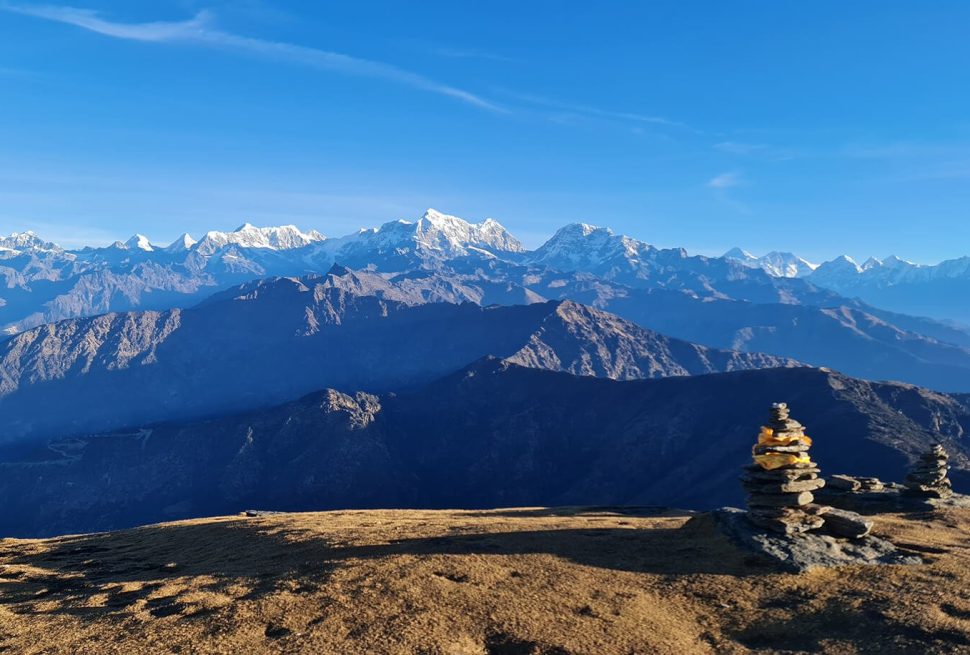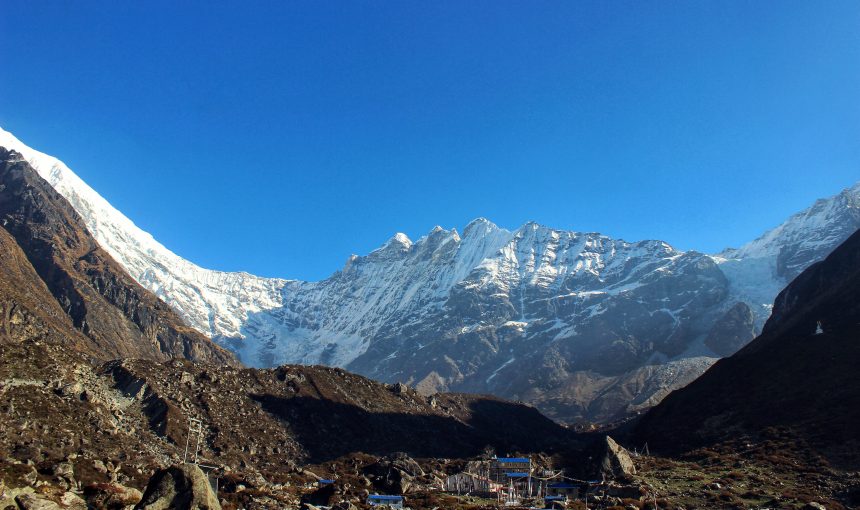
Kyanjin Gompa & Kyanjin Ri is like a peaceful hidden world tucked away at the very end of the Langtang Valley, sitting right at the foot of giant, snow-covered mountains. It is a small, quiet village where you can hear the soft ringing of bells from the ancient Buddhist monastery and smell the fresh mountain air mixed with the scent of the famous local yak cheese. Just above this village stands Kyanjin Ri, a majestic hill that acts as a natural balcony for the Himalayas. While the climb up Kyanjin Ri is steep and will make your heart beat fast, the reward is a deep sense of wonder as you stand face-to-face with massive frozen glaciers and peaks that touch the clouds. Together, the village gives you a warm, cultural hug, while the peak gives you a breathtaking view of the earth’s most powerful landscapes.
Table of Contents
Kyanjin Gompa
Kyanjin Gompa is a beautiful, small settlement sitting at an altitude of about 3,830 meters. It is the last village you stay in during the Langtang Valley trek. Surrounded by giant mountains like Langtang Lirung, it feels like a hidden paradise.The village gets its name from the ancient Kyanjin Monastery. This “Gompa” is the spiritual heart of the valley. When you visit, you can hear the peaceful sound of monks chanting and see colorful prayer flags waving in the wind. It is the perfect place to sit, breathe the fresh mountain air, and forget about the busy world.
Kyanjin Ri
Kyanjin Ri is a prominent viewpoint and trekking destination located in the Langtang Region of Nepal. The area is known for its stunning natural beauty, including high Himalayan peaks, lush valleys, and rich cultural experiences.
Geographic Location
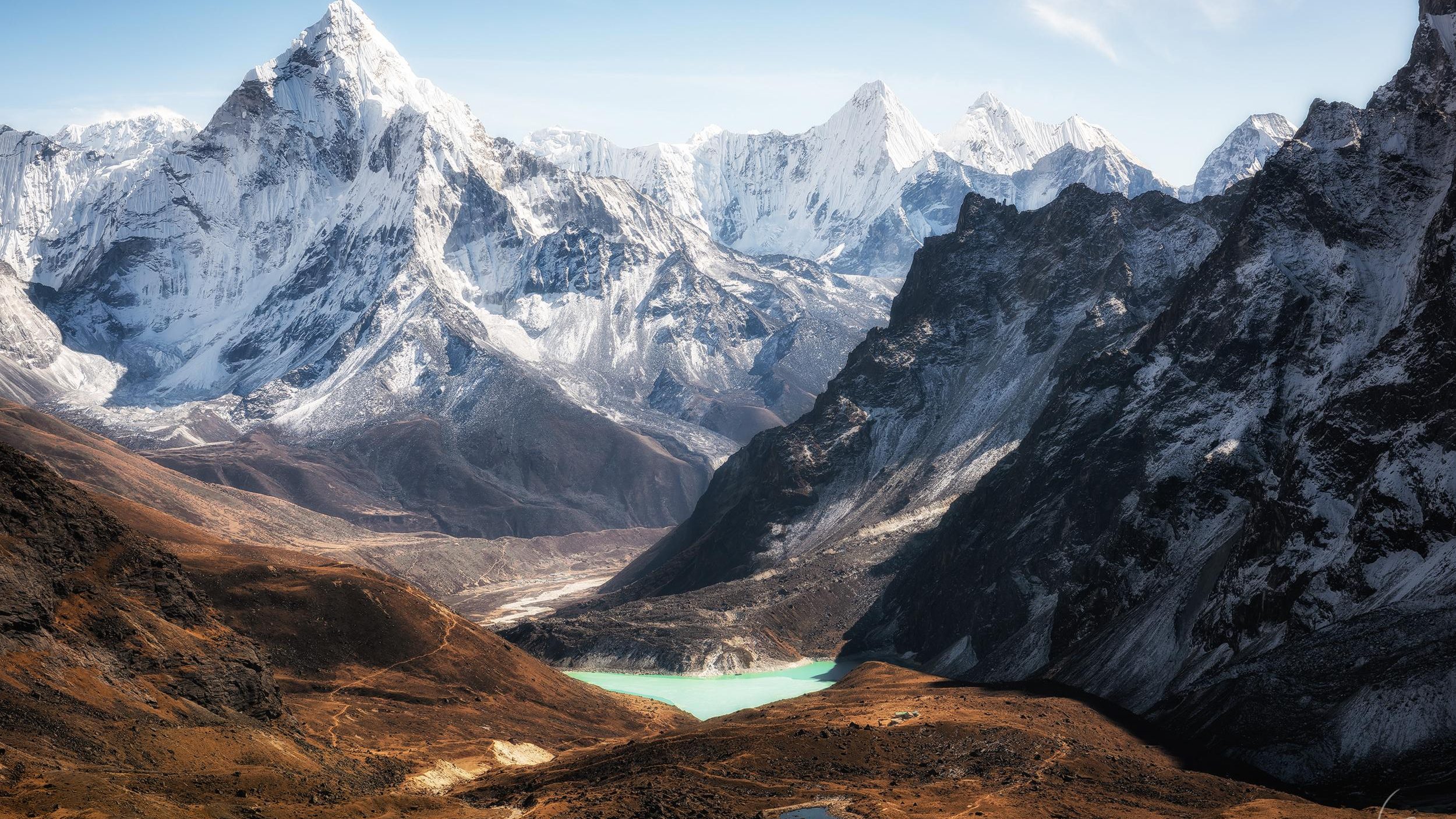
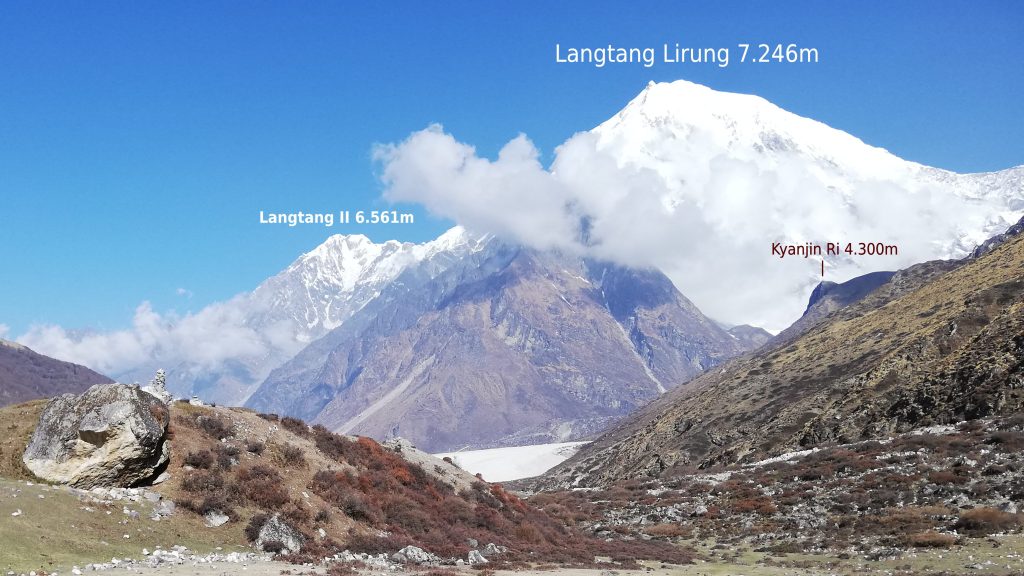
Kyanjin Ri sits at an elevation of approximately 4,773 meters (15,659 feet) above sea level. It is situated near the village of Kyanjin Gumba, which is a traditional village inhabited primarily by the Tamang people. The viewpoint is characterized by breathtaking panoramic views of the Langtang Himal range, including the impressive Langtang Lirung, the highest peak in the region.
Trekking Route
The trek to Kyanjin Ri typically begins in the town of Syabrubesi, which can be reached by road from Kathmandu. The journey to Kyanjin Gumba involves several days of trekking through diverse landscapes, including sub-tropical forests, alpine meadows, and rugged mountain terrain. Along the route, trekkers experience traditional villages, ancient Buddhist monasteries, and the unique culture of the Tamang community.
Environmental Significance
The Langtang National Park, where Kyanjin Ri is located, is home to an array of flora and fauna. The park boasts a variety of ecosystems ranging from subtropical forests to high alpine regions. It is also known for being a sanctuary for endangered species, including the red panda and snow leopard.
Cultural Aspects
The Kyanjin Gumba area is deeply rooted in Tibetan-Buddhist culture. Visitors can explore ancient monasteries, interact with local communities, and experience the warm hospitality of the Tamang people. The region is also known for its traditional cheese production, and trekkers often stop to taste the locally made cheese known as ‘yartsa gunbu.’
Short Day Hikes: There are several trails around Kyanjin Gumba for those wanting to explore further. One popular option is to hike to the nearby glaciers or explore the yaks grazing in the high meadows.
The World-Famous Yak Cheese Factory in Kyanjin Gompa & Kyanjin Ri
One of the most unique things about Kyanjin Gompa is its Yak Cheese Factory. Yes, a cheese factory in the middle of the Himalayas!
Founded many years ago with help from Swiss experts, this factory uses fresh milk from local Yaks.
- The Taste: The cheese is hard, salty, and very rich. It gives hikers the energy they need for their climbs.
- The Experience: You can watch how the cheese is made and buy a fresh block to eat while looking at the glaciers. It is a flavor you won’t find anywhere else in the world.
The Challenge and Reward: Climbing Kyanjin Ri
While the village is beautiful, the real adventure begins when you look up at Kyanjin Ri. This is a famous viewpoint located at 4,773 meters.
Most hikers wake up very early—around 4:00 AM—to start the climb. It is a steep walk, and your legs might feel tired, but we promise it is worth every step.
The Magic of the Sunrise
When you reach the top of Kyanjin Ri just as the sun begins to rise, something magical happens. The sky turns from dark blue to bright orange and pink. The first light of the sun hits the white peaks of Langtang Lirung and Kimshung, making them glow like gold.
From the top, you have a 360-degree view of the entire Langtang range. You can see frozen glaciers, deep valleys, and peaks that border Tibet. It is a moment of pure silence and beauty that many travelers say is the best part of their entire trip to Nepal.
Why You Should Visit
If you love nature but don’t want the huge crowds of the Everest region, Langtang is perfect. Kyanjin Gompa offers:
Local Hospitality: The Tamang people who live here are some of the friendliest people you will ever meet
Easy Access: It is the closest Himalayan trekking destination from Kathmandu.
Affordable Adventure: You can experience high-altitude beauty without an expensive price tag.
Practical Tips for Your Trip
- Best Time to Go: The best times to trek to Kyanjin Ri are during the pre-monsoon (March to May) and post-monsoon (September to November) seasons. During these months, the weather is generally stable, offering clear skies and excellent visibility for mountain views.
- Acclimatization: Take It Slow: Gradually ascend to help your body adapt to the decrease in oxygen levels as elevation increases. It’s advisable to spend an extra night at lower elevations if you start to experience symptoms of altitude sickness.
- Stay Hydrated and Nourished: Drink plenty of water to stay hydrated and consume high-energy foods to maintain stamina throughout the trek.
- Gear: Invest in good quality trekking gear, including sturdy hiking boots, warm clothing suitable for fluctuating temperatures, and a reliable backpack. A good sleeping bag and trekking poles can also enhance comfort and safety.
- Permits: Trekkers need to obtain a Langtang National Park entrance permit and a Trekkers’ Information Management System (TIMS) card. These can usually be acquired in Kathmandu or at the park entrance.
During the Trek
- Respect Local Culture: The Tamang people have rich traditions and customs. Show respect for their culture by asking permission before taking photos and observing local etiquette, especially in monasteries and sacred sites.
- Wildlife Safety: While the Langtang region is home to various wildlife, including the red panda and snow leopard, interaction is rare. However, trekkers should respect wildlife by maintaining a safe distance and not feeding animals.
Conclusion: Your Adventure Starts Here
Kyanjin Gompa is not just a destination; it is a feeling of peace and wonder. From the smell of fresh yak cheese to the golden glow of sunrise on Kyanjin Ri, this place stays in your heart forever.
Are you ready to see the “Valley of Glaciers” for yourself? At Hike Nepal Trek, we specialize in making your Himalayan dreams come true with safe, fun, and expert-led treks.
FAQs
How high is Kyanjin Gompa?
Kyanjin Gompa is located at an altitude of approximately 3,830 meters above sea level.
How long does it take to climb Kyanjin Ri?
It usually takes about 2 to 3 hours to reach the top from the village, depending on your pace.
Is the Yak Cheese factory always open?
Yes, the factory is generally open during the trekking seasons, and you can buy fresh cheese directly from the local producers.
Do I need special equipment for Kyanjin Ri?
You do not need climbing gear, but sturdy hiking boots and a headlamp for the sunrise trek are highly recommended.
What mountains can I see from the top?
You will see a 360-degree view of peaks like Langtang Lirung, Kimshung, and Langshisa Ri.
Is there internet or electricity in Kyanjin Gompa?
Most lodges have electricity for charging phones, and some provide Wi-Fi, though it can be slow due to the high altitude.