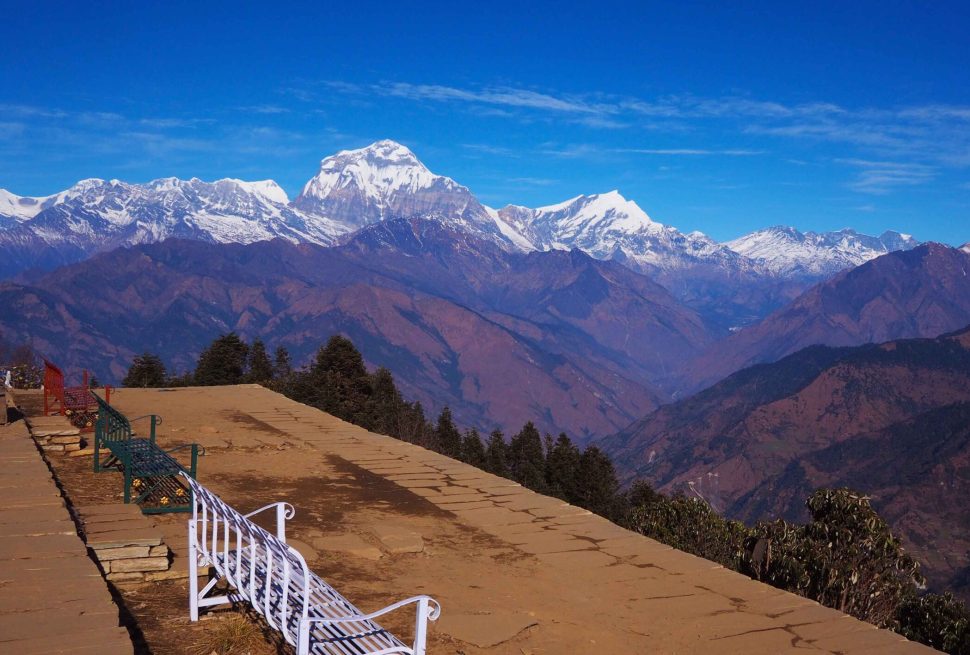
Searching for the “real” Nepal? Look no further. The Tsum Valley Trek is a journey into a sacred Himalayan sanctuary known as the “Hidden Valley of Happiness.” Located in the remote Manaslu region, this ancient trail offers high-altitude landscapes, Tibetan Buddhist culture, and a rare sense of peace found nowhere else.
This guide provides everything you need to plan your trip, including a 2026 updated itinerary, permit requirements, and essential logistics. Whether you are curious about the spiritual history of the valley or the physical challenge of the trail, this complete guide to the Tsum Valley Trek in the Manaslu region has you covered.
Before you lace up your boots, here is a quick “cheat sheet” of what to expect on the Tsum Valley Trek. This high-level summary gives you the essential facts at a glance, helping you decide if this journey into the Manaslu region is the right fit for your next adventure.
Tsum Valley Trek Essentials
| Feature | Details |
| Total Duration | 15–17 Days (Including travel from Kathmandu) |
| Maximum Elevation | 3,700m at Mu Gompa (Optional 4,200m at Ganesh Himal Base Camp) |
| Trek Difficulty | Moderate (Great for hikers with basic mountain experience) |
| Permits Required | Restricted Area Permit (RAP), MCAP, and ACAP |
| Best Seasons | Spring (March–May) and Autumn (September–November) |
| Accommodation | Traditional Tea Houses (Local homestay style) |

Your adventure begins with a scenic but long drive (8–9 hours). You’ll leave the city behind, winding along the Trishuli River and passing through lush green hills to reach Machha Khola, the starting point of your trek.
Day 2: Machha Khola to Jagat
This 15-day Tsum Valley Trek itinerary is the perfect balance of adventure and cultural immersion. We’ve broken it down day-by-day so you can see exactly how this journey unfolds, from the bustling streets of Kathmandu to the silent, high-altitude monasteries of the Manaslu region.
Day 1: Kathmandu to Machha Khola (Drive)
Your adventure begins with a scenic but long drive (8–9 hours). You’ll leave the city behind, winding along the Trishuli River and passing through lush green hills to reach Machha Khola, the starting point of your trek.
Day 2: Machha Khola to Jagat
Today, the walking begins! You’ll follow the Budhi Gandaki River, crossing suspension bridges and passing natural hot springs at Tatopani. The day ends in Jagat, a beautiful stone-paved village where you’ll register your permits.
Day 3: Jagat to Lokpa (The entry to Tsum)
This is where the trail splits. While others continue on the Manaslu Circuit, you’ll turn right into the “Hidden Valley.” Lokpa is the first village in Tsum and offers your first real taste of the isolation and peace to come.
Day 4: Lokpa to Chumling
Get ready for a climb! You’ll trek through pine and rhododendron forests, crossing the Siyar Khola to reach Chumling. This village is known as “Lower Tsum” and offers stunning views of Shringi Himal.
Day 5: Chumling to Chhokang Paro
Entering “Upper Tsum,” the valley opens up into wide fields. Chhokang Paro is famous for its unique stone houses and friendly locals. The air starts to feel thinner and the Tibetan influence becomes much stronger here.
Day 6: Chhokang Paro to Nile via Milarepa’s Cave
You’ll hike toward the village of Nile, but the highlight today is a stop at Piren Phu (Milarepa’s Cave). It’s one of the most sacred caves in the valley, where the famous Buddhist saint is said to have meditated.
Day 7: Nile to Mu Gompa
Today you reach the highest point of the trek! It’s a short walk to Mu Gompa (3,700m), the largest and oldest monastery in the region. You’ll be surrounded by yak pastures and views of the Tibetan border.
Day 8: Exploration Day at Mu Gompa & Dephyudonma Nunnery
Take a day to breathe. Visit the ancient Dephyudonma Nunnery, perched on a cliff even higher than Mu Gompa. This is the perfect spot for photography or quiet reflection amidst the peaks.
Day 9: Mu Gompa to Rachen Gompa
Begin your descent back down the valley. You’ll stop at Rachen Gompa, a significant nunnery that houses beautiful murals and statues. The atmosphere here is deeply spiritual and very welcoming.
Day 10: Rachen Gompa to Gumba Lungdang
A bit of a hidden gem, this leg of the journey takes you toward the base of Ganesh Himal. Gumba Lungdang is a remote nunnery where you can enjoy one of the best sunsets in the entire Himalayas.
Day 11: Hike to Ganesh Himal Base Camp
For those with extra energy, a day hike to Ganesh Himal Base Camp (4,200m) offers an up-close look at the glaciers and towering peaks. You’ll return to Gumba Lungdang for the night.
Day 12: Gumba Lungdang to Lokpa
It’s time to head back toward the main trail. You’ll descend through the same beautiful forests you climbed earlier, finishing the day back in the familiar village of Lokpa.
Day 13: Lokpa to Jagat
Leaving the Tsum Valley behind, you’ll rejoin the Budhi Gandaki River. The walk is mostly downhill, making for a pleasant day of trekking back to the checkpoint at Jagat.
Day 14: Jagat to Machha Khola
The final day on your feet! Retrace your steps through the narrow gorges and over the suspension bridges. It’s a great day to celebrate with your team and enjoy a final mountain dinner.
Day 15: Final Drive back to Kathmandu
Wave goodbye to the mountains. A private jeep or local bus will take you back to the capital, where a hot shower and a soft bed await.
Tsum Valley Trek Map & Route
Before you set foot on the trail, it’s essential to understand the unique layout of this region. While it shares the same starting and ending trails as the popular Manaslu Circuit, the Tsum Valley is actually a separate geographical entity that “branches off” from the main route.
The 3 Essential Permits for 2026
To complete the full Tsum Valley circuit, you will need to carry these three permits at all times:
- Tsum Valley Restricted Area Permit (RAP):This is your primary “ticket” into the valley.
- Manaslu Conservation Area Permit (MCAP):Since Tsum Valley sits inside the Manaslu Conservation Area, you must pay an environmental fee.
- Chumnubri Rural Municipality Entry Fee:A newer local tax introduced to support village infrastructure.
Tips for a Smooth Entry
The “Power of Two” Rule:
You cannot trek Tsum Valley alone. To get the Restricted Area Permit, the Department of Immigration requires a minimum of two trekkers in a group. If you are a solo traveler, your agency can often “pair” your permit with another hiker’s application to meet this requirement.
Mandatory Licensed Guide:
It is 100% mandatory to be accompanied by a government-licensed guide. This isn’t just for safety; there are police checkpoints in villages like Jagat and Philim where they will physically check your guide’s credentials and your original permits.
Documents You’ll Need to Give Your Agency:
- A scanned color copy of your Passport (valid for at least 6 months).
- A copy of your Nepal Tourist Visa.
- Two to four Passport-sized photos (digital versions are usually fine in 2026).
- Proof of Travel Insurance that covers emergency helicopter evacuation up to $5,000\text{m}$.
One of the most common questions from hikers is: “Do I need to be a professional athlete to do this?” The short answer is no—but you shouldn’t underestimate the Himalayas either.
How Difficult is the Tsum Valley Trek?
The Tsum Valley Trek is officially graded as a moderate adventure. Unlike its famous neighbor, the Manaslu Circuit, it does not require crossing any 5,000-meter passes (unless you add on the optional Ngula Dhojhyang Pass to the Tibet border). However, the terrain is rugged, remote, and will definitely test your legs.+1
1. The Reality of “Nepali Flat”
Don’t let the term “flat” fool you. In Nepal, “Nepali Flat” means a little bit of up and a lot of down. The trail is a constant rhythm of climbing steep stone stairs and descending into deep river gorges.
- The Challenge: You’ll be walking between 5 to 8 hours a day.
- The Terrain: While there is no technical climbing (no ropes or ice axes required), the sheer volume of uneven stone steps and suspension bridges means you need solid knee strength and good balance.
2. Why 3,700m is the “Sweet Spot”
The highest point of the standard trek is Mu Gompa (3,700m). For context, this is significantly lower and safer than the Thorong La Pass (5,416m) on the Annapurna Circuit.
- Lower Altitude Risk: At 3,700m, the oxygen levels are much more forgiving than the 5,000m+ marks where your lungs get nearly half the oxygen of sea level. This makes Tsum Valley an excellent choice for those who want a Himalayan experience without the extreme risks of high-altitude passes.
- Safer Ascent: You have more “room to breathe” and the symptoms of altitude sickness are generally easier to manage at this elevation, provided you follow a steady 15-day itinerary.
3. Fitness vs. Mental Endurance
You don’t need to be a marathon runner, but you do need “mountain legs.” Because Tsum Valley is more remote than the Everest region, the tea houses are basic and the trails can be narrow or rocky.
- Preparation Tip: If you can comfortably hike for 4–5 hours with a light backpack in your home country, you can handle Tsum Valley. Focus on cardiovascular endurance (jogging, swimming) and leg strength (squats and lunges) in the 6 weeks leading up to your trip.
The “Shyagya” Tradition: Essential Cultural Etiquette
Tsum Valley is often called a “sacred sanctuary,” and that is not just marketing—it is a legal and spiritual reality. Since 1920, the people of Tsum have followed Shyagya, a formal decree of non-violence. In 2023, this tradition was even officially recognized by the local government, making it one of the world’s most unique “no-kill zones.”
The 7 Rules of Non-Violence
To respect the local culture, every visitor should understand that the following are strictly prohibited within the valley:
- No Animal Slaughter: No domestic animals (cows, goats, sheep) are killed for food.
- No Hunting: Wild animals like the elusive Snow Leopard and Blue Sheep are considered residents of the valley, not targets.
- No Trapping: Setting snares for birds or animals is a violation of the spiritual code.
- No Honey Hunting: Bees are protected for their role in the ecosystem; disrupting hives is forbidden.
- No Selling to Butchers: Locals are prohibited from selling their livestock to anyone who intends to kill them.
- No Meat Trade: You won’t find meat for sale in the shops or markets of Upper Tsum.
- No Forest Fires: Burning the forest is seen as an act of violence against the thousands of small creatures that live within it.
What This Means for You (The “Vegetarian” Trek)
Because of Shyagya, Upper Tsum Valley is a vegetarian region. * The Food: Do not ask for meat at the tea houses. Instead, embrace the local fuel: Dal Bhat, Tibetan bread, and Tsampa (roasted barley).
- The Wildlife: You will notice that the wildlife here is remarkably “brave.” Because they haven’t been hunted for a century, animals like the Himalayan Tahr may let you get closer than anywhere else in Nepal.
- The Etiquette: Even if you aren’t a vegetarian at home, following these rules is a way to honor the 100-year promise made by the Tsumba people.
Frequently Asked Questions (FAQ)
Is Tsum Valley open for solo trekkers?
No. Because it is a restricted area near the border of Tibet, the Nepal Department of Immigration requires a minimum of two trekkers per group and a government-licensed guide. If you are traveling alone, your trekking agency can usually help “match” your permit with another hiker.
What is the highest point of the Tsum Valley trek?
The standard turnaround point is Mu Gompa, situated at 3,700m (12,139 ft). However, if you choose to take a day hike to the Ganesh Himal Base Camp or the Dephyudonma Nunnery, you may reach elevations up to 4,200m.
Is there Wi-Fi in Tsum Valley?
Expect to be offline. While some tea houses in Lower Tsum (like Chumling) might occasionally offer a weak signal, the Upper Valley is a digital dead zone. This is a rare opportunity to “unplug” and enjoy the silence of the Himalayas.
Is it safe for female trekkers?
Yes, Tsum Valley is known for being extremely safe and welcoming. The local “Tsumbas” are incredibly hospitable, and since you are required to have a licensed guide, you have a professional looking out for your safety and logistics.
Do I need to be a vegetarian to trek here?
While you don’t have to be a vegetarian in your daily life, you must follow a vegetarian diet while in the Upper Valley. Out of respect for the Shyagya (non-violence) tradition, meat is not served or allowed in the sacred parts of the valley.
Why Tsum Valley is the “Hidden Gem” of 2026
If you are tired of the crowds on the Annapurna Circuit or the commercialized feel of Everest Base Camp, the Tsum Valley Trek is your remedy. It is a place where culture hasn’t been diluted by tourism, and the landscape feels as ancient as the monasteries perched upon the cliffs.
From the unique “Y-junction” at the start of the trail to the final bells of Mu Gompa, this journey is about more than just miles—it’s about a deeper connection to a peaceful way of life.
Plan Your Adventure
Ready to see the “Hidden Valley of Happiness” for yourself?
Have questions about your 2026 trek or the latest permit updates? Drop a comment below! If you found this guide helpful, share it with your trekking partner to start the countdown to your Himalayan journey.