Is Nepal Safe in 2026?
Namaste! Nepal is a land of kindness, mountain peaks, and warm smiles. But like every popular destination in the world, it also has its tricks. If you are planning a trip this year, you are likely wondering how to avoid scams in Nepal 2026 while still having the adventure of a lifetime.
I have spent over 10 years leading expeditions through the Himalayas and welcoming guests to my home at Hotel Aashraya Home in Kathmandu. I have seen thousands of travelers come through our doors. Most have a wonderful time, but some lose their money to clever “street talkers” or dishonest operators.
In this guide, I want to share the “insider truth” with you. My goal is to make sure your hard-earned investment in this vacation is protected. You deserve to focus on the views and the culture, not on whether you are being tricked. Let’s look at the most common scams happening right now in 2026 and how you can stay one step ahead of them.
Table of Contents
The “Hidden Crisis” on the Mountain: The Fake Rescue Racket
The most serious scam in 2026 doesn’t happen on the streets of Kathmandu, but high up in the Himalayas. It involves the misuse of emergency helicopters, and every trekker needs to know how it works to stay safe.
How the Scam Works Some dishonest guides or agencies look at a trekker and see a “paycheck” rather than a person. If you feel a little out of breath or have a minor headache—which is very common when you are high up—a bad guide will try to scare you. They might tell you that you are about to have a stroke or a heart attack.
They do this to force a helicopter evacuation. They aren’t trying to save your life; they are trying to claim thousands of dollars from your travel insurance. This money is then split as a “commission” between the guide, the agency, and sometimes even the hospital.
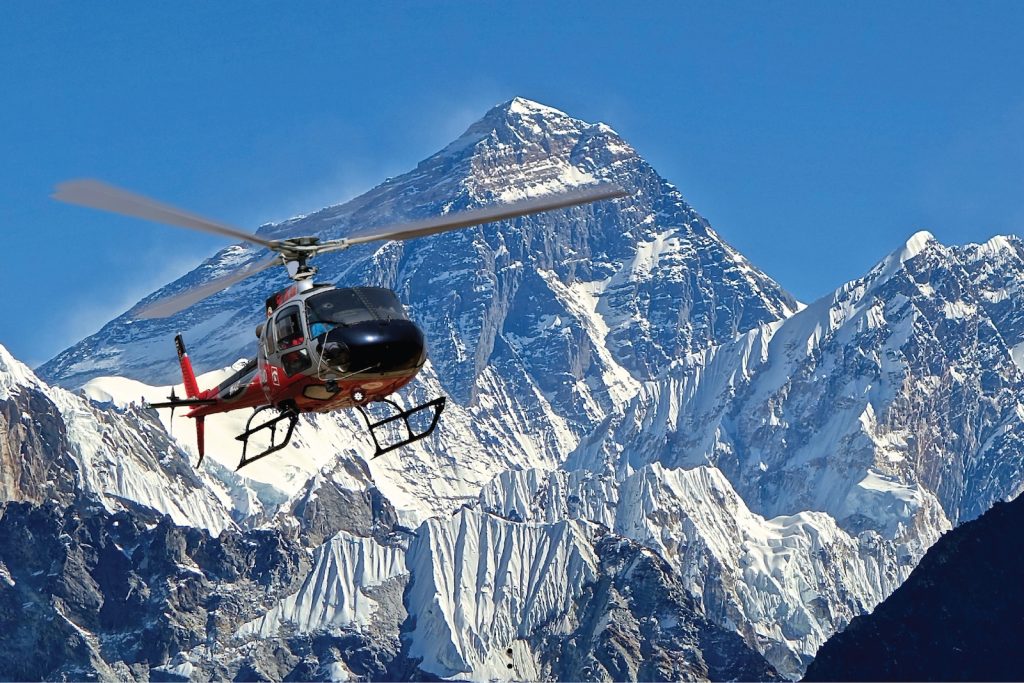
The 2026 Reality Check This isn’t just a story; it’s a major legal issue right now. As of early 2026, the Nepal Police have arrested 33 people involved in this organized fraud. This group included powerful business owners and hospital staff who were caught stealing nearly $20 million through these fake rescues. While the government is working hard to stop this, some “bad actors” are still out there.
How to Protect Yourself (The Fix) You don’t need to be a doctor to protect yourself. You just need to look for these three things:
- The Oximeter Test: A professional, honest guide will always carry a small device called an oximeter. They will clip it to your finger to check your oxygen levels and heart rate. If a guide tells you to call a helicopter without checking your vitals first, be very suspicious.
- The “Safety First” Protocol: Real altitude sickness is serious, but it is often solved by walking to a lower village and drinking water. An honest guide will try these steps before calling for a pilot.
- Trust Your Gut: At Hike Nepal Trek, we believe your health is more important than any commission. We use data and 10 years of experience to decide if you need a rescue.
A real guide leads with facts and care, not with fear. If you feel pressured to fly when you only feel a little tired, take a deep breath and ask for a second opinion.
Arrival Tricks: Navigating the Airport and Taxis
Your adventure begins the moment you step off the plane at Tribhuvan International Airport (TIA). However, the first few minutes can be the most overwhelming. Here is how to handle the “welcome” at the arrivals gate.
The Airport Shuffle As soon as you walk out with your luggage, you will see many people offering to help. Some may even grab your trolley or bags without asking. They often look like official staff, but they are “freelance porters” looking for a tip.
Even if they say the help is “free” or they are “just being friendly,” they will expect a large tip once you reach your taxi.
- The Fix: Hold onto your bags firmly and say a polite but clear “No, thank you” (or “Nai, dhanyabad” in Nepali). Only let someone touch your bags if they are your pre-arranged hotel driver holding a sign with your name.
The Taxi Trap Getting from the airport to your hotel in Thamel is where many visitors overpay. In 2026, the official rule is that taxis should use a digital meter, but many drivers will tell you the meter is “broken” or that there is “too much traffic” to use it.
If you get into a taxi without a set price, the driver might ask for a very high amount once you arrive at your hotel.
- The Best Way: Look for the “Pre-Paid Taxi” counter inside the airport. It costs a tiny bit more than a street taxi, but it is fixed, safe, and you get a receipt. Or, even better, ask to your hotel to send a trusted driver to meet you.
Pro Tip: If you do take a street taxi, always agree on the price before you put your bags in the trunk. This keeps you in control of your money from the very start.
Street Life: Avoiding “Information Hunters” and Fake Blessings
Walking through the vibrant streets of Kathmandu is an amazing experience, but it is also where most “small” scams happen. These aren’t dangerous, but they can be annoying and cost you extra money.
The “Free Information” Hunter
While many Nepalese people are genuinely friendly and just want to practice their English, be careful of those who approach you with “free” advice.
- The Trick: A person might walk with you and offer to show you a “secret temple” or a “hidden local festival.” Eventually, they will lead you into a specific Thangka painting school or a pashmina shop.
- The Hidden Cost: These shops pay a high commission to the person who brought you there. This means the price of the item you buy is often doubled to cover that “finder’s fee.” If you want to shop, it is better to go on your own or ask a trusted local at your hotel for a recommendation.
Religious Sites and “Aggressive” Blessings
At famous spots like Pashupatinath or Swayambhunath (the Monkey Temple), you will see Sadhus (Holy Men) in colorful robes.
- The Scam: Some may walk up to you and quickly put a tika (red powder) on your forehead or tie a yellow thread around your wrist before you can say no. Immediately after, they will demand a “donation,” often asking for a high amount like 500 or 1,000 Rupees.
- How to Handle It: If you don’t want a blessing, keep your hands in a “Namaste” position and keep walking. If you do want a photo or a blessing, agree on a small tip (50–100 Rupees is plenty) before it happens.
Nightlife and the “Massage” Trap
Thamel has a great nightlife, but you must stay alert after dark.
- The Massage Offer: You will often be approached by people whispering “massage?” or “spa?” on dark corners. These are almost always unlicensed, “shady” places that may involve theft or other illegal activities.
- The Fix: Only use registered, bright, and professional spas. If a place doesn’t have a clear reception area and a printed price list, walk away.
- Illegal Substances: You may be offered hashish or other drugs on the street. Avoid this at all costs. In Nepal, the laws are very strict, and these “dealers” often work with corrupt people to set up a “police trap” where you are forced to pay a massive bribe to avoid jail.
Pro Tip: Real kindness in Nepal doesn’t come with a price tag attached. If someone is being too pushy, a polite but firm “No” is always respected.
Shopping & Souvenirs: Avoiding the “Guide’s Cut”
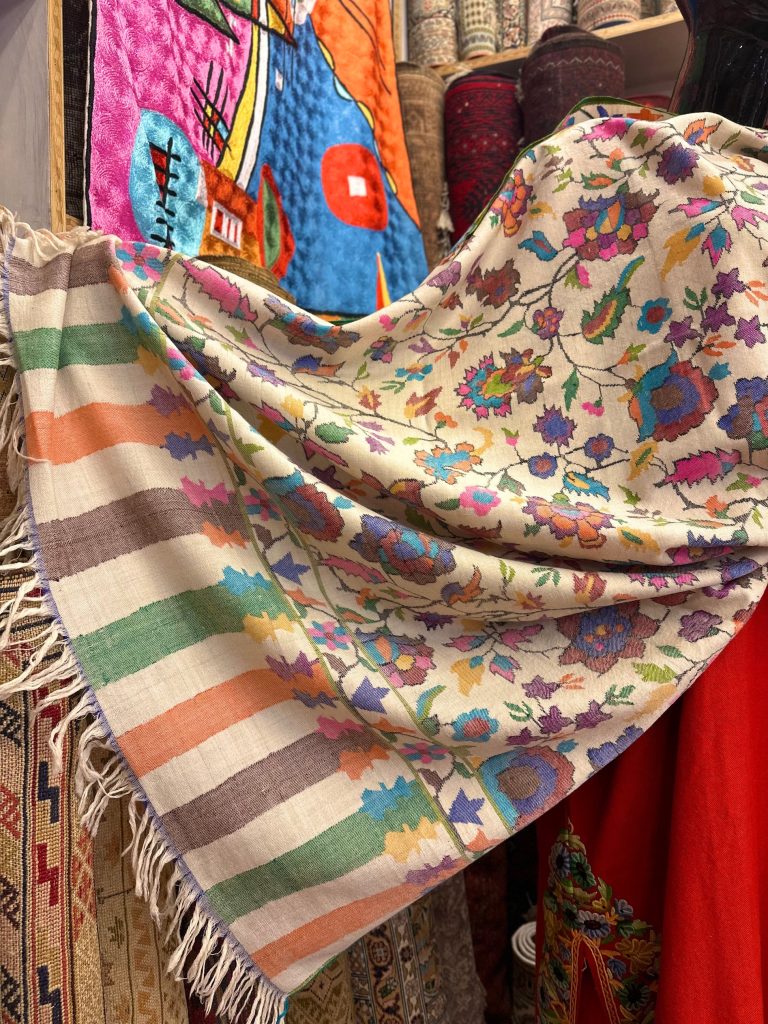
Kathmandu is a treasure trove of beautiful crafts—from singing bowls to soft pashminas. However, the price you see on the tag isn’t always based on the item’s value. Often, it is based on who brought you into the shop.
The “Guide’s Cut” (Commissions)
Many travelers don’t realize that some freelance guides make more money from shopping than they do from their daily wages.
- The Scam: A guide might insist on taking you to a “special” or “government-approved” shop for your souvenirs. They might tell you it is the only place to get “real” silk or silver.
- The Reality: In these cases, the shop owner often pays the guide a commission of 30% to 50% for bringing you in. To cover this cost, the shop doubles the price for you.
- The Fix: If a guide is being very pushy about one specific shop, it’s a red flag. Tell them, “I want to explore a few different shops on my own first.”
How to Haggle Fairly (Without Overpaying)
Bargaining is part of the culture in Nepal, but you should always do it with a smile. It should be a friendly conversation, not a fight.
- The “Water Test”: The first price a vendor tells you is often a “test.” In tourist areas like Thamel, you can usually aim to pay about 30% to 40% less than the opening price.
- Shop Around First: Before you buy something big, like a Thangka painting or a singing bowl, visit 3 or 4 different shops to understand the average investment. This gives you the confidence to know what a “fair” price actually looks like.
- The “Walk Away” Power: If a price feels too high, politely say thank you and start to walk out. Very often, the seller will call you back with their “last and best” price.
Pro Tip: If you want to support local artists directly, visit the workshops in Patan or Bhaktapur. Buying directly from the person making the craft ensures your money goes to the artist, not a middleman’s commission.
The “Free” Trekking Myth & Illegal Operators
In 2026, you might see advertisements for “Free Trekking” or packages that are unbelievably cheap—sometimes under $500 for a 14-day trek to Everest. As an operator with 10 years of experience, I must tell you: there is no such thing as a free trek.
The Danger of “Too Cheap”
If an agency offers a price that doesn’t even cover the basic cost of food, permits, and a guide’s salary, they are not being generous. They are planning to make their money in other ways.
- The Insurance Scam: As we mentioned, these operators often plan to force a “fake rescue” to claim thousands of dollars from your insurance.
- Corner Cutting: They save money by hiring unlicensed “guides,” not providing warm clothes or insurance for their porters, and using the lowest-quality tea houses. This puts your safety at high risk.
The 2026 “No Guide” Law
It is also important to know that as of early 2026, Nepal has fully enforced the “No Guide, No Trek” policy.
- Strict Enforcement: Checkpoints now use digital QR scanners to verify your permits and your guide’s license.
- The Risk: If you book with an illegal, unregistered operator, your permit will be rejected at the first gate. You could be fined and sent back to Kathmandu, losing your entire investment.
How to Check the License
Before you send any money, perform a “Safety Audit” on the agency. A legitimate company must be registered with several government bodies. Don’t be afraid to ask for their registration numbers:
- Nepal Tourism Board (NTB): Every legal agency must have a license from the NTB to issue trekking permits.
- TAAN (Trekking Agencies’ Association of Nepal): This is the main body for trekking operators. You can verify a company’s membership on the official taan.org.np website.
- Company Registrar & Tax Office (VAT/PAN): A real business pays its taxes and is officially registered with the government.
The Fix: A professional agency like Hike Nepal Trek will always provide you with a clear, transparent breakdown of your costs. We don’t hide fees, and we don’t use “free” as a bait. We believe in fair wages for our staff and total safety for our guests.
Money & Online Safety: Protecting Your Wallet
In the digital age of 2026, paying for a trek should be easy, but it is also a place where many travelers make mistakes. Here is how to keep your money safe before and during your trip.
Credit Cards and the “Extra 4%”
In Nepal, most trekking agencies and hotels (including us) accept Visa and MasterCard. However, there is a technical detail many visitors don’t know.
- The Surcharge: Banks in Nepal typically charge a 3% to 4% merchant fee on credit card transactions.
- The Scam: Some dishonest shops might try to charge you 10% or more, claiming it is a “government tax.”
- The Fix: Always ask, “Is there a card surcharge?” before you swipe. When you do pay, always check the screen on the POS machine to ensure the number of zeros is correct before you tap your card or enter your PIN.
Booking Online: Don’t Send the “Whole Trip Cost”
We often see travelers who are excited to book their dream trek and send 100% of the payment months in advance to a person they met on WhatsApp or social media.
- The Risk: If you send the full amount to an unverified individual, you have no protection if they disappear or if the “company” doesn’t actually exist.
- The Safe Way: A professional, registered agency will typically only ask for a 20% to 25% deposit to secure your flights, permits, and guide. The remaining balance should be paid when you arrive in Kathmandu.
- Verify the Account: Never send money to a personal bank account. Ensure the bank account name matches the Official Registered Name of the trekking company.
WhatsApp and Social Media Safety
While WhatsApp is great for chatting, it is not a secure place for financial contracts.
- The Fix: If an operator refuses to send you an official invoice or an email from a company domain, be careful. An honest operator with 10 years of experience (like myself) will always provide a clear, written agreement.
Pro Tip: For the best experience, carry a mix of payment methods. Use your card for the main investment (your trek and hotel) but keep cash (Nepali Rupees) for small purchases like tea, snacks, and tips on the trail.
Essential Tips to Avoid Scams (The “Cheat Sheet”)
To make your trip to Nepal as smooth as possible, here is a quick summary of my top safety tips. Feel free to screenshot this list on your phone so you can check it whenever you feel unsure.
- Trust the Data, Not the Fear: If a guide says you need a helicopter, ask to see your oxygen levels on an oximeter first.
- The “Airport No”: Politely refuse anyone at the airport who tries to grab your bags unless they are your pre-arranged driver.
- Agree Before You Go: Always set a price for taxis or “spontaneous” tours before you start the journey.
- Check the TAAN License: Only book with agencies that can show you a valid registration with the Trekking Agencies’ Association of Nepal (taan.org.np).
- Say No to Street Drugs: Avoid any offers of illegal substances; they are often a setup for a police bribe scam.
- Donations Over Handouts: Instead of giving money to street children (which keeps them out of school), donate to a registered local charity or school.
- Verify the Deposit: Never pay the whole trip cost upfront. A 20–25% deposit to a registered company bank account is the standard.
My 2026 Sustainability Tip:
Buy a UV Filter Bottle (or SteriPEN): In 2026, many parts of the Everest and Annapurna regions have banned plastic bottles to protect the environment. Instead of buying expensive “safe” water every day—which costs more the higher you go—bring a reusable bottle with a UV filter. It is a one-time investment that saves you money, protects your stomach, and keeps our mountains clean.
Your Adventure, Protected
Nepal is a magical place, and the vast majority of people here are honest, hardworking, and incredibly welcoming. By knowing these common “tricks,” you can travel with confidence instead of worry.
As a business owner who has spent over a decade in these mountains, my goal at Hike Nepal Trek is simple: to provide a safe, ethical, and honest base for your Himalayan dreams.
Have questions about a specific trek or want to check if a deal you found is real? Send us a message on WhatsApp https://wa.me/9779862791496 or visit us in Thamel. We are here to make sure your only surprise in Nepal is how beautiful the sunrise looks over the peaks.