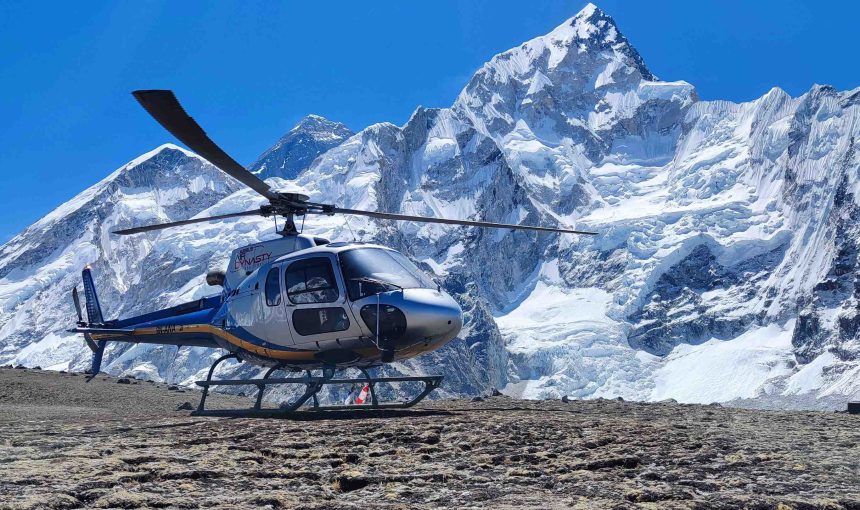
Yes, trekking insurance in 2026 covers helicopter evacuation, but only if your policy explicitly includes “Emergency Heli Rescue” and covers altitudes up to at least 6,000 meters. In 2026, the Nepal Tourism Board and local authorities have made valid insurance a mandatory requirement for obtaining TIMS cards and trekking permits. Standard travel insurance often fails here because it typically caps coverage at 3,000 meters, which does not even cover the base of most Himalayan trails.
The Reality at 4,410 Meters
During a Dingboche acclimatization hike last spring, one of our trekkers felt perfectly fine at breakfast but suddenly became disoriented by noon. Our guide immediately recognized the early signs of HAPE (fluid in the lungs) and checked the trekker’s insurance—luckily, they had a high-altitude policy. Within 45 minutes, a helicopter was on the way; without that specific “6,000m + Heli Rescue” clause, they would have faced a personal bill of nearly $10,000 before the rotors even started turning.
Table of Contents
Why 2026 Trekking Insurance is Different
In 2026, rescue operators and hospitals in Kathmandu have tightened their requirements. Helicopters will rarely take off unless your insurance company provides a “Guarantee of Payment” (GOP) or you have the cash ready.
What your 2026 policy MUST include:
- Helicopter Evacuation: Must be listed as “Air Ambulance” or “Emergency Mountain Rescue.”
- Altitude Limit: It must cover you up to at least 6,000 meters.
- Acute Mountain Sickness (AMS): Ensure illness related to altitude is not an “exclusion.”
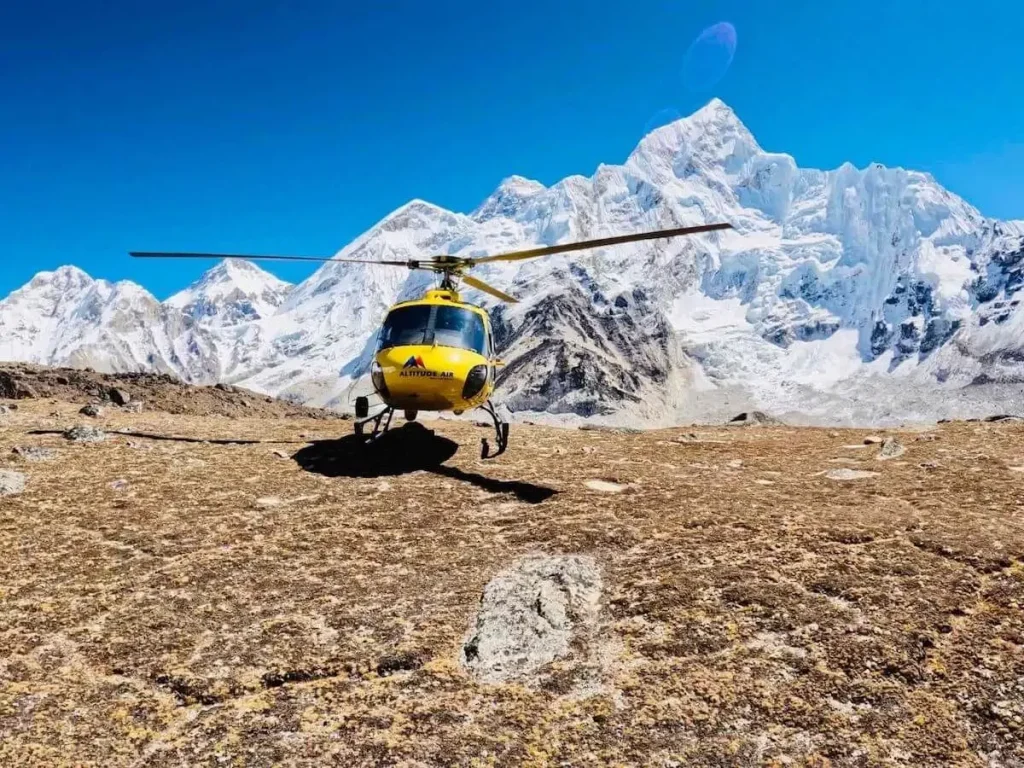
Rescue From Kalapattar
Comparing Your Adventure: EBC vs. ABC Insurance Needs
When planning your 2026 trek, your insurance “investment” depends on where you are going. Here is a quick breakdown:
| Feature | Everest Base Camp (EBC) | Annapurna Base Camp (ABC) |
| Max Altitude | 5,364m (EBC) / 5,550m (Kala Patthar) | 4,130m (ABC) |
| Typical Duration | 12–14 Days | 7–10 Days |
| Difficulty Level | Strenuous (High Altitude) | Moderate |
| Heli-Rescue Risk | High (Common for Altitude Sickness) | Medium (Usually for injuries) |
| Insurance Req. | Must cover up to 6,000m | Should cover up to 4,500m |
The 5-Point Insurance Checklist Before You Pay
Before you hit “Buy” on that policy, open the Full Policy Wording and search for these five specific things. If these aren’t there, your claim might be rejected in the Himalayas.
- The “Medical Guarantee” Clause: Does the company coordinate directly with hospitals in Kathmandu? In 2026, clinics like CIWEC and Mediciti prefer insurers that provide a “Guarantee of Payment” so you don’t have to pay out of pocket.
- Adventure Sports Rider: “Trekking” is often considered an adventure sport. Make sure “Trekking up to 6,000m” is explicitly checked.
- Search and Rescue vs. Medical Evacuation: “Search and Rescue” is for when you are lost. “Medical Evacuation” is for when you are sick/injured. You need both.
- The “Alcohol Exclusion”: Most policies are void if you have alcohol in your system. Even one beer at a tea house can cancel your $10,000 helicopter coverage.
- Pre-Existing Conditions: If you have asthma or a heart condition, ensure it’s disclosed. High altitude puts extreme stress on the body.
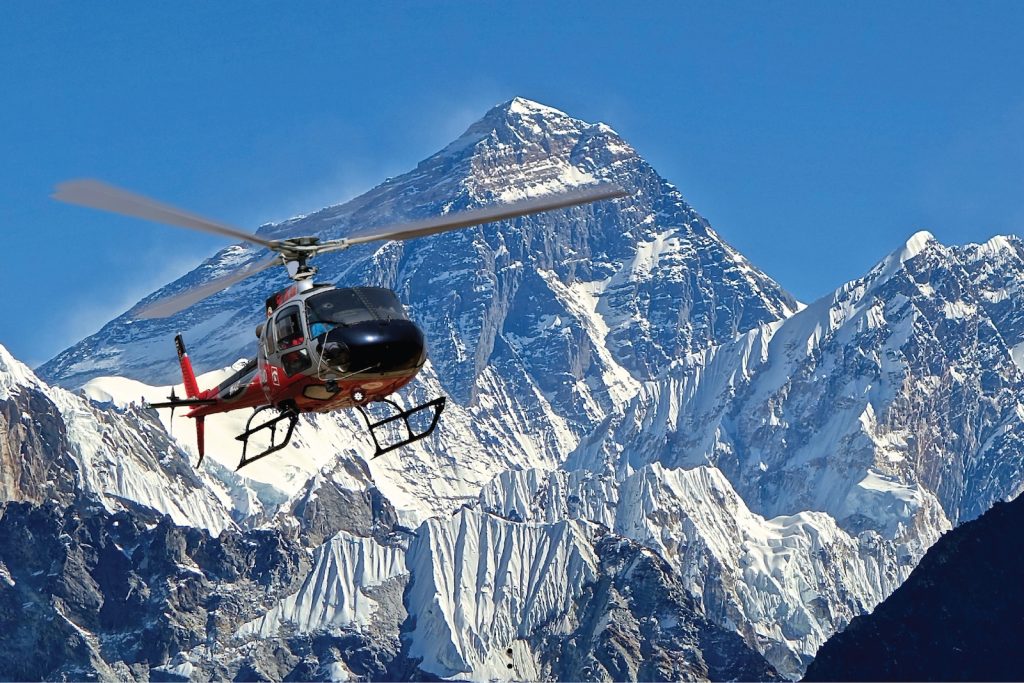
How to File a Claim in Nepal: Step-by-Step
If an emergency happens, follow this 2026 protocol used by our guides at Hike Nepal Trek:
- Step 1: Contact the 24/7 Hotline Immediately. Your insurer needs to “authorize” the helicopter flight before it takes off.
- Step 2: Get the “Fit to Fly” Note. Ensure the local health post or your guide provides a written statement about your symptoms (AMS, injury, etc.).
- Step 3: Keep Every Receipt. From the $5 bottled water for hydration to the $200 doctor consultation—save every paper receipt!
- Step 4: The Police Report. If you are claiming for lost gear, you must get a report from the Tourist Police in Kathmandu or Pokhara.
- Step 5: Follow-Up Daily. Have your trekking agency (us) stay in constant contact with the insurer to speed up the paperwork while you recover.
Recommended 2026 Insurance Providers
Note: We do not receive commissions from these companies; these are simply the ones our clients have had the most success with:
- World Nomads: Best for “Standard” adventure travelers (Choose “Explorer” plan).
- Global Rescue: The gold standard for “No-Questions-Asked” extractions.
- IMG Global: Excellent for high-altitude medical coverage.
- True Traveller: Highly recommended for UK and European trekkers.
The Real Price of Being Uninsured in 2026
If you choose to ignore these requirements, a single emergency can become a massive financial burden.
- Heli Charter: $3,000 – $7,000 depending on the region.
- Hospital Deposit: $2,000+ for international-standard clinics in Kathmandu.
- Permit Denial: In 2026, checkpoints will verify your insurance. No insurance = No entry.
Pro-Tip from the Trail: Always send a copy of your insurance certificate to Hike Nepal Trek before you start. We keep it on file so we can launch a rescue immediately if every minute counts.
Free Your Adventure Quote!
Planning your 2026 journey? We help you verify your insurance and handle all permit paperwork so you can trek with peace of mind.
Need a quick answer? Our team is available 24/7 on WhatsApp to explain the 2026 insurance rules or check if your current policy is sufficient for your chosen route.
👉 [Chat with us on WhatsApp: +977 9862791496]
Will insurance pay for a helicopter if I just want to skip the walk back?
No. Insurance only covers medically necessary evacuations. If you use a helicopter because you are tired or behind schedule, the insurance company will likely deny the claim, and you will have to pay the full price yourself.
Can I buy insurance after I arrive in Kathmandu?
It is possible, but not recommended. Many reputable international providers (like World Nomads or Global Rescue) require you to purchase the policy before you leave your home country. Buying it late can result in a 48-72 hour waiting period before the coverage actually starts.
Does my standard “Travel Insurance” from my bank cover me?
Usually, no. Most standard bank or credit card insurance policies cap their coverage at 2,500m or 3,000m. Since most Nepal treks go above 4,000m, these policies become void the moment you step onto the higher trail. You must purchase a specific “Adventure” or “High-Altitude” rider.
Is trekking insurance mandatory for all routes in 2026?
Yes. Under the 2026 regulations, all trekkers must have a valid insurance policy to obtain the mandatory TIMS card and local permits. Checkpoints at the entrance of National Parks (like Sagarmatha or Annapurna) now regularly verify that your policy includes high-altitude coverage.
What is the average “investment” for a helicopter rescue without insurance?
If you are uninsured, a single helicopter evacuation in 2026 can cost anywhere from $3,000 to $10,000, depending on how remote you are. Most helicopter companies in Kathmandu will not even take off without a credit card deposit or an insurance guarantee.