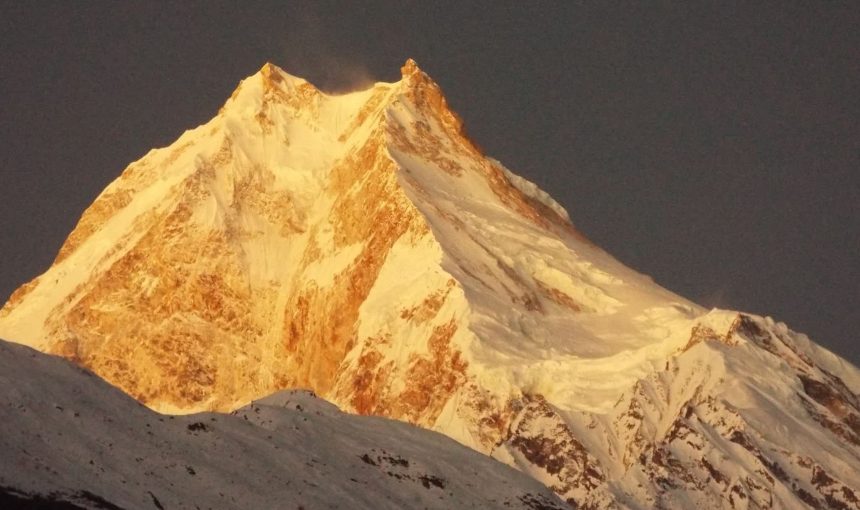
“Imagine standing at 5,106 meters on the Larkya La Pass, where the only sound is the snap of prayer flags in the wind and the distant crunch of snow under a yak’s hoof. For many, the crowded trails of Everest have lost their magic, which is why the Manaslu Circuit Trek has become the gold standard for adventurers seeking the raw, ‘untouched’ Nepal. As we look toward 2026, new trail improvements and upgraded teahouse comforts make this the perfect time to circle the world’s eighth-highest peak. Whether you are a seasoned high-altitude hiker or planning your first restricted-area adventure, this 2026 guide breaks down the essential costs, updated permit rules, and the perfect 14-day itinerary to conquer this Himalayan masterpiece.”
Table of Contents
Manaslu Circuit Trek: Quick Facts for 2026
Before diving into the daily details, here is a “snapshot” of what to expect on the trail. This information is essential for your permit applications and physical preparation.
| Feature | Details for 2026 |
| Duration | 12–14 Days (Standard) |
| Total Distance | Approx. 177 km (110 miles) |
| Max Altitude | 5,106m / 16,752ft (Larkya La Pass) |
| Trek Difficulty | Challenging / Strenuous |
| Mandatory Requirement | Licensed Guide (Solo trekking is strictly banned) |
| Permit Group Size | Minimum 2 Trekkers (to obtain the RAP) |
| Best Seasons | Autumn (Oct–Nov) & Spring (March–May) |
| Accommodation | Local Teahouses / Guest Houses |

Manaslu Trek Permits & Regulations: 2026 Update
Navigating the legal requirements is the most critical part of your planning. Because Manaslu borders Tibet, the Nepalese government requires three (sometimes four) different entry documents. You cannot apply for these yourself; they must be processed by a registered trekking agency.
1. Manaslu Restricted Area Permit (RAP)
2. Manaslu Conservation Area Permit (MCAP)
3. Annapurna Conservation Area Permit (ACAP)
4. Chumnubri Rural Municipality Local Fee
Critical Rules for 2026
- The “Group of Two” Rule: To obtain the Restricted Area entry, the government requires a minimum of two trekkers in your party. If you are traveling alone, your agency will need to find a “partner” to fulfill this legal requirement.
- Mandatory Guide: It is strictly prohibited to trek the Manaslu Circuit without a licensed Nepalese guide. Checkpoints in villages like Jagat and Samagaon are very diligent about verifying your guide’s credentials.
- Required Documents: To process these, you must provide your agency with a scanned copy of your Passport, your Nepal Visa, and two digital passport-sized photos.
Conquering the Larkya La Pass
If the Manaslu Circuit is a symphony, then the Larkya La Pass is its thunderous crescendo. Reaching an elevation of 5,106m (16,752ft), this is officially the Manaslu trek highest point and the ultimate test of your endurance.
The “Pass Day” Experience: The 3:00 AM Call
Crossing the pass is not just a hike; it is a tactical mission. Your day begins in the freezing dark of Dharmasala (Larkya Phedi).
- The Early Start: You will likely wake up at 3:00 AM to begin trekking by torchlight.
- The Reason: Starting this early is essential to beat the high-altitude winds that lash the pass after midday.
- The Climb: The ascent from Dharmasala is a steady, rhythmic grind over moraine and rocky ridges. In the quiet of the pre-dawn hours, the only sound is your breath and the crunch of frosted gravel.
A Panoramic Reward
As the first light of dawn hits the peaks, the physical struggle vanishes, replaced by a 360-degree theater of giants. Standing at the Larkya La Pass altitude of 5,106m, you are treated to a view that few people on earth will ever see:
- To the North & West: The massive wall of Himlung Himal (7,126m) and the jagged ridges of Cheo Himal (6,820m).
- The Sentinel: The iconic Annapurna II (7,937m) stands guard over the horizon, leading the rest of the Annapurna massif.
- The Glaciers: Looking down, you’ll see the sprawling Larkya Glacier and the frozen “green lakes” that sit at the base of the peaks.
[!TIP]
Photography Secret: Don’t just take photos at the summit sign! Look back toward the Manaslu side as the sun rises—the “Golden Hour” light hitting the 8,000m peaks is the most valuable shot of your entire trip.
Beyond the Trail: Culture & Sacred Side Trips
The Manaslu region is a living museum of Tibeto-Burman culture. As you ascend, the Hindu-influenced lower valleys give way to ancient Buddhist traditions, where life revolves around monasteries, seasonal farming, and deep-rooted spirituality.
1. The “Hidden Valley” Add-on: Tsum Valley3
If you have an extra 6–8 days, the detour into Tsum Valley is highly recommended for 2026. Known as a Beyul (a sacred hidden valley of happiness), Tsum was closed to outsiders until 2008.
- The Vibe: It feels like stepping back in time. You’ll find the Mu Gompa, the largest monastery in the region, and Rachen Nunnery, where you can witness the daily lives of Buddhist nuns.
- Spirituality: This valley is famous for its non-violence policy—no animals are slaughtered here, contributing to its incredibly peaceful atmosphere.
2. Samagaun: The Hub for Acclimatization
Samagaun (3,530m) is the most significant village on the circuit. Most 2026 itineraries include two nights here to allow your body to adjust. Do not just sit in your teahouse; these two side hikes are essential for a successful pass crossing:
- Birendra Lake (3,691m): A stunning turquoise glacial lake just a 45-minute hike from the village. The water reflects the north face of Manaslu, making it a dream for photography.
- Manaslu Base Camp (4,800m): For those feeling strong, a hike to Base Camp offers a close-up view of the expedition tents and the massive icefall. Reaching this altitude and returning to Samagaun to sleep is the “secret” to beating altitude sickness later at the pass.
3. Tibetan Influence: Lho and Samdo
The villages of Lho and Samdo offer the most authentic glimpses into high-altitude Himalayan life.
- Lho Village: Famous for the Ribung Monastery, which sits on a hill overlooking the village. The golden roof against the backdrop of Mt. Manaslu is one of the most iconic sights of the trek.
- Samdo Village: This is the last inhabited settlement before the pass. The residents are descendants of Tibetan traders, and you will see extensive Mani walls (stones carved with the mantra Om Mani Padme Hum).
- Etiquette Tip: Always walk to the left of Mani walls and stupas, and spin prayer wheels in a clockwise direction to respect local tradition.
Packing Essentials for the Manaslu Circuit
In the Himalayas, the weather can change from a sunny 20°C in the valleys to a freezing -15°C at the pass within a few hours. The secret to staying comfortable is a three-layer system.
1. The Layering System
- Base Layer: 2–3 moisture-wicking thermal tops and bottoms (Merino wool is best). These pull sweat away from your skin so you don’t get a “cold chill” when you stop moving.
- Mid Layer (Insulation): A high-quality fleece jacket or a lightweight “puffer” jacket. This traps your body heat.
- Outer Layer (Shell): A windproof and waterproof hooded jacket. This is your shield against the biting winds of the Larkya La Pass.
- The “Big” Jacket: A heavy down insulated jacket is essential for the freezing evenings in Samdo and Dharmasala.
2. Footwear & Accessories
- Boots: Sturdy, waterproof trekking boots with high ankle support (ensure they are well broken-in before you arrive!).
- Head & Hands: A warm wool beanie, a sun hat, and two pairs of gloves (one light liner and one heavy waterproof pair).
[!TIP]
Pro-Tip: Power & Connectivity
Most teahouses on the Manaslu route now offer USB charging stations in the common dining area for a small fee (usually $2–$5$). However, solar power is unreliable on cloudy days. Bring a 20,000 mAh power bank to ensure your camera and phone never die before you reach the summit!
The Perfect 14-Day Itinerary (2026 Updated)
This schedule is designed for maximum safety, giving you two critical nights for acclimatization to ensure you conquer the Manaslu trek highest point successfully.
| Day | Route | Elevation | Highlight |
| 01 | Arrival in Kathmandu | 1,350m | Gear prep and permit processing. |
| 02 | Drive to Machha Khola | 930m | Scenic drive along the Budhi Gandaki River. |
| 03 | Trek to Jagat | 1,410m | Stone-paved village and entry checkpost. |
| 04 | Trek to Deng | 1,800m | Entering the steep river gorges. |
| 05 | Trek to Namrung | 2,630m | First views of the high snow peaks. |
| 06 | Trek to Lho | 3,180m | Exploring the majestic Ribung Monastery. |
| 07 | Trek to Samagaun | 3,530m | The heart of the Manaslu region. |
| 08 | Acclimatization Day | 3,530m | Hike to Birendra Lake or Base Camp. |
| 09 | Trek to Samdo | 3,860m | Last Tibetan village before the pass. |
| 10 | Acclimatization Day | 3,860m | Hike toward the Tibetan border. |
| 11 | Trek to Dharmasala | 4,460m | Base camp for the Larkya La crossing. |
| 12 | Cross Larkya La Pass | 5,106m | The Summit! Descend to Bhimthang. |
| 13 | Trek to Dharapani | 1,930m | Beautiful descent through pine forests. |
| 14 | Drive to Kathmandu | 1,350m |
Frequently Asked Questions (FAQ)
Planning a journey as remote as the Manaslu Circuit often comes with many questions. Here are the most common inquiries from trekkers for the 2026 season.
1. How difficult is the Manaslu Circuit Trek compared to EBC?
Most trekkers find Manaslu slightly more physically demanding than Everest Base Camp (EBC). While the maximum altitude is similar, the Manaslu trails are more rugged, involve more steep ascents/descents, and the region is far more remote with more basic facilities.
2. Can I trek Manaslu solo in 2026?
No. Government regulations for restricted areas strictly prohibit solo trekking. You are legally required to have at least two trekkers in your group and be accompanied by a licensed Nepalese guide.
3. When is the best month for the trek in 2026?
October and April are the gold-standard months. October offers the clearest skies and most stable weather, while April provides beautiful rhododendron blooms and warmer temperatures in the lower valleys.
4. Is there Wi-Fi and electricity on the trail?
Yes, but it is limited. Most teahouses up to Samdo offer electricity for a small fee and have “Everest Link” or similar Wi-Fi services. However, as you get higher, the connection becomes unreliable, and solar charging may fail in cloudy weather.
5. How should I train for the Larkya La Pass?
Start training at least 8–12 weeks before your trip. Focus on:
- Cardio: Running or cycling 3–4 times a week to improve lung capacity.
- Strength: Squats and lunges to prepare your legs for the 1,000m descent from the pass.
- Practice: Go on 5–6 hour weekend hikes with a weighted backpack to simulate trail conditions.
“Ready to stand in the shadow of the world’s 8th-highest peak? > The Manaslu Circuit is waiting for you in 2026. If you have questions about joining a group or finding the right guide, drop a comment below or send us a message—we’d love to help you plan your Himalayan adventure!”
Click here to Book your Manaslu Circuit Trek
Email ; hikenepaltrek@gmail.com