Introduction
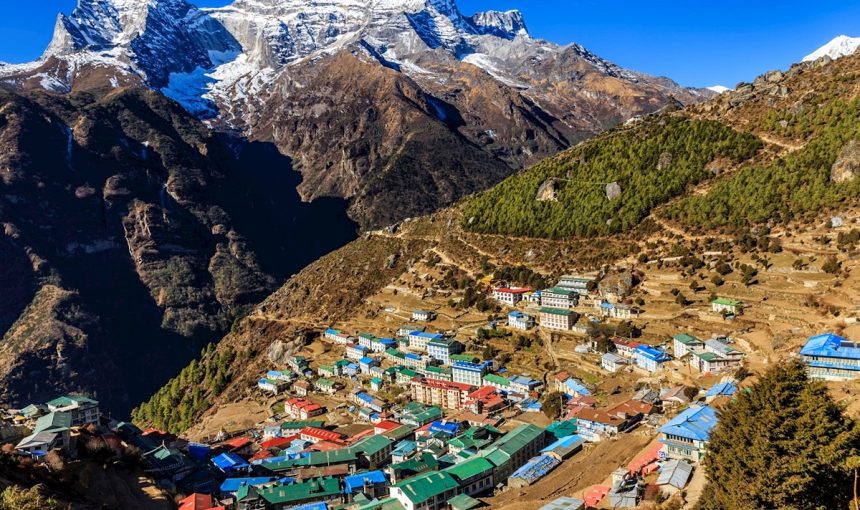
Imagine sitting in a small plane as it flies between giant, snow-capped mountains. You land on a tiny runway in Lukla, a town perched on the side of a cliff. As soon as you step outside, the crisp, cold air hits your face, and you realize you are finally at the gateway to the roof of the world Everest Base Camp Trek. This is where the adventure truly begins!
What exactly is the Everest Base Camp (EBC) trek? It is a famous walking journey in Nepal that leads you to the foot of Mount Everest, the tallest mountain on Earth. The total trip is about 130 kilometers (roughly 80 miles) long. You start at an altitude of 2,845 meters and walk all the way up to 5,364 meters. It usually takes about 12 to 14 days to walk there and back.
Why do people love this trek? People from all over the world come here for two main reasons. First, the sense of achievement is incredible. Knowing that you used your own two feet to reach the base of the world’s highest peak is a feeling you will never forget.
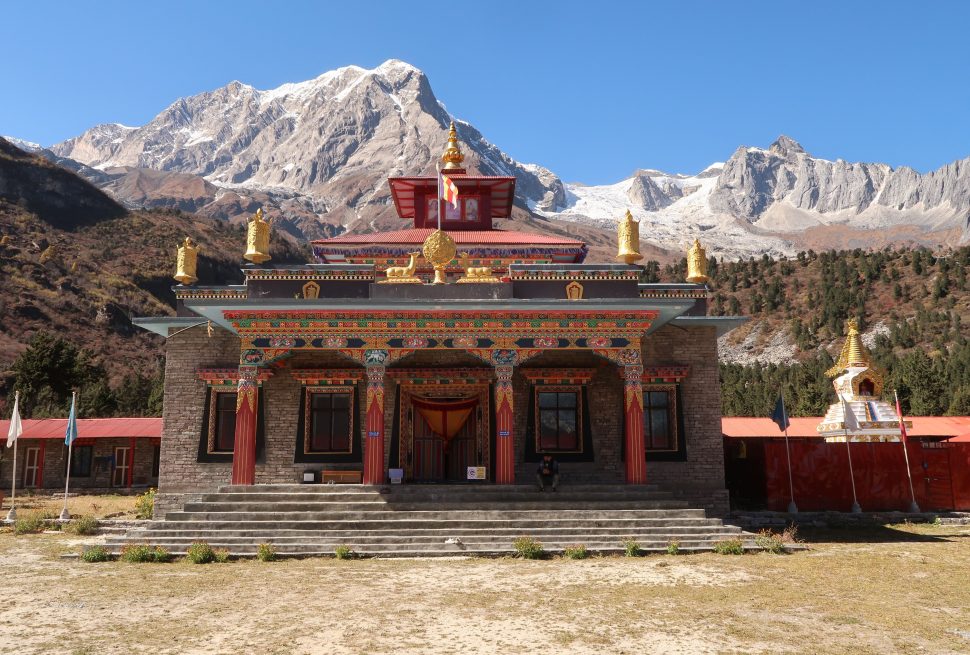
Second, it is a chance to experience the beautiful Sherpa culture. The Sherpa people are famous for their strength and kindness. Along the way, you will see ancient monasteries, colorful prayer flags, and friendly villages that have existed for hundreds of years.
It is a long walk, but every step brings you closer to the heart of the Himalayas.
Table of Contents
Everest Base Camp: Quick Facts
Before you start packing your bags, here are the most important things you need to know about the journey:
| Feature | Details |
| Time Needed | 12 to 14 days |
| Highest Point | 5,364m (Base Camp) or 5,545m (Kala Patthar) |
| Walking Level | Moderate to Hard (Lots of walking, no climbing) |
| Start & End | Lukla Airport |
| Best Months | March to May or September to November |
| Accommodation | Small mountain lodges (Teahouses) |
A Closer Look
How long does it take?
Most people spend about 12 to 14 days on the trail. This includes a few days of resting to help your body get used to the high altitude.
How high will you go?
The main goal is Everest Base Camp at 5,364 meters. However, many hikers also climb a small hill nearby called Kala Patthar. At 5,545 meters, it is the highest point of the trek and offers the very best view of Mount Everest’s summit.
Is it difficult?
You do not need to be a professional climber or use ropes. However, it is a hard walk. You will be hiking for 5 to 7 hours almost every day on rocky paths and steep hills. Being in good shape will help you enjoy the trip much more.
When should you go?
The best times are Spring (March to May) and Autumn (September to November). During these months, the sky is usually clear, and the views of the mountains are beautiful. The weather is also not too cold compared to the winter.
The 12-Day Everest Base Camp Journey
| Day | The Route | What Happens? |
| Day 1 | Lukla to Phakding | Land at the famous airport and start with an easy walk. |
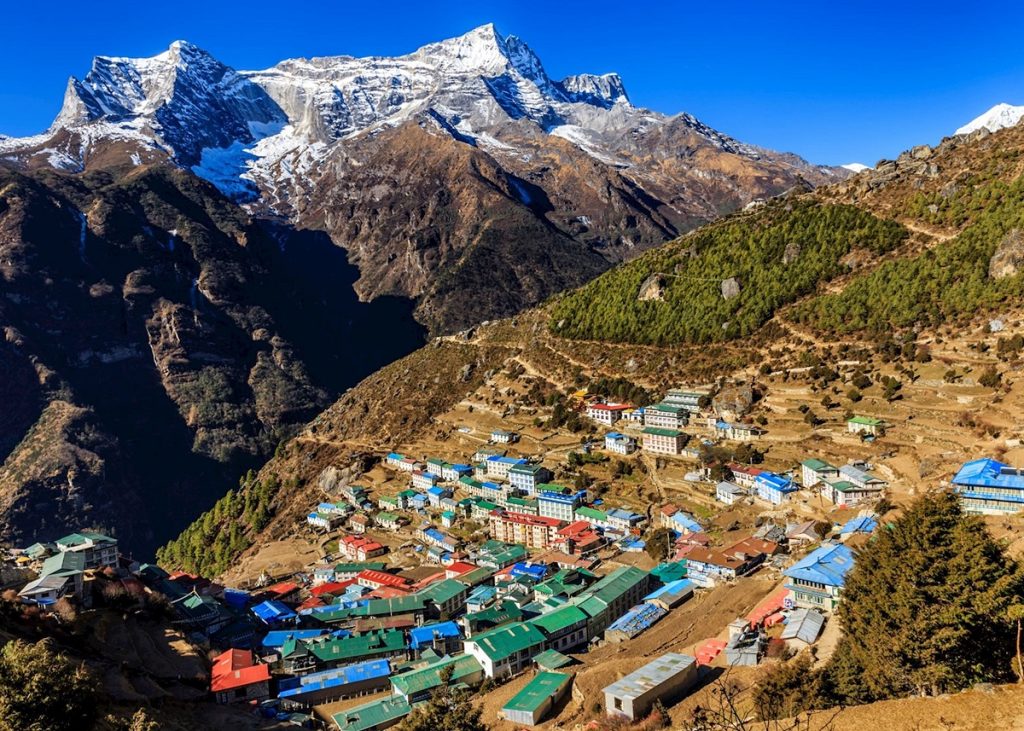
| Day 2 | Phakding to Namche | A steep climb to the main Sherpa town. |
| Day 3 | Rest Day in Namche | Hike to the “Everest View Hotel” to see the peak for the first time. |
| Day 4 | Namche to Tengboche | Visit the famous monastery and see the beautiful Ama Dablam mountain. |
| Day 5 | Tengboche to Dingboche | Walk into a wide valley where the trees disappear. |
| Day 6 | Rest Day in Dingboche | A short hike to a nearby hill to help your body adjust to the height. |
| Day 7 | Dingboche to Lobuche | Walk past the memorials of brave climbers near the Khumbu Glacier. |
| Day 8 | Base Camp Day! | Walk to Gorak Shep, then reach Everest Base Camp (5,364m)! |
| Day 9 | Kala Patthar & Pheriche | Climb a small hill for the best sunrise view, then start heading down. |
| Day 10 | Pheriche to Namche | A long walk back to the “capital” for a hot shower and good food. |
| Day 11 | Namche to Lukla | The final day of walking. Time to celebrate with your team. |
| Day 12 | Fly to Kathmandu | A short flight back to the city to finish your adventure. |
How to Get Ready for the Journey
1. Building Your Fitness
You don’t need to spend all day in the gym. The best way to get ready is to do simple cardio exercises for about 2 months before you leave.
- Walking: Go for long walks in your neighborhood. If you can find hills, even better!
- Stairs: Walking up and down stairs is the best way to make your legs strong for the mountain climbs.
- Swimming or Cycling: These help your heart and lungs get used to working hard.
2. Staying Safe: “Bistarai, Bistarai”
In Nepal, you will often hear the guide say, “Bistarai, Bistarai.” This means “Slowly, slowly.” When you are high in the mountains, the air has less oxygen. If you walk too fast, you might get “altitude sickness,” which makes you feel dizzy or sick. To stay safe:
- Walk slowly: Even if you feel strong, take your time.
- Drink lots of water: You should try to drink 3 to 4 liters of water every day. It helps your blood carry oxygen and keeps your body healthy in the thin air.
3. Permits (The “Entry Passes”)
To walk in this beautiful region, you need two official papers called permits. These help the local government take care of the trails and the nature around you.
- Khumbu Pasang Lhamu Rural Municipality Permit: This is for entering the local Everest region.
- Sagarmatha National Park Entry Permit: This is for the protected park where Mount Everest is located.
Your trekking guide can usually help you get these, but you should remember to have the funds ready to pay for them when you arrive.
Packing the right items can make the difference between a great trip and a difficult one. Since you have to carry your things (or have a porter help you), it is best to pack light but bring the essentials.
Here is a simple list of what you need to bring.
What to Pack: The Essential Gear List
1. Clothing (The Layering System)
The weather in the mountains changes quickly. It can be sunny in the afternoon and freezing at night. The best way to stay warm is to wear layers.
- Thermal Layers: Thin, tight clothes to wear under everything else. They keep your body heat inside.
- Warm Down Jacket: A thick, puffy jacket is a must-have for the cold mornings and evenings.
- Waterproof Pants and Jacket: In case it rains or snows, you need to stay dry to stay warm.
2. Footwear (For Your Feet)
Your feet are doing all the work, so take care of them!
- Hiking Boots: They must be “broken-in.” This means you should wear them for a few weeks at home before the trip so they don’t give you blisters.
- Wool Socks: Bring several pairs of thick wool socks to keep your toes warm and dry.
3. Trekking Gear
- 4-Season Sleeping Bag: The rooms in the lodges are not heated, so a very warm sleeping bag is necessary for a good night’s sleep.
- Trekking Poles: These help balance your weight and protect your knees when walking down steep hills.
- Headlamp: Most places have limited electricity, so a light on your forehead is very helpful for moving around at night.
4. Health and Protection
- Sunscreen and Lip Balm: The sun is very strong high up in the mountains. You can get a sunburn very easily, even if it feels cold.
- Water Purification Tablets: Instead of buying plastic bottles, use these tablets to make the local water safe to drink.
- Personal First Aid: Bring simple things like band-aids for blisters and medicine for headaches.
A Note on the Investment:
High-quality gear like boots and jackets can be a bit of an initial investment, but they are very important for your safety and comfort. If you don’t want to buy everything, you can also rent items like sleeping bags and down jackets in Kathmandu for a small daily amount.
Living and Eating on the Trail
1. Staying in “Teahouses”
During the trek, you will stay in small, mountain hotels called teahouses.
- The Rooms: These are usually small and simple with two single beds. They do not have heaters, which is why your warm sleeping bag is so important.
- The Bathrooms: Most bathrooms are shared with other hikers. In the higher villages, you might have to pay a small amount for a hot shower, as wood and gas are hard to find so high up.
- The Common Room: This is the heart of the teahouse. There is usually a big stove in the middle to keep everyone warm. It is the best place to meet other travelers and share stories.
2. What to Eat for Energy
The food in the mountains is fresh and made to give you strength.
- Dal Bhat: This is the most famous meal in Nepal. It is a big plate of rice, lentil soup, and vegetables. The best part? You can always ask for more! It is the perfect energy food for a long day of walking.
- Garlic Soup: Many hikers eat this because it is believed to help your body adjust to the high altitude.
- Ginger Tea: A hot cup of ginger tea is great for warming up your body and settling your stomach.
3. Drinking Water Wisely
Staying hydrated is the secret to reaching Base Camp safely. However, how you get your water matters.
- Avoid Plastic Bottles: It is very hard to move trash out of the mountains. Buying plastic water bottles creates a lot of waste that hurts the environment.
- Use Filters or Tablets: It is better to fill your own reusable bottle from the taps and use water purification tablets or a filter. This keeps the mountains clean and saves you a lot of money over the 12-day trip.
NOTE
The amount of money you spend on food and snacks will go up as you get higher. This is because every egg, bag of flour, and tea leaf has to be carried up the mountain by a person or a yak!
Tipping: A Thank You to Your Team
In Nepal, tipping is a standard way to show your gratitude to the people who helped you reach the base camp. While it is not a rule, it is very much expected because guides and porters work very hard in difficult conditions.
- How much to tip? A good guideline is to set aside about 10% to 15% of your total trek price for tips.
- The Guide: Since they manage your safety and explain the culture, they usually receive a slightly higher tip (around $150–$200 per group).
- The Porter: They carry your heavy bags so you can walk freely. It is common to tip them around $60–$100 per trekker.
- When to tip? The best time to give the tips is on your last night in Lukla, during a “farewell dinner” where you say goodbye to your team.
“Cash is King.” Once you leave Namche Bazaar, there are no working ATMs. It is important to carry enough local currency (Nepali Rupees) to pay for small extras like hot showers, charging your phone, or buying a warm Snickers bar!
Frequently Asked Questions (FAQ)
1. Is the Everest Base Camp trek dangerous for beginners? The trek is not “dangerous” if you are prepared. There is no technical climbing or hanging from ropes involved—it is simply a long, high-altitude walk. The main challenge is the thin air. As long as you walk slowly and listen to your guide, most beginners can finish the trip safely.
2. Can I do the trek without a guide? Starting in 2023, the rules in Nepal have become stricter. While some people still try to go alone, it is highly recommended (and often required) to have a licensed guide. They handle your permits, find you a bed in busy teahouses, and most importantly, they know how to keep you safe if you feel sick.
3. Is there Wi-Fi and electricity on the trail? Yes, but it is different from home.
- Electricity: Most lodges have solar power. You can pay a small amount to charge your phone or power bank in the common room.
- Wi-Fi: You can buy a “Everest Link” card in towns like Namche Bazaar. It works in most villages, but it can be slow when many people are using it at the same time.
4. What happens if I get sick? If you feel a headache or nausea, you must tell your guide immediately. Usually, resting or walking down to a lower village is enough. In serious cases, your guide will coordinate a helicopter to fly you back to a hospital in Kathmandu. This is why having good travel insurance is essential.
5. Is the water safe to drink? You should never drink water straight from the tap or the river. Always use your water purification tablets or a high-quality filter. This keeps you healthy and protects the mountains from plastic bottle waste.
Is it Worth It?
The journey to Everest Base Camp is more than just a hike. It is a test of your strength and a chance to see the most beautiful place on our planet. Even though the total financial plan requires some saving, the memories you make under the giant peaks are something you will keep forever.
Don’t wait for the “perfect” time—start your training today and get ready to stand at the base of the world’s highest mountain!
For More Details +977-9862791496