Trekking in Nepal is the ultimate mountain experience for hikers around the world. Discover the ultimate guide to trekking in Nepal, where you will learn about iconic routes, 2026 permit rules, and expert tips for a safe Himalayan journey. The country is home to legendary trails like the classic route to Everest Base Camp, as well as quiet, untouched paths like the Manaslu Circuit. Whether you want a short 5-day walk through beautiful local villages or a challenging 20-day trek across high mountain passes, a successful journey comes down to three things: a smart packing list, the correct 2026 mountain permits, and a reliable local team.
Planning a trek to the highest peaks on earth is incredibly exciting, but handling all the paperwork and logistics on your own can be difficult. When you choose to travel with a registered local agency, you do not have to worry about the stressful details. Our professional team takes care of everything for you behind the scenes. We secure your official entry permits, arrange safe transportation, and book the best available tea houses. Most importantly, we provide licensed local guides and mountain porters who keep you safe, share their deep cultural knowledge, and manage your entire trip smoothly from start to finish.
Table of Contents
Navigating Nepal’s 2026 Trekking Regulations & Safety Policies
Staying safe and following the local laws is the most important part of preparing for your journey. Over the last year, the government of Nepal and local tourism boards have updated several rules to protect hikers and preserve the mountain environments. If you are planning an adventure for the 2026 season, here is exactly what you need to know before you lace up your boots.
The Mandatory Guide Policy
To ensure high safety standards and create sustainable jobs for the mountain communities, Nepal requires hikers to travel with a licensed professional on most major routes. Walking alone without a professional companion is no longer permitted in protected national parks and conservation zones. Hiring an authorized guide means you have someone who understands altitude illness, monitors the daily weather changes, and knows the terrain perfectly, ensuring your trek goes smoothly without any unexpected safety issues.
Restricted Area Permit Updates
If you want to explore rugged, protected regions like the Manaslu Circuit, Upper Mustang, or Nar Phu, you must obtain a special Restricted Area Permit. These unique trails are strictly monitored to protect local cultures and wild environments. Solo travelers cannot apply for these documents on their own. These permits are exclusively issued to registered local trekking agencies. To visit these controlled areas, you must book your journey through an official operator who will process the paperwork and assign the required crew for your expedition.
Digital TIMS & Regional Entry Changes
Nepal has modernized its trail checkpoint system, making paperwork a thing of the past. Traditional paper entry cards have been replaced with a fast, modern digital tracking system. In major destinations like the Annapurna and Khumbu (Everest) regions, checkpoints now use digital entry systems and quick QR codes. When you travel with an authorized agency, your team registers your details digitally beforehand. This allows local authorities to track hiker safety in real-time during bad weather and makes passing through mountain checkpoints quick and stress-free.
Note for Travelers: All official 2026 clearances, restricted region papers, and digital registration codes must be arranged before you leave Kathmandu. Contact our office today to ensure all your mountain paperwork is handled correctly and legally.
Here is the fully detailed breakdown for “The Core Hub: Major Trekking Regions of Nepal” section. It explicitly lists the standard routes for each major region, introduces exceptional hidden trails, and maintains a highly scannable, human-style tone.
Major Trekking Regions of Nepal
Nepal is home to the highest mountain ranges on earth, offering incredibly diverse landscapes, cultures, and trails. Whether you want to see the world’s tallest peaks up close or walk through untouched medieval villages, there is a perfect route for your fitness level. Below are the primary trekking areas in Nepal and what makes each of them completely unique for the 2026 season.
1. The Everest Region (Khumbu Wilderness)
The Khumbu region is the legendary home of Mount Everest and the vibrant Sherpa culture. Walking here takes you past historic monasteries, high-altitude suspension bridges, and dramatic viewpoints.
- Standard Popular Routes:
- Everest Base Camp (EBC) Trek: The ultimate classic 12-to-14-day journey to the base of the world’s highest peak.
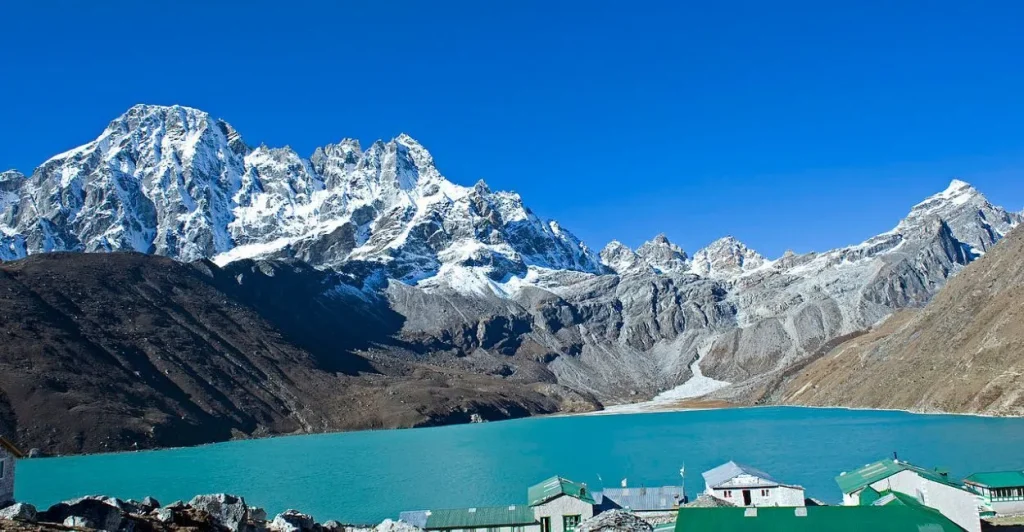
- Gokyo Lakes & Gokyo Ri Trek: A stunning alternative to EBC that features six pristine, turquoise glacial lakes and panoramic views of four 8,000-meter peaks.
- Everest Three High Passes Trek: An epic, challenging loop for experienced hikers crossing Renjo La, Cho La, and Kongma La.
- The Hidden Gem — Pikey Peak Trek: If you want spectacular views of Mount Everest without the massive crowds or the need to take the adventurous flight to Lukla, this is a beautiful lower-altitude secret. Lasting just 4 to 6 days, it wanders through quiet Sherpa settlements and rhododendron forests, leading to a ridge crest that Sir Edmund Hillary himself called his favorite view of Everest.
- 👉 Plan your journey: [Read our full guide on Everest Base Camp Trek Logistics & Itinerary.]
2. The Annapurna Region (Diverse Landscapes)
The Annapurna area is famous because the scenery changes completely every single day. You will start your walk in lush, green subtropical forests, hike through deep river canyons, and eventually cross high mountain passes into alpine terrain.
- Standard Popular Routes:
- Annapurna Circuit Trek: The legendary long-distance loop that crosses the challenging Thorong La Pass (5,416m).
- Annapurna Base Camp (ABC) Trek: A walk straight into a natural amphitheater surrounded entirely by giant mountain walls.
- Mardi Himal Trek: A fantastic, shorter 4-to-5-day ridge walk that gets you up close to the iconic, fishtail-shaped peak of Mount Machhapuchhre.
- The Hidden Gem — Khopra Danda & Khayer Lake Trek: Skip the heavily crowded steps of Poon Hill and opt for this pristine alternative. This trail takes you up a high ridge line directly opposite the massive Dhaulagiri range. From the community-run tea houses on the ridge, you can take an unforgettable day-hike to Khayer Lake, a sacred, glassy alpine lake sitting peacefully at 4,600 meters.
- 👉 Choose your route: [Explore the step-by-step Annapurna Circuit Trekking Map.]
3. The Manaslu & Restricted Regions (The True Wild)
If you want to escape commercial trails and see the Himalayas exactly as they were decades ago, the restricted regions are your best choice. These controlled zones preserve ancient Tibetan-Buddhist cultures and require special agency permits.
- Standard Popular Routes:
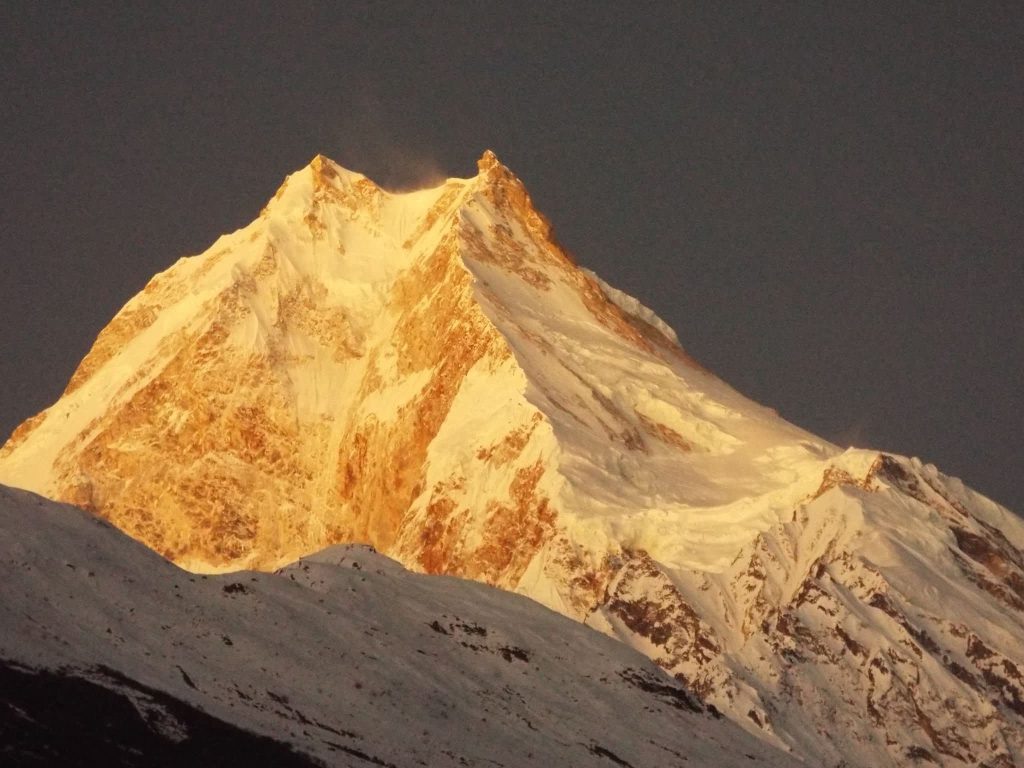
- Manaslu Circuit Trek: An incredible 14-day wilderness path that circles Mount Manaslu (the world’s 8th highest peak) and crosses the dramatic Larkya La Pass (5,106m).
- Upper Mustang Trek: A journey into the ancient, dry, cave-filled “Forbidden Kingdom” that resembles the high Tibetan plateau.
- The Hidden Gem — Nar Phu Valley & Tsum Valley Detours:
- Nar Phu Valley: A secret corridor of medieval stone villages hidden behind narrow canyons north of the Annapurna trail. It offers untouched Tibetan culture and breathtaking views from the Kang La Pass.
- Tsum Valley: Often called the “Valley of Happiness,” this sacred Buddhist sanctuary juts off from the Manaslu path. It is deeply spiritual, filled with ancient meditation caves, century-old monasteries, and a local culture that strictly forbids the harming of any living creatures.
- 👉 Discover the wild: [Check out the detailed Manaslu Circuit Trek Guide.]
Trip Preparation & Planning Your Journey
Getting ready for your adventure requires a close look at your physical, financial, and material planning. When considering physical preparation, you can read our guide on how to choose the best treks in Nepal based on your fitness level. We break down the trails into easy tiers, comparing easy cultural walks that require just basic fitness to tough, high-altitude pass crossings that demand strong leg endurance and daily cardio training. Next, to understand your budget clearly, we provide a transparent look at the real financial investment for a 14-day Himalayan trek. This includes everything in one clear package: your entry permits, ground and air transport, the daily wages for your local experts, clean tea house rooms, and a high-altitude emergency safety backup fund. Finally, you must pack correctly by following our essential packing lists for trekking in Nepal during the spring season. We explain the best ways to layer your clothes for changing weather, how to choose supportive, well-fitting hiking boots, why you need a warm four-season sleeping bag, and how to use eco-friendly water filters to stay healthy on the trails without leaving plastic waste behind.
The Value of Local Experts and Mountain Heroes
The Voice of Your Guide: Culture and Navigation
A licensed local guide is far more than just a person showing you the way on a map. They are your bridge to the heart of the Himalayas. As you walk through remote regions, your guide explains the ancient history of the monasteries, interprets local traditions, and introduces you directly to village elders. They also know the local mountain folklore—the traditional stories passed down through generations that bring the landscapes to life. Having a certified expert by your side means you can navigate hidden trails safely while truly immersing yourself in the local way of life.
Our Mountain Porters: Ethical Treatment and Dignity
Mountain porters are the true heroes of the trails, carrying your main luggage so you can walk comfortably with just a light daypack. We believe in treating our team with absolute respect and fairness. Following ethical standards set by international advocacy groups like the International Porter Protection Group (IPPG), our agency prioritizes porter welfare. We strictly enforce a maximum load limit of 15 kg per trekker (meaning a single porter never handles more than 25 to 30 kg total, shared between two clients). We guarantee our porters receive fair daily wages, hot meals, proper mountain footwear, warm technical clothing, and safe indoor sleeping accommodations at every tea house.
Advanced Safety Protocols and Emergency Networks
High-altitude trekking requires professional safety systems that can handle unpredictable mountain environments instantly. Our agency uses a detailed safety framework to manage every scenario behind the scenes:
- AMS Mitigation: Our certified guides track your health . They monitor your health to catch early symptoms of Acute Mountain Sickness (AMS), adjusting your pace and hydration immediately.
- Satellite Communications: When crossing remote high passes where mobile networks drop completely, our team carries advanced satellite communication devices to maintain a constant link with our primary office in Kathmandu.
- Helicopter Evacuation Logistics: If extreme weather hits or a medical emergency arises, our office coordinates directly with your travel insurance provider to launch an immediate helicopter rescue. We handle the paperwork and flight dispatch quickly, ensuring a safe evacuation back to a city hospital without any delays.
Conclusion
Trekking through the grand landscapes of the Himalayas is much more than just an ordinary holiday—it is a profound, life-changing experience that stays in your heart forever. When you stand face-to-face with the highest peaks on earth, the daily worries of the modern world simply fade away. To truly enjoy this magic, you need to feel completely relaxed, knowing that every complex logistical detail is being managed seamlessly behind the scenes. By leaving your official 2026 permits, transport details, and safety networks to a dedicated, expert team, you can save your energy for the trail, connect deeply with the local cultures, and focus entirely on creating unforgettable mountain memories.
Ready to Plan Your Adventure?
At Hike Nepal Trek, we are a specialized team of local experts devoted to designing transformative and completely authentic trekking experiences. We manage your entire journey with absolute transparency, zero hidden fees, and a strict commitment to mountain safety and porter ethics. Let us handle the hard paperwork while you prepare for the trip of a lifetime.
[ Plan Your 2026 Himalayan Journey With Our Team ]
👉 Connect With Us Right Now:
Click Here to Chat on WhatsApp (+977-9862791496)
🌐 Explore Our Custom Itineraries: hikenepaltrek.com