Are you planning to walk among the giants in 2026? Nepal is preparing for a huge travel year. With better trails, upgraded lodges, and new “hidden” routes, 2026 is the best time to visit. Here is our simple guide to the Top 5 Trekking Destination in Nepal 2026
Why 2026 is the Perfect Year for a Himalayan Adventure
In 2026, trekking in Nepal is more comfortable than ever. The government has improved safety on high passes, and many teahouses now offer better Wi-Fi and hot showers. Whether you want a hard challenge or a relaxing walk, the 2026 trekking season has something for everyone.
Table of Contents
The 5 Top-Rated Trekking Destinations for 2026
Everest Base Camp (EBC) Trek remains the ultimate “bucket-list” adventure. While the mountain stays the same, the experience is becoming smoother, safer, and more modern.
Here is a brief look at what is new and why you should go in 2026:
What’s New for 2026?
- Mandatory Guides for Safety: Starting in 2026, the Nepal government has made it a rule that you must have a licensed guide to trek to EBC. This makes the journey much safer and helps with any emergencies or health issues like altitude sickness.
- Upgraded Lodges: Teahouses (local guest houses) along the trail have been improved. You can now find better heating, more variety in food, and more reliable Wi-Fi even at high altitudes.
- The “Luxury Return” Trend: A major trend for 2026 is the Heli-Return. More people are trekking up to the base camp and then taking a helicopter back to Kathmandu. This saves 4–5 days of walking and offers a “once-in-a-lifetime” view from the sky.
- Digital Permits: The permit process is becoming more organized and digital, making it faster for you to get onto the trail without long waits.
Why It’s a Must-Visit in 2026
- Personal Achievement: Standing at 5,364m at the foot of the world’s highest peak is a powerful moment of success that you will remember forever.
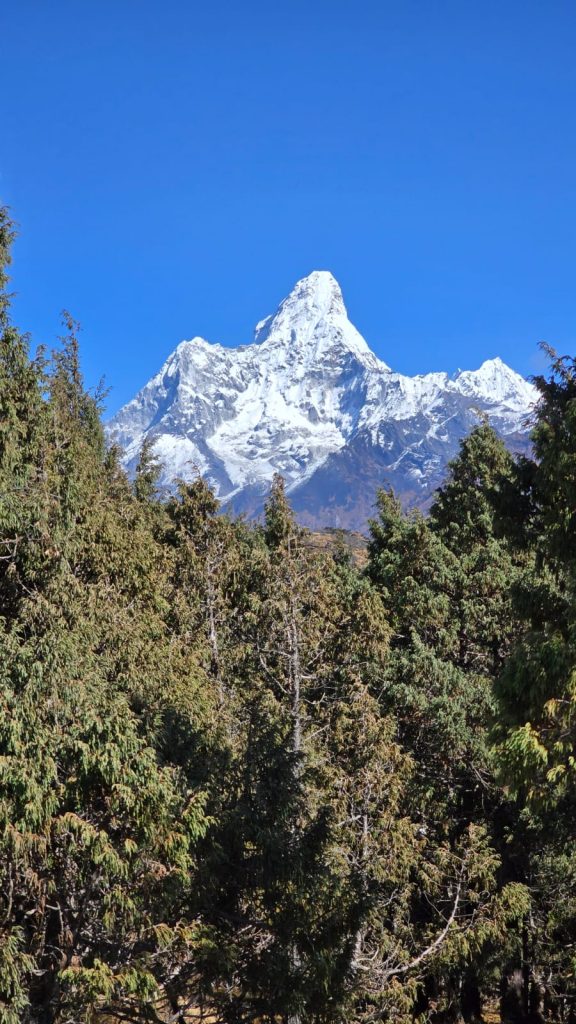
- Stunning Views: 2026 is expected to have stable weather seasons (Spring and Autumn). You will get crystal-clear views of peaks like Ama Dablam, Lhotse, and Nuptse.
- Sherpa Culture: You don’t just see mountains; you walk through the heart of Sherpa land. You’ll visit famous monasteries like Tengboche and experience the warm hospitality of the mountain people.
Wildlife and Nature: Walking through the Sagarmatha National Park (a UNESCO site) gives you the chance to see rare animals like the Himalayan Tahr and colorful birds like the Danphe.
2. Manaslu Circuit: The Rising Star of Quiet Trails
In 2026, the EBC trek is the perfect mix of a tough challenge and modern comfort. With the new mandatory guide rules, you can focus on the incredible views and Sherpa culture while staying safe. It remains the world’s most famous walk for a reason—it changes how you see yourself and the world.
For 2026, the Manaslu Circuit Trek has officially become the “Rising Star” of Nepal. It is the top choice for travelers who want a world-class mountain experience without the heavy crowds of Everest or Annapurna.
Here is why it is the “Quiet Star” for 2026:
What’s New for 2026?
- Unprecedented Surge: Data from 2025 shows that visitor numbers have doubled recently. Even with more people going, it remains peaceful because it is a “Restricted Area,” meaning the government limits the number of permits to keep it from becoming too crowded.
- Trail Upgrades: For the 2026 season, key sections of the trail (like those between Machha Khola and Samagaun) have been improved to be wider and safer, making the walking experience much more comfortable.
- Better “Green” Lodges: Teahouses in villages like Namrung and Lho are moving toward solar power and better waste management. In 2026, you can expect more reliable electricity for charging your cameras and cleaner environments.
- Digital Connectivity: More villages along the route now support better mobile networks, so you can stay in touch with home even in remote areas.
Why It’s a Must-Visit in 2026
- The “Real” Nepal: While other routes have become very commercial, Manaslu still feels “raw.” You’ll walk through ancient Tibetan-style villages where life hasn’t changed much in centuries.
- Larkya La Pass (5,106m): This is the highlight of the trek. Crossing this high pass in 2026 is a massive achievement, offering 360-degree views of mountains like Cheo Himal and Himlung Himal.
- Wildlife Encounters: Because the trail is quieter, you have a much better chance of seeing rare wildlife like the Blue Sheep, Himalayan Tahr, and—if you are very lucky—a Snow Leopard.
- Two Regions in One: The trek starts in the lush, green Gorkha region and ends in the Annapurna valley. You get to see everything from tropical forests to high-altitude glaciers in one trip.
In 2026, the Manaslu Circuit is the best balance of challenge and solitude. It offers the same “big mountain” feel as Everest but keeps its soul through restricted-area rules that prevent overcrowding. It is the perfect choice for the modern trekker who wants to “trek the legend” before it becomes too famous.
3. Annapurna Circuit: The Classic Landscape Game-Changer
In 2026, the Annapurna Circuit is being called the “Landscape Game-Changer.” It has earned this name because it offers more variety in one single trip than almost any other trail on the planet.
Here is why it is a must-visit in 2026:
What’s New for 2026?
- The “NATT” Trails: To avoid the new mountain roads, a series of “Natural Annapurna Trekking Trails” (NATT) have been fully marked and upgraded for 2026. These paths keep you deep in the forest and away from vehicles, preserving the classic trekking feel.
- Flexible Starting Points: Because of better road access to villages like Chame, travelers in 2026 can now choose to do a “Fast Circuit” (10 days) or the “Full Circuit” (18 days). This makes it a game-changer for people with busy schedules.
- Eco-Friendly Stays: Many lodges in the Manang and Mustang regions have switched to green energy (solar and wind). In 2026, you can enjoy a more sustainable trip that helps protect the mountain environment.
- Better Safety Tech: Most guides now carry digital oxygen monitors and use satellite communication apps, making the crossing of the high Thorong La Pass much safer for everyone.
Why It’s a Must-Visit in 2026
- The World’s Best “Highlight Reel”: You start in lush, green jungles with waterfalls and monkeys. A few days later, you are in a dry, orange-colored desert that looks like Tibet. It feels like visiting four different countries in one trek.
- Thorong La Pass (5,416m): Standing at the top of this pass is the ultimate high-altitude thrill. In 2026, it remains one of the highest trekking points in the world that you can reach without climbing gear.
- Two Cultures, One Trip: You will see the Hindu culture in the lower villages and the deep Tibetan Buddhist culture in the high mountains. Visiting the sacred Muktinath Temple (a holy site for both religions) is a spiritual highlight of 2026.
- Natural Hot Springs: After walking for over 100 miles, you can soak your tired muscles in the natural hot springs of Tatopani. It is the perfect reward at the end of a long journey.
The Annapurna Circuit in 2026 is the best choice for travelers who want to see “everything.” From tropical forests to high-mountain deserts, the landscape changes every day, keeping the journey exciting. With new trails that skip the roads, you get all the beauty of the old days with the comfort of modern 2026 lodges.
4. Mardi Himal: The Viral Short Trek Sensation
For 2026, Mardi Himal has earned the title of the “Viral Sensation.” It is the most talked-about trek on social media because it offers the biggest mountain views in the shortest amount of time.
Here is why it is trending and why you should go in 2026:
What’s New for 2026?
- Social Media Fame: Mardi Himal is now a viral sensation. Its famous “ridge walk”—where you walk along a narrow mountain spine with clouds below you—has made it the most photographed trail in Nepal for 2026.
- Better “Viewpoint” Lodges: To handle the growing popularity, many new teahouses have opened in spots like Badal Danda (which means “Cloud Hill”). In 2026, these lodges offer some of the best sunrise views from your bedroom window.
- Easy Access from Pokhara: In 2026, transportation from Pokhara to the trail starting points (like Kande or Phedi) is faster and more frequent, making it the perfect “last-minute” adventure.
- The “Heli-Return” Option: A new favorite for 2026 travelers is the Mardi Heli-Return. After reaching the Base Camp, you can catch a quick 15-minute flight back to Pokhara, turning a 6-day trek into a 4-day luxury trip.
Why It’s a Must-Visit in 2026
- Close-up with “Fishtail”: This trek brings you closer to the holy mountain Machhapuchhre (Fishtail) than almost any other trail. The mountain feels so close you could almost touch it.
- Short and Sweet: It only takes 5 to 7 days. If you are a busy traveler in 2026, this gives you a full Himalayan experience without needing two weeks of vacation.
- Walk Above the Clouds: The highlight is walking along the high ridges. You often look down and see the valleys covered in a sea of white clouds, while you stand in the bright sunshine.
- Affordable Adventure: Because it is shorter and close to the city, it is much cheaper than Everest or Manaslu. It is the best “budget-friendly” trek for 2026 that still feels like a grand expedition.
Mardi Himal is the perfect “fast adventure” for 2026, offering incredible ridge-top views in just a few days. It has become a viral hit because of its stunning photo spots and its proximity to the beautiful city of Pokhara. If you want the biggest views for the least amount of time and money, this is your 2026 winner.
5. Khopra Danda: The Newest Hidden Gem
In 2026, Khopra Danda (also called Khopra Ridge) is the best alternative for travelers who find popular spots like Poon Hill too crowded. It offers a “balcony view” of the giants that is even closer and more peaceful.
What’s New for 2026?
- The Rise of Community Lodges: In 2026, the “Community Trek” model is at its best. These lodges are run by local villages to fund schools and clinics.Staying here means your money goes directly back to the mountain people.
- The “Eco-Trail” Movement: This route is becoming a leader in sustainable trekking for 2026. You’ll see more solar power and “plastic-free” zones compared to the older, more commercial trails.
- New Cheese Factories: A fun trend for 2026 is visiting the community-run yak cheese factories in villages like Swanta. You can taste fresh Himalayan cheese right where it is made!
- Better Safety to Khayer Lake: The side path to the sacred Khayer Lake (4,660m) has been improved with better markings for 2026, making this challenging day-hike safer for average trekkers.
Why It’s a Must-Visit in 2026
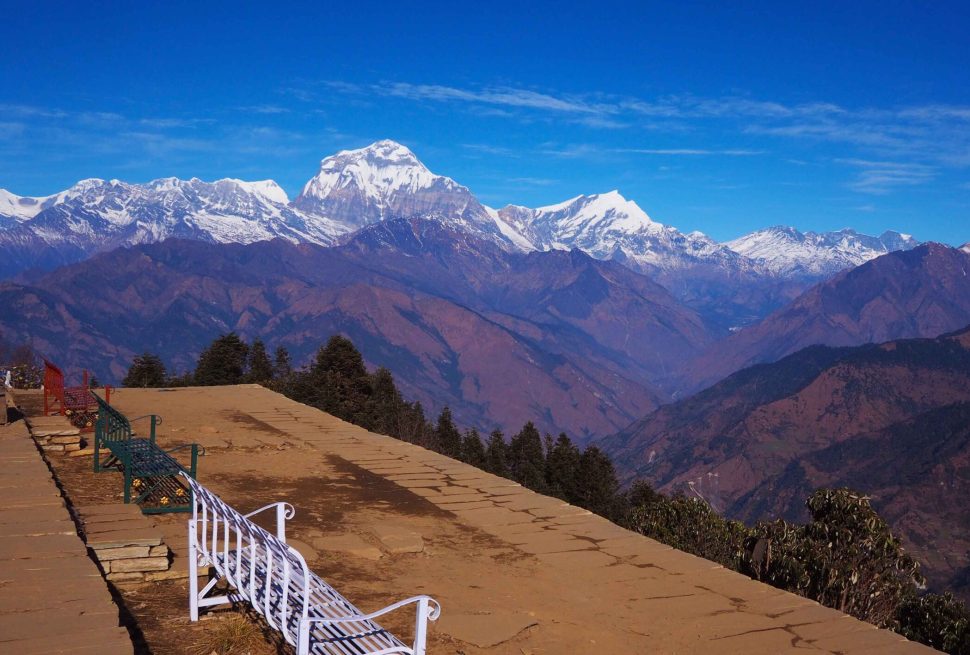
- The “Mountain Balcony” View: Unlike other treks where you look up at the mountains, from Khopra Ridge (3,660m), you feel like you are standing right in front of them.You get a massive 360-degree view of Dhaulagiri (the 7th highest) and Annapurna South.
- Zero Crowds: While hundreds of people stand on Poon Hill every morning, you might have Khopra Danda almost to yourself.8 It is perfect for 2026 travelers seeking silence and deep nature.
- Sacred Khayer Lake: This high-altitude lake is a holy site for both Hindus and Buddhists.Visiting it feels like a spiritual pilgrimage, and the reflection of the mountains in the water is a photographer’s dream.
- Wildlife Spotting: Because the area is quiet, 2026 hikers have a high chance of seeing the Danphe (Nepal’s colorful national bird) and the Himalayan Tahr (wild goat) grazing near the cliffs.
Khopra Danda is the ultimate “off-the-beaten-path” choice for 2026, offering big mountain views without the big crowds. It supports local communities through its unique lodge system and offers a rare chance to visit the sacred, high-altitude Khayer Lake.If you want a trek that feels fresh, authentic, and peaceful, this hidden gem is for you.
Planning a trek for 2026 requires a bit more than just packing your boots. With new safety rules and a push for more sustainable travel, here are the smartest tips to ensure your Himalayan adventure is a success.
1. Know the New 2026 Rules
- Mandatory Guides: Since late 2023, the Nepal Tourism Board has made it mandatory to hire a licensed guide for most trekking regions (including Everest, Annapurna, and Langtang). Solo trekking is largely restricted for foreign nationals to ensure safety and quick rescue.
- The “Green Fee”: A new environmental fee (around NPR 1,000) is being added to many conservation area permits in 2026. This money goes directly toward trail maintenance and waste management.
- Minimum Two-Person Rule: For restricted areas like Manaslu and Upper Mustang, you still need a minimum of two trekkers to get a permit. If you are traveling alone, you must join a group.
2. Pack for a “Digital” Himalaya
- QR Code Permits: Most checkpoints in 2026 now use digital scanners. While you should still carry paper copies, have photos of your permits and passport on your phone for faster check-ins.
- Power Up: While teahouses are improving, charging can be expensive at high altitudes. Bring a high-capacity power bank (20,000mAh) or a small portable solar charger to save money.
- Offline Maps: Download offline maps (like Maps.me or Gaia GPS) before you leave. Even with better Wi-Fi, mountain signals can be patchy in deep valleys.
3. Eco-Friendly is the Only Way
- No Single-Use Plastic: Many regions, especially Everest (Khumbu), have strict bans on plastic water bottles. Carry a reusable bottle and a reliable water purification method (like a LifeStraw, SteriPen, or purification tablets).
- Support Local: Choose lodges that use solar heating and serve locally grown food. In 2026, “Dal Bhat” remains the most sustainable (and energy-boosting) meal choice!
- Pack Out Your Trash: Even if you see a bin, try to carry your non-biodegradable waste (like batteries and plastic wrappers) back to the cities where waste management is better.
4. Health and Training
- The “3-Month” Rule: Start your fitness training at least 3 months before your 2026 trip. Focus on stair climbing and hiking with a weighted backpack (8–10kg) to prepare your legs and lungs.
- Insurance is Mandatory: In 2026, most permit offices require proof of travel insurance that specifically covers helicopter evacuation and high-altitude trekking (up to 6,000m).
- Slow is Fast: The biggest mistake in the mountains is rushing. Follow the “climb high, sleep low” rule and always take the recommended acclimatization days in villages like Namche Bazaar or Manang.
Summary Checklist for 2026
| Category | Requirement / Tip |
| Documents | Passport, 4x passport photos, digital & paper permits. |
| Staff | Licensed Guide (Mandatory) & Porter (Recommended). |
| Gear | Worn-in boots, moisture-wicking layers, -10°C sleeping bag. |
| Safety | Insurance with heli-rescue, personal first-aid kit. |
| Money | Enough local cash (NPR) for trail extras (hot showers, charging). |
Which 2026 Trek is Right for You?
Choose Everest Base Camp if you want to say, “I stood at the foot of the world’s highest mountain.” It is perfect for those who love history, iconic landmarks, and a lively atmosphere.
Choose Manaslu Circuit if you want to be a pioneer. It is for the traveler who wants the “Big Mountain” experience but prefers the sound of nature over the sound of other hikers.
Choose the Annapurna Circuit if you are a “visual explorer.” If you want to see jungles on Monday and a desert on Thursday, this landscape game-changer is for you.
Choose Mardi Himal if you are short on time but high on ambition. It is the best way to get a “viral” mountain view and be back in a comfortable Pokhara cafe within a week.
Choose Khopra Danda if you have a “hidden gem” soul. It is for those who want to support local communities and enjoy a sunset that feels like it was made just for them.
Click Below For Book Your Trip
For More Information; whataaps 9862791496